
Creating a stable environment for a wine collection isn’t as straightforward as it first appears.
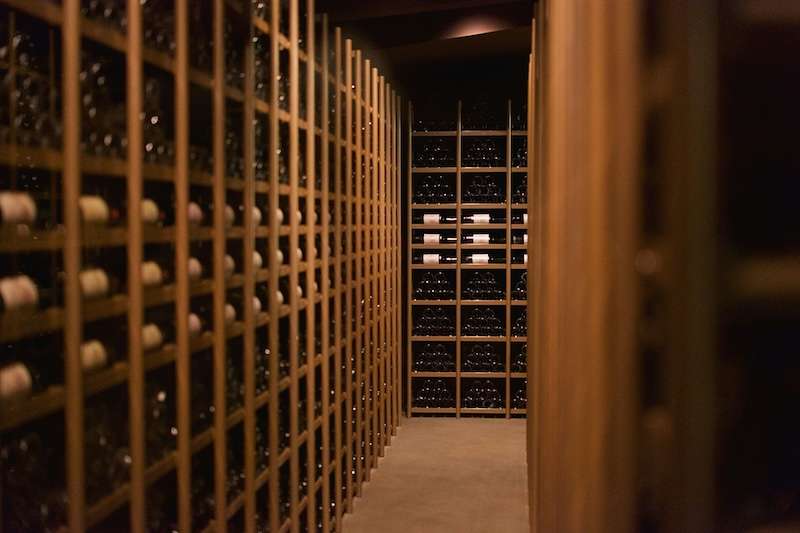 Photo by Liv Kao on Unsplash
Temperature usually gets the spotlight, but humidity plays a more decisive role in long-term preservation. Somewhere in the middle of planning, many collectors consider a wine cellar humidifier to keep conditions steady.
That choice makes sense, though the real difference often comes down to how well the system is installed. A poorly executed setup can undo the benefits entirely, leaving bottles exposed to damaging shifts.
The Real Challenges Of Moisture Control
Managing humidity inside a cellar involves more than introducing moisture into the air. It requires a clear grasp of how that moisture behaves once it is there. Walls, insulation, and even the type of shelving all respond differently, and those responses are not always predictable.
An experienced installer looks at the space as a whole rather than a collection of parts. Vapour barriers need to hold, insulation must perform under changing conditions, and airflow has to remain balanced. Get any of that wrong and issues creep in. Condensation forms where it shouldn’t, timber starts to swell, and wine labels lose their crisp edges.
Getting Climate Systems To Work In Sync
A humidifier does not operate alone. It sits alongside a cooling system, and the two need to cooperate rather than compete. Cooling units naturally draw moisture out of the air, which can push a humidifier to work harder than necessary.
When installation is handled properly, sensors are positioned with intent, not guesswork. Readings stay accurate across the room, not just in a convenient corner. The system responds to real conditions rather than distorted data.
Without that balance, equipment tends to cycle excessively. It runs longer, wears faster, and consumes more energy than it should. You might not notice it immediately, but the inefficiency shows up soon enough.
Avoiding Hidden Damage Through Proper Setup
There is a practical side to installation that often gets overlooked. Plumbing, drainage, and electrical connections. None of it is particularly glamorous, but every detail matters.
Water needs somewhere to go, and it needs to get there without pooling or backing up. Lines should be angled correctly, filters properly fitted, and connections sealed without shortcuts. Miss one step and small leaks become ongoing issues.
These are not always visible straight away. A slow drip behind a wall or beneath flooring can sit unnoticed for weeks. By the time it surfaces, repairs tend to be more involved than anyone expects.
Preserving Wine Quality Through Stable Conditions
Wine reacts to its environment in so many ways. Corks expand and contract with humidity levels, and even minor fluctuations can affect the seal. Once air begins to enter a bottle, the process is difficult to reverse.
Consistency matters more than perfection. A slightly imperfect but stable environment will always outperform one that swings between extremes. That stability is what a professional installation aims to deliver.
It is not just about placing a unit and turning it on. The entire space is assessed. Air movement, insulation integrity, and how the room holds moisture all come into play. The goal is to create conditions that stay steady without constant adjustment.
Final Thoughts
There is always a temptation to treat installation as a manageable project. On paper, it can look straightforward enough. In practice, small missteps tend to compound.
A specialist brings a level of precision that is difficult to replicate without experience. Measurements are accurate, components are matched to the space, and systems are tuned to work together rather than against each other.
That attention to detail shows over time. Equipment lasts longer, and maintenance becomes predictable instead of reactive. Most importantly, the collection remains protected without ongoing guesswork.
A wine cellar represents more than storage. It holds time, patience, and often a fair bit of money. Getting the environment right is part of respecting that investment, and doing it properly from the start tends to be the wiser path.
