
Your SUV’s tires are the only things touching the road.
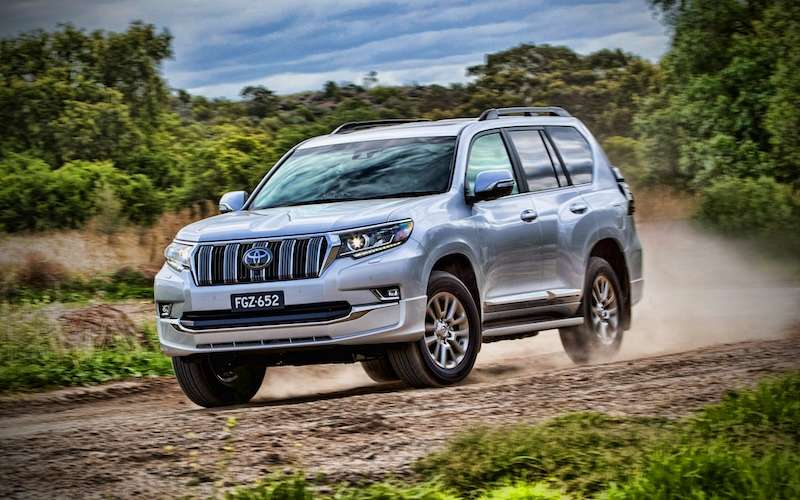 Photo by HAMZA YOUNAS on Unsplash
Everything from how well it stops and handles turns, how smoothly it rides, and how much weight it can carry all comes down to the tire’s tread, sides, and what’s inside. When your tires are in excellent shape, you’ll notice less of a drop in performance, get better gas mileage, and stay safer. This article explains how appropriate tire choice and care provide better rides despite the fact that vehicles have heavy loads and tow often.
Fitment and Balance
Ride quality is based on proper fitment and dynamic balance. The right choice of the diameter and width of the contact patch makes the contact patch optimal and does not allow any rubbing or steering interference. Balanced assemblies reduce vibration, which leads to driver fatigue and weariness. The first thing to remember when it comes to replacements is tires that are designed to work on SUVs and professional mounting with precise static and dynamic balancing to ensure safe stability on highways and under load.
Choosing the Right Size
Tire profile influences the sidewall flex and footprint shape, which are important parameters in comfort and stability. Tires with a lower profile enhance steering but pass more road noise into the cabin, whereas taller sidewalls are a compromise between comfort and handling in the majority of SUVs. They have adequate sidewall cushions and a wide contact patch to provide predictable traction and load support.
Tread Design Considerations
Tread design contributes significantly to wet braking, hydroplaning resistance, and noise. Highway-oriented designs incorporate continuous center ribs and designed voids to remove water without creating a lot of cabin noise. All-terrain designs provide bite in light off-road applications but can cause more noise on the road. Select tread patterns that conform to the most common application; long highway usage should be with low-noise touring designs and mixed roads with hybrid all-terrain designs.
Sidewall Construction
Sidewall engineering is a deformation compliance and resistance balancing process. Multiply carcasses and tough belts stop the tires from puffing out when they’re under pressure, which keeps the contact points even and makes steering more precise. At the same time, specially designed flexible areas soak up little bumps and reduce the jolt you feel. If you’re driving an SUV to tow or haul heavy stuff, you’ll want to pick tires with sidewalls that are built strong. It eliminates the premature wear and predictable handling during some incidents, like emergency braking.
Load Rating and Safety
The load index should not be less than the vehicle placard values to retain braking distances and steering stability at high loads. Underrated tires are likely to overheat easily and break down during towing and hauling. The (FMCSA) Federal Motor Carrier Safety Administration says that the correct load rating and tire maintenance are essential to the safety of the vehicle. Select tires that have more conservative, higher load ratings when you are regularly carrying loads or using roof loads. When the tires are carrying a load, check how much pressure they have. The right amount of air pressure makes sure the tire’s contact patch looks as it should and prevents excessive heat buildup, which can make the tire tread wear out faster.
Speed Rating and Behavior
The speed rating tells you about how hard the tire’s rubber is, how well it handles heat, and the maximum speed it’s designed for. Tires with higher ratings are made of firmer compounds to be more responsive in lateral operation, but this may make them a bit less comfortable in everyday driving. Consider the balance between expected highway speeds, desired ride comfort, and responsive handling. A mid-to-high speed rating provides a viable trade-off between performance and ride comfort to most owners of SUVs who are concerned with stability on high-speed roads.
Noise and Comfort
Interior noise levels are important to perceived comfort on long drives. The tire noise can be minimized by manufacturers using variable pitch tread blocks, acoustic liners, and optimum siping patterns. Low-noise touring tires become extremely comfortable on long-distance trips and decrease the fatigue of drivers. In consideration, examine subjective cabin noise measurements and conduct objective decibel tests to choose a tire that maintains calmness and balance on highways.
Installation and Alignment
Getting your tires installed only by a professional, making sure the lug nuts are tightened correctly, and having the wheels aligned are all super important for your tires. If your alignment is off, you’ll end up with uneven tire wear, and your car might pull to one side, which isn’t good for comfort or safety. After everything’s installed, make sure to check that there’s no shaking and that the wheels are balanced properly, and take it for a spin to be sure. Periodically recheck alignment; suspension wear or impacts change toe and camber, leaving irregular wear patterns and reduced handling when the vehicle is loaded.
Maintenance Habits
Routine care enhances the quality of a tire. Keep pressure within recommended ranges, rotate tires based on recommended rotation, check tires at recommended times, and look at cuts, bulges, and irregular wear. The adjustments of the pressures to heavy loads maintain the desired footprint and avoid too much heat. Record the maintenance and wear patterns to identify suspension or alignment problems at an early stage. Adequate maintenance increases the life span, ride quality, and safety margin during load.
Balanced SUV tires play a major role in the smoothness, durability, and safety during passenger or cargo transportation. When picking out tires, go for sizes and sidewall designs that match what you haul and how you like to drive. Make sure the tread patterns are right for the roads you usually travel, and always insist on having them put on by a professional. Keeping up with regular upkeep is key to making sure your tires always grip the road well and handle the way you expect them to. Having intelligent decisions and careful attention, 265/60R18 tires provide confident and comfortable travel over diverse road situations.
