
Deciding where to travel solo depends on more than picking a popular destination. The best solo trip is the one that fits your comfort level, budget, travel style, and reason for going.
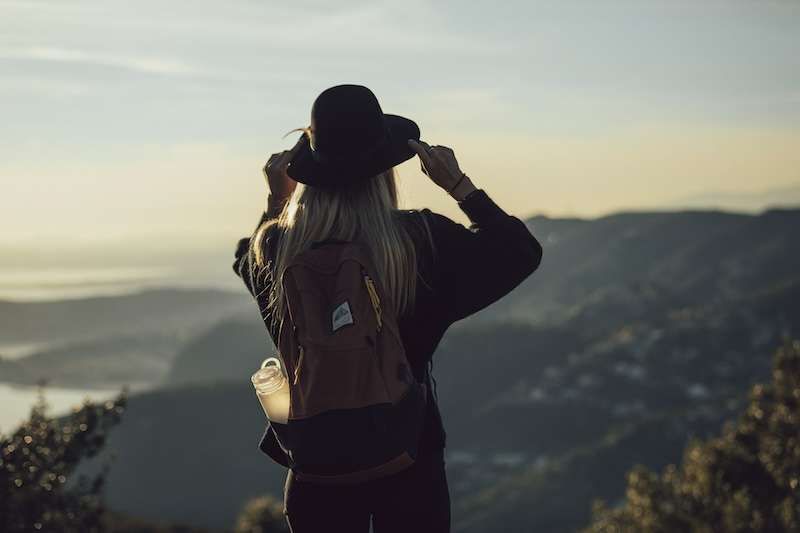 Photo by Bluewater Sweden on Unsplash
Some travelers want a quiet beach town where they can read, rest, and enjoy slow mornings. Others want museums, food tours, hiking trails, national parks, city energy, wellness retreats, or a longer stay in a new place. Solo travel can be peaceful, adventurous, social, or practical depending on how you plan it.
The key is choosing a destination that feels exciting but still manageable. Here is how to think through where to travel solo and how to choose a place that fits the kind of trip you actually want.
Start by Choosing the Type of Solo Trip You Want
Before choosing a destination, decide what kind of solo trip you are planning.
A first-time solo trip should usually be simple. Walkable cities, domestic destinations, familiar language, easy transportation, and reliable lodging can make the experience feel less stressful.
A relaxing solo getaway is different. For that kind of trip, you may want a beach town, lake house, wellness retreat, quiet cabin, or scenic rental where the goal is rest, not a packed itinerary.
An adventure solo trip may include hiking, kayaking, national parks, road trips, or mountain towns. These trips can be rewarding, but they require more planning around safety, weather, permits, transportation, and emergency backup.
A social solo trip is best for travelers who want independence but still want to meet people. Cities, festivals, group tours, hostels, cooking classes, walking tours, and retreats can make it easier to connect naturally.
Best Places to Travel Solo for Beginners
Beginner-friendly solo destinations should be easy to navigate. Look for places with good lodging options, restaurants nearby, safe-feeling neighborhoods, clear transportation, and plenty of things to do during the day.
Walkable U.S. cities are often a good starting point. They offer museums, parks, restaurants, shopping, events, and public transportation without requiring complicated planning. Choose a neighborhood close to the activities you care about most so you are not spending the whole trip figuring out logistics.
Beach towns can also work well for first-time solo travelers. A simple beach trip gives you built-in activities: walking, reading, swimming, eating outside, and exploring local shops. The best beach destinations for solo travelers have walkable areas, nearby cafes, safe evening options, and lodging close to the water or town center.
Small cities and college towns are another strong option. They often feel easier to navigate than major metro areas while still offering cafes, bookstores, parks, music, restaurants, and local events. They can be a good middle ground between quiet and active.
Best Places to Travel Solo for Nature and Outdoor Trips
Nature trips can be some of the most meaningful solo travel experiences, but they require more preparation.
National parks are great for hiking, scenic drives, photography, wildlife, and quiet time. Before going, check park alerts, trail conditions, permit requirements, shuttle availability, weather, and cell service. When hiking alone, stay on marked trails and tell someone your plan.
Mountain towns are a good option for travelers who want outdoor access without being fully isolated. They often offer hiking, lakes, cabins, scenic drives, restaurants, shops, and local events. This makes them a strong fit for solo travelers who want nature during the day and convenience in the evening.
Lake destinations are ideal for slower outdoor trips. Paddleboarding, kayaking, swimming, fishing, and peaceful views can make a solo trip feel restorative. Choose lodging near town or near basic services so you are not too isolated.
Best Places to Travel Solo for Culture and City Experiences
Cities are excellent for solo travel because they offer built-in structure. You can visit museums, markets, historic districts, restaurants, galleries, concerts, and parks without needing a travel partner.
Food-focused cities are especially good for solo travelers. Food halls, cafes, casual restaurants, farmers markets, and cooking classes make it easier to enjoy meals alone. Staying near walkable dining options can make the trip feel smoother.
Arts, museums, and history destinations also work well because they let you move at your own pace. You can spend two hours in one museum, skip what does not interest you, or change your plans without coordinating with anyone.
Event-based trips can make solo travel feel more social. Music festivals, art fairs, food festivals, conferences, and cultural events give you a reason to be there and make it easier to meet other people. Just book lodging early and plan transportation before you arrive.
Best Places to Travel Solo for Rest and Wellness
Solo travel is not always about seeing everything. Sometimes the best solo trip is the one that gives you room to reset.
Wellness retreats are useful for travelers who want structure. Yoga, hiking, meditation, spa, creative, or fitness retreats often include meals, activities, and group programming. That can make solo travel easier because you do not have to plan every detail yourself.
Quiet coastal escapes are ideal for beach walks, journaling, reading, slow mornings, and simple meals. Choose a destination with safe lodging, nearby food, and easy transportation.
Rural or slow-travel destinations can also be peaceful, but they should be chosen carefully. Cabins, cottages, farm stays, and small towns can be beautiful, but solo travelers should confirm grocery access, transportation, cell service, and distance from help if needed.
How to Choose Solo Travel Lodging
Lodging matters more when you travel alone because it affects comfort, safety, convenience, and confidence.
Location should usually matter more than the cheapest price. A cheaper stay far from restaurants, activities, or transportation may create more stress and cost more in rideshares or rental cars. A well-located place can make the whole trip easier.
Look for practical amenities. Wi-Fi, kitchen access, laundry, parking, secure entry, good lighting, and nearby groceries can matter a lot, especially for longer stays. Solo travelers comparing rental styles, locations, and longer-stay options can browse KT Rents to see how different property types may fit their travel plans.
Always read reviews carefully. Look for comments about safety, cleanliness, noise, host communication, walkability, check-in, and surrounding neighborhoods. Reviews often reveal what photos do not.
Best Solo Travel Ideas by Budget
A good solo trip does not need to be expensive. It needs to be realistic.
Budget-friendly solo trips may include drive-to destinations, smaller cities, state parks, hostels, guesthouses, off-peak dates, or simple beach and lake towns. Free activities like walking tours, museums, parks, beaches, markets, and scenic drives can keep costs manageable.
Mid-range solo trips are good for travelers who want comfort without luxury pricing. A boutique hotel, private rental, city break, domestic flight, or national park trip can offer a strong balance of comfort and cost.
Splurge solo trips can be worth it for milestone birthdays, sabbaticals, wellness retreats, international travel, or once-in-a-lifetime experiences. If you spend more, spend it on location, safety, convenience, and meaningful activities rather than things that do not improve the trip.
Solo Travel Safety Tips Before You Book
Solo travel does not need to be fear-based, but it should be thoughtful.
Research the neighborhood before booking. Look at walkability, transportation, nearby restaurants, reviews, and evening safety. Try to stay near the places you plan to visit most.
Share your itinerary with someone you trust. Send your lodging details, flight information, and general plans. Check in occasionally during the trip.
Plan to arrive during the day when possible. Daytime arrival makes it easier to find your lodging, understand the area, and solve problems if anything goes wrong.
Keep backup options ready. Save offline maps, emergency contacts, transportation apps, local addresses, and backup payment methods. A little preparation can make solo travel feel much calmer.
How to Meet People While Traveling Solo
Solo travel does not mean you have to be alone the whole time.
Walking tours and day tours are easy ways to meet people without pressure. They work well in cities, historic areas, food districts, and outdoor destinations.
Classes and workshops are also helpful. Cooking classes, art workshops, fitness classes, language exchanges, and local experiences create natural conversation.
You can also choose lodging with shared spaces if that fits your comfort level. Guesthouses, hostels, boutique hotels, and rentals near community areas can make it easier to connect while still giving you privacy when you want it.
Planning a Longer Solo Stay
Longer solo trips require more practical planning than a weekend getaway.
Choose a destination that supports daily life. Look for grocery stores, reliable transportation, healthcare access, Wi-Fi, laundry, safe neighborhoods, and places where you can build a routine.
Travelers planning an extended solo stay can use KT Rents to compare rental markets, property types, and housing options across different locations.
For longer stays, rhythm matters. Build in time for work, exercise, meals, exploring, rest, and social activities. A routine can make a new place feel comfortable faster.
Common Solo Travel Mistakes to Avoid
One common mistake is choosing a destination that is too complicated for your first solo trip. Start with a place that feels manageable, then build confidence from there.
Another mistake is booking lodging based only on price. A cheap stay in the wrong location can create stress, transportation issues, or safety concerns.
Overpacking the itinerary can also make a solo trip feel rushed. Leave space for rest, spontaneous plans, and slower days.
Do not ignore transportation. Know how you will get from the airport, train station, or bus stop to your lodging before you arrive.
Finally, plan for meals. Research cafes, casual restaurants, grocery stores, food halls, and markets. Solo dining feels easier when you already know your options.
Final Thoughts: The Best Solo Destination Is the One That Fits You
Deciding where to travel solo depends on your comfort level, budget, travel style, safety needs, lodging preferences, and trip goals.
The best destination is not always the most famous one. It is the place that gives you the experience you want while still feeling realistic and manageable.
Choose the experience first. Then match the destination, lodging, transportation, budget, and itinerary around that goal. When those pieces fit together, solo travel can be one of the most rewarding ways to explore.
