
Walk along the Sliema seafront on a weekday morning and you will notice something before you notice the sea: the cafés are full of laptops.
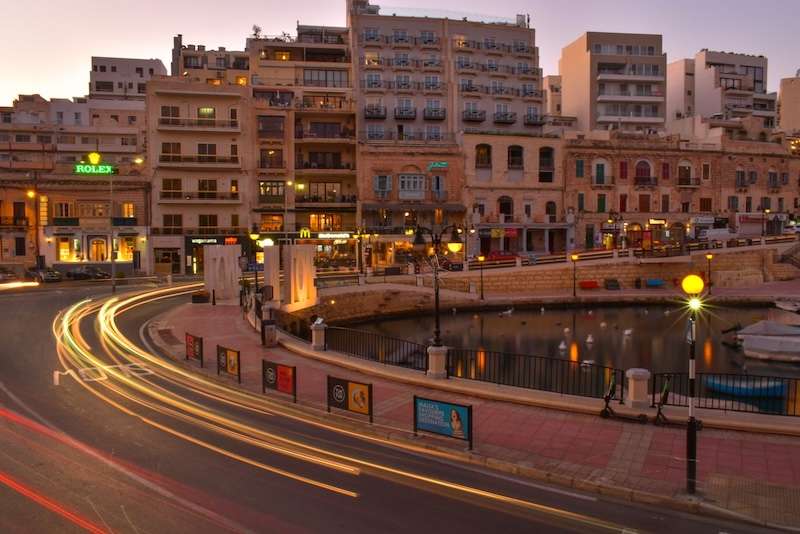 PHOTO Pexels
Order a flat white in St Julian’s or Gżira and the table beside you is probably a product manager on a video call or a support agent between shifts. Malta’s best-known bases for visitors are also where a large part of the island’s working population lives, and that shapes what each one is like to stay in.
Most visitors assume tourism is the whole story. It is a big part of it, but one industry has changed the island’s office blocks and its rental market, and it is not the one printed on the postcards. It is online gaming.
Malta online casinos must hold a licence from the Malta Gaming Authority (MGA) and verify the identity of their players, according to Online-Casinos.com, and the same page notes that the legal age for online play is 18. Running a regime like that takes people, and many operators, suppliers and compliance teams are based on the island.
Why the same three places keep coming up
The numbers explain why. The MGA’s 2025 annual report, as covered by the industry press, counts 302 licensed companies holding 311 licences, down from 315 companies a year earlier. Even so, about 15,039 people worked for MGA-licensed operators in Malta at the end of 2025, up 4.8 per cent on 2024, and the wider ecosystem supports roughly 19,150 jobs, around 6.5 per cent of the workforce. The sector generated an estimated €1.42 billion in gross value added, close to 6.3 per cent of the island’s output.
For a country this small, that is a lot of people looking for a flat near the office, and most of them start in the same three places. As a visitor, it means you will be sharing your first-choice neighbourhoods with them, so it pays to know what each one offers.
Sliema and St Julian’s: the seafront, the shops and the nights out
Sliema is the island’s main shopping and dining area, with a long promenade that works as the town’s living room. St Julian’s, a short walk along the coast, is the nightlife hub, so expect more noise after dark the closer you stay to its bars. If you want both without a taxi, a base between the two is the safest bet.
Prices reflect the demand. Relocation guides put a one-bedroom flat in Sliema or St Julian’s at roughly €1,200 to €1,500 a month. These are agency estimates rather than official statistics, so treat them as a starting point for a longer stay, and expect nightly rates to follow the same pattern.
If the Sliema and St Julian’s strip feels too much like one long evening out, the rest of the island is close. Our guide to the best towns and villages in Malta covers the quieter places beyond it.
Gżira and Msida: a little quieter, a little cheaper
Gżira and Msida sit just behind the two big names. They are calmer in the evenings, they still put you within reach of the same promenade, and the same relocation guides quote roughly €800 to €1,100 a month for a one-bedroom in central areas like these. For a week or two, that gap is the budget for a few extra dinners.
Getting around once you land
Malta has a single airport, so every new hire and every weekend visitor comes through the same terminal. From there, taxis are metered, and the eCAB app works much like a ride-hailing service for the island’s intricate road network. The island is small enough to cross in a day, but allow extra time at rush hour, when traffic can add around half an hour to a journey.
Daily life runs mostly in English. English and Maltese are both official languages, so hotels, offices and shops work in English as a matter of course, and the weather stays mild for most of the year, so walking is a realistic plan.
What to sort out before you land
A few practical details are worth settling early. EU citizens do not need a visa. Visitors from the United States, Canada and Australia can stay up to 90 days without one for tourism or business, though rules change, so check the current entry requirements before you book. The euro is the currency, and tipping 5 to 10 per cent is customary unless a service charge is already on the bill.
Anyone staying for a few weeks rather than a few years should still leave time to be a tourist. Our list of the 13 quintessential must-dos in Malta fills a first weekend well.
If you are renting for longer than a holiday, ask about the contract length before you ask about the view, and check what the deposit covers before you sign. One or two months’ rent is usual, so in Gżira or Msida that is €800 to €2,200 handed over before you have unpacked.
