
When life is busy, it becomes usual to shift and treat our needs and care as unimportant.
 Photo by Dingzeyu Li on Unsplash
However, the results of such behavior can be dire as they may manifest in the physical and mental state of the individual suffering and, thus, make one susceptible to a number of evils such as stress, burnout, fatigue, anxiety and depression.
Care of the mind may seem like a lot of work, but in reality, it is not necessary to spend all your time on it. At Mindful Care, we think that if you set aside some time each day for the little things, they can truly change your life and ensure that you are at your best in all possible aspects.
Read on to learn more about what mindful self-care is and why it’s important, and learn how you can easily implement it into your routine.
What is Mindful Self-Care, and Why Does it Matter?
Mindful self-care is a practice of focusing on your own needs, feelings and emotions intentionally and without criticism and complementing that wish self-care practices that address your physical, emotional, mental, spiritual and social needs to promote personal health and well-being.
Studies have shown that exercise can bring a lot of good effects, like increasing energy levels, improving self-esteem, and making a person feel more valuable. Along with that, it will result in more positive thinking and lower anxiety and depression. It also enhances sleep, calms the mind and may alleviate chronic pain.
Mindful Morning Routine: Setting a Positive Tone for the Day
You don’t need to be a morning person to benefit from a mindful morning routine; it is one of the best self-care techniques to start your day on a positive note that lasts all day and is great for your physical and mental well-being.
According to experts, the best meditation for mental health involves practices promoting mindfulness and relaxation. Studies show that daily meditation can improve mood, attention, and memory and reduce anxiety, making it a valuable practice to incorporate into your mornings.
A 2023 Stanford Medicine study revealed that even as little as five minutes of a simple breathing technique called “cyclic sighing” can significantly improve mood and lower anxiety.
Mindful Eating: Nourishing Both Body and Mind
Mindful eating means focusing only on the experience of eating and engaging all of your senses without judgment or criticism.
Basic principles of mindful eating:
- Eat slowly and pay attention to hunger cues and when you feel full.
- Notice any emotions or situations that trigger the urge to eat without judgment.
- Observe your food using all your senses.
Mindful Listening and Communication
Mindful listening means being fully present with the speaker, focusing on their words, emotions, and needs. Instead of planning your response, concentrate on what they’re saying and do the following:
- Listening without distraction (put away cell phones).
- Pause before responding
- Asking open-ended questions
Mindfully listening leads to more meaningful conversations and healthier relationships. This approach can strengthen your connections, reduce misunderstandings, and create an environment that makes others feel valued.
Mindful Breaks: Pausing for Mental Clarity
On busy days, it may be tempting to push through without taking breaks to get more done, but in the long run, this can harm your productivity and ability to handle stress and lead to physical and mental symptoms like burnout.
Regular breaks help your mind recharge. Research shows that even short “micro-breaks” of 10 minutes or less can significantly improve energy, performance, focus, creativity, and job satisfaction.
Mindfulness in Hobbies: Engaging in Creative Outlets
Making time to engage in hobbies you enjoy and find meaningful is an easy and fun way to improve your mental health.
Creative outlets are important for social connections, and this helps combat loneliness and anxiety. Dedicating time to spend with the activities you enjoy reduces stress, can promote relaxation and happiness, and can improve your mental health and well-being.
Mindful Sleep Preparation: Winding Down with Intention
Sleep meditation is a method of relaxation that helps in preparing your body and mind for rest, especially if you struggle with anxiety or insomnia. Meditations include tools like breathing exercises, visualization, body scanning, and progressive muscle relaxation. This practice can improve sleep quality by reducing stress, improving relaxation, and helping with anxiety or sleep issues.
Mindful nighttime routines help promote emotional balance, support brain health, and may help to prevent certain neurodegenerative conditions like dementia. When you sleep well, your brain can clear toxins, keeping it healthy and functioning at its best.
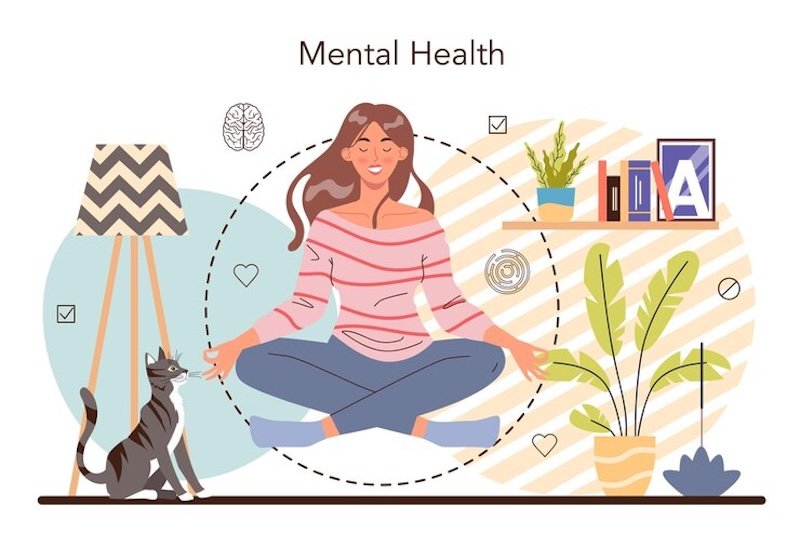 Freepik
Incorporating self-care techniques into your daily routine—like practicing mindful morning routines, mindful eating, and effective listening—can significantly improve your daily mental well-being. These simple practices not only help you manage stress but also foster healthier relationships.
