
A backyard wedding can feel personal, meaningful, and warm in a way that traditional venues sometimes cannot.
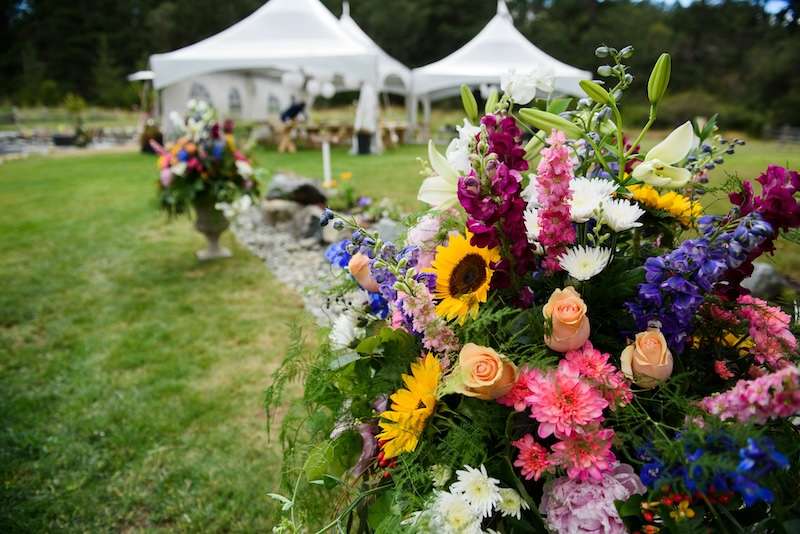 Photo by Christina Victoria Craft on Unsplash
The setting already has a story. It may be the home where the couple spends time with family, where childhood memories were made, or where close friends gather on weekends.
But learning how to plan a backyard wedding means thinking beyond flowers, chairs, and a ceremony arch. A backyard may feel familiar, but for one day it needs to function like a wedding venue. That means planning for guests, vendors, rentals, parking, bathrooms, lighting, power, privacy, weather, and cleanup.
The most successful backyard weddings feel effortless to guests because the logistics were handled carefully behind the scenes. Here is how to plan one in a way that feels beautiful, organized, and comfortable.
Start With the Guest Count and Wedding Style
Guest count affects nearly every decision. Before choosing rentals or decor, decide how many people the backyard can realistically hold. A yard that feels large on a normal day can feel tight once you add ceremony seating, dining tables, a dance floor, catering space, a bar, restrooms, walkways, and vendor equipment.
Start by deciding whether the wedding will be casual, formal, garden-style, cocktail-style, or a full seated reception. A small backyard dinner may only need a few tables, string lights, and simple catering. A larger wedding may need tents, portable restrooms, generators, flooring, a full rental setup, and a more detailed timeline.
The atmosphere matters too. A brunch wedding has different needs than an evening reception. A romantic garden ceremony may focus on florals and natural light, while a formal tented dinner may require more structure, lighting, and vendor coordination.
Map Out the Backyard Wedding Layout
The layout is one of the most important parts of planning a backyard wedding. You need to decide where guests will enter, where the ceremony will happen, where food will be served, where people will sit, where vendors will work, and where guests will go after the ceremony.
For the ceremony area, choose a natural focal point. This could be a garden, large tree, patio, deck, arch, fence line, or the home itself. Think about sun direction, guest visibility, aisle width, and photo angles. A beautiful backdrop can look completely different depending on the time of day.
For the reception, decide whether guests will sit at round tables, banquet tables, cocktail tables, or lounge areas. Leave enough room for people to move comfortably. Servers, catering staff, photographers, and family members will all need space to walk through the event without squeezing between chairs.
If dancing is part of the plan, choose a level surface. Grass can work for some events, but it may not be ideal for heels, older guests, or a long dance floor setup. Depending on the event size, a rented floor may be worth considering.
Check Permits, Noise Rules, and Neighborhood Restrictions
Even though the wedding is happening at a private home, local rules may still apply. Before booking vendors, check city, county, and HOA requirements. Some areas have rules for tents, street parking, noise, alcohol, fire safety, outdoor music, or event size.
Noise is one of the biggest concerns with backyard weddings. Know when music needs to end and how loud it can be. Speaker placement can also make a difference. Aim the sound toward the gathering area, not directly toward neighboring homes.
It is also wise to talk to neighbors early. Let them know the event date, general timing, parking plan, and when music will end. A friendly conversation can prevent complaints and reduce stress on the wedding day.
Prepare the Yard Before the Wedding
The backyard should be prepared well before wedding week. This includes lawn care, trimming, pruning, cleaning, repairs, pest control, and checking for uneven ground.
Guests may be wearing heels, dress shoes, or formal clothing. Fill holes, remove tripping hazards, clean walkways, and create clear paths between the ceremony, reception, bathrooms, and exits. If there are steps, slopes, or uneven areas, make them as safe and visible as possible.
Landscaping should also happen early. Fresh mulch, trimmed hedges, mowed grass, and cleaned garden beds can make the yard feel polished. Avoid major landscaping too close to the wedding date because it can leave mud, debris, stressed plants, or unfinished areas.
Privacy also matters. Fences, gates, hedges, and screens can help the backyard feel more intimate and contained. If the yard needs better privacy, safer boundaries, or updated gates before hosting, working with a fencing resource like Fantastic Fence can help homeowners plan practical fence improvements that support the event layout and long-term use of the property.
Make the Home Exterior Photo-Ready
At a backyard wedding, the home often becomes part of the backdrop. Even if the ceremony is outside, the house, doors, siding, trim, deck, railings, fence, patio, and walkways may appear in photos.
Walk the property and look at it through a camera lens. What will guests see when they enter? What will show behind the ceremony? Where will family photos be taken? Are there peeling surfaces, faded doors, worn trim, damaged railings, or areas that need cleaning?
For homeowners who want the exterior, trim, doors, fence, or outdoor surfaces to look cleaner before the wedding, a painting company like Cover Pro Painting can help refresh visible areas that may appear in photos and guest-facing spaces.
Repairs should happen before decorating. Florals and lights look better when the property itself feels clean, maintained, and ready.
Plan Rentals, Seating, and Guest Comfort
A backyard wedding usually requires more rentals than people expect. Tables, chairs, linens, tents, lighting, heaters, fans, restrooms, trash bins, serving stations, bar equipment, and dance flooring may all be needed.
Make sure there is enough seating. Guests may be comfortable standing for a short cocktail hour, but they should not be expected to stand through long portions of the event. If you are having a ceremony and dinner, decide whether chairs will be moved or whether you need separate seating areas.
Restrooms are another major consideration. A standard home bathroom may not be enough for a larger guest count. Portable restroom trailers can be a better option for comfort, convenience, and protecting the home from heavy traffic.
Temperature also matters. Depending on the season, you may need shade, fans, heaters, blankets, umbrellas, or tenting. Guest comfort is just as important as decor.
Build a Weather Backup Plan
Every backyard wedding needs a backup plan. Even during good-weather seasons, rain, wind, heat, smoke, mud, or unexpected temperature drops can affect the event.
A tent can protect guests, food, music equipment, rentals, and decor. If you plan to use one, confirm the size, setup location, anchoring requirements, delivery access, and installation timeline. Some tents may require permits depending on location and size.
You should also decide whether any part of the home, garage, covered patio, or rented structure can serve as an emergency backup. Be realistic about capacity. A living room that works for 20 people may not work for 100.
Plan Power, Lighting, and Sound
A normal backyard outlet may not support a full wedding setup. Catering equipment, music, lighting, restroom trailers, fans, heaters, and vendor tools may require more power than expected.
Ask each vendor what they need. Then create a power plan that avoids overloaded outlets, unsafe extension cords, and tripping hazards. If a generator is needed, place it where it will not disrupt the ceremony or reception with noise.
Lighting should serve both atmosphere and safety. String lights, lanterns, path lights, uplighting, and entry lights can make the space feel warm while helping guests move safely after dark. Make sure pathways, stairs, restrooms, exits, and parking areas are visible.
Sound should also be managed carefully. Ceremony audio, speeches, and music all need to be heard by guests without overwhelming the neighborhood.
Organize Food, Drinks, and Vendor Access
Vendors need space to work. Catering staff may need prep tables, refrigeration, water access, trash bins, and a clear route from vehicles to the serving area. Florists, rental teams, musicians, photographers, and coordinators also need room to unload and set up.
Plan vendor access before the wedding day. Decide where trucks can park, where rentals will be dropped, where food will be staged, and how vendors can move without walking through guest areas.
Trash and cleanup should also be planned. Backyard weddings create more waste than most families expect. Arrange bins, recycling, cleanup help, and post-event removal so the property is not overwhelmed after the celebration.
Create a Realistic Wedding Timeline
A backyard wedding timeline should include more than the ceremony and reception. It should include rental delivery, setup, vendor arrival, hair and makeup, photos, ceremony, dinner, speeches, dancing, cleanup, and rental pickup.
Start setup earlier than you think. Tables, chairs, lighting, florals, signs, linens, bars, and ceremony decor all take time. Avoid saving major tasks for the wedding morning.
It is also helpful to assign a day-of point person. A family member should not have to solve every vendor question while also trying to enjoy the wedding. A coordinator, trusted helper, or organized friend can keep things moving and protect the couple from unnecessary stress.
Common Backyard Wedding Mistakes to Avoid
One common mistake is underestimating the cost. The venue may be free, but the infrastructure is not. Rentals, bathrooms, lighting, permits, parking, catering, power, and cleanup can add up.
Another mistake is forgetting parking. Decide where guests and vendors will park before invitations go out. You may need rideshare instructions, shuttles, nearby approved parking, or a clear drop-off area.
Skipping the bathroom plan is another issue. Too few restrooms can create long lines and make guests uncomfortable.
Finally, do not wait too long to prepare the property. Painting, fencing, landscaping, repairs, pressure washing, pest control, and cleanup should happen well before wedding week. Last-minute home projects can add stress when the focus should be on the event.
Final Thoughts: A Backyard Wedding Should Feel Personal and Well-Planned
A backyard wedding can be beautiful, meaningful, and deeply personal. But it works best when the home is treated like a real venue.
Start with the guest count, map the layout, check local rules, prepare the yard, refresh visible areas, plan privacy, rent what is needed, and build a backup plan for weather. Think through lighting, power, food service, parking, restrooms, and cleanup before the wedding day arrives.
The best backyard weddings feel relaxed to guests because the planning was done carefully behind the scenes. When the property, vendors, and timeline all work together, the result is a celebration that feels both personal and polished.
