
There are few places in North America that still feel genuinely expansive once peak season begins. Alaska’s Inside Passage is one of them; if you approach it the right way.
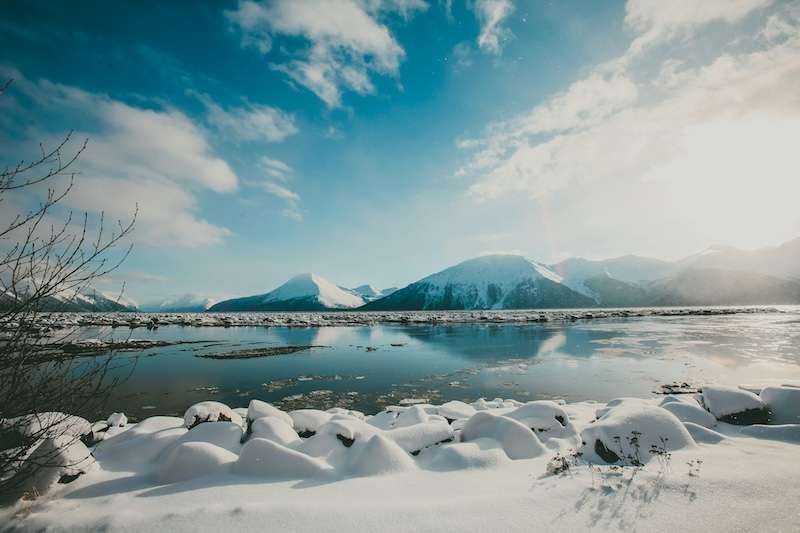 Photo by Rod Long on Unsplash
The mistake many travelers make is assuming “seeing Alaska” means checking off ports from a crowded ship schedule. You can do that, of course. But if your goal is a more meaningful experience; one shaped by weather, wildlife, local knowledge, and the rhythm of the place itself; a private-style expedition approach offers something entirely different.
Not necessarily louder. Not more indulgent for the sake of it. Just more intentional.
In Southeast Alaska, that often means moving with a custom route, a small group, and expedition-minded leadership that can adapt to conditions in real time. It’s the difference between following a printed timetable and building days around what’s actually happening on the water:
lingering when whales are active, shifting plans for weather, prioritizing respectful viewing distances, and choosing anchorages that feel like access rather than spectacle. If you’re considering a private yacht charter to Southeast Alaska, this is the standard worth holding the trip to: flexibility that serves the place, not just your schedule.
And that is where expedition specialists like EYOS Expeditions come into the conversation. EYOS describes its yacht charter work as tailored to the traveler, with custom expedition planning and yacht selection support rather than a fixed, one-size-fits-all route.
On its site, the company emphasizes customizing the expedition experience and pairing that with operational expertise in remote waters.
Why choose private-style expedition for Inside Passage
Alaska’s Inside Passage is not just one destination. It is a long, complex coastal region of fjords, islands, channels, forests, wildlife habitat, and culturally significant communities.
Travel Alaska describes the region as stretching roughly 500 miles along the Pacific and highlights its wildlife-filled fjords, tidewater glaciers, and island scenery, much of it within the Tongass National Forest. That geography is exactly what makes a private-style expedition so compelling.
A fixed cruise itinerary can show you the highlights. But a more customized expedition can let you experience the texture of Southeast Alaska:
- quieter anchorages at the right light
- more flexible wildlife windows
- shore landings that depend on tides and conditions
- slower movement through areas where “less” often reveals more
- time for kayaking, skiff exploration, photography, or naturalist-led observation
In other words: the route becomes a living plan, not a timetable.
“Without the crowds” means better pacing
“Crowd-free” is often sold as a luxury fantasy. In Alaska, it is better understood as a design choice.
A private-style expedition doesn’t remove you from the destination; it changes how you move through it. The difference is pace and intent. Instead of stacking experiences, you shape days around:
- weather windows
- tides
- wildlife activity
- local knowledge
- guest interests (photography, marine life, culture, hiking, conservation learning)
That flexibility can create the kind of trip people remember for years, not because they “did more,” but because they felt more present in what they were seeing.
Expedition experts emphasize customized expedition planning, while its broader expedition messaging leans into remote, off-the-beaten-track travel supported by operational expertise.
What “private-style expedition” actually looks like in the Inside Passage
This doesn’t have to mean ultra-flashy travel. It means expedition logistics are done well. A private-style expedition in Southeast Alaska often includes some combination of:
1, Custom routing instead of fixed port calls
Rather than committing every day to a rigid sequence of stops, an expedition plan can be built around:
- seasonal wildlife patterns
- weather systems
- anchorage suitability
- guest priorities
This matters in a destination where conditions are part of the experience.
2. Smaller-group decision-making
Smaller groups make it easier to pivot. If conditions are ideal for a skiff excursion, wildlife viewing session, or a longer photography drift, the day can shift accordingly.
3. Expedition leadership, not just hospitality
In remote cruising, comfort matters, but so does judgment. Operators with true expedition experience add value through route planning, safety decisions, landing logistics, and wildlife-aware operations.
EYOS repeatedly foregrounds that operational capability at the very core of what it does, highlighting confidence and safety in remote and even uncharted environments.
4. Access with restraint
The best expedition-style travel in Alaska doesn’t chase closeness at any cost. It respects distance, timing, and habitat. That is not a compromise. That is the point.
Meaningful access starts with respecting wildlife and regulations
Any “authentic Alaska” story worth publishing should be clear about this: nature-respecting access is not just an ethical preference, it is often a legal and operational requirement.
For example, NOAA Fisheries’ Alaska guidance states that vessels must not approach within 100 yards of a humpback whale and must avoid disrupting whale behavior, including by operating at slow, safe speed nearby.
That has two implications for travelers:
- The best operators are not the ones who promise the closest encounters.
- A skilled expedition team can still deliver extraordinary viewing while working within responsible distances.
This is where “private-style” can be especially powerful. Instead of rushing from one sighting to the next, you can spend more time observing behavior from an appropriate distance, which often leads to a more memorable experience anyway.
NOAA also notes voluntary responsible-viewing frameworks (including Whale SENSE practices in Alaska’s Juneau area) that emphasize reduced speeds and time limits around whales.
That is the mindset sophisticated travelers should look for: not just access, but low-impact access.
Glacier Bay is the clearest example of why stewardship matters
If the Inside Passage is the broad canvas, Glacier Bay is where many travelers most clearly understand the relationship between privilege and restraint.
The National Park Service requires permits for vessels operating in Glacier Bay during the peak summer period (June 1–August 31), and explicitly states that vessel limits are intended to protect habitat for marine wildlife while preserving air/water quality and wilderness solitude.
That language matters. The park is not simply managing traffic for convenience; it is protecting the conditions that make Glacier Bay meaningful in the first place.
NPS also highlights additional operating restrictions and caution zones (including whale waters and protected areas tied to wildlife sensitivity) designed to reduce disturbance and collision risk for humpbacks and to protect vulnerable species and colonies.
This is exactly why a private-style expedition should be planned with people who understand compliance, timing, and conservation-minded routing — not just scenic wish lists.
Where It All Starts to Feel Effortless
If you are writing about high-end expedition travel in Alaska, EYOS is a relevant example because the company sits at the intersection of:
- customized expedition planning,
- superyacht and expedition yacht logistics,
- remote-region operational expertise,
- and a stated conservation/sustainability philosophy.
On its conservation and sustainability page, EYOS describes expedition travel as a “meaningful force for good” and frames its work around preserving remote wilderness for future generations.
That language aligns well with the best version of luxury expedition travel in Alaska: not extraction, not “bagging” experiences, but thoughtful presence in sensitive places.
Jetset Times even flags Alaska as a standout yacht destination, noting that the Inside Passage is where you’ll find glaciers, deep fjords, and wildlife like bears, eagles, and whales; the kind of coastline that rewards slow, flexible cruising.
And their destination materials for Southeast Alaska feature expedition-capable vessels such as Hanse Explorer and Pioneer, reinforcing the point that platform and capability matter when you want flexibility and safe operations in remote waters.
What to look for when choosing a private-style expedition in Southeast Alaska
Whether you work with EYOS or another expedition operator, here’s what distinguishes a truly meaningful trip from a merely expensive one:
Route flexibility
Ask how much the itinerary can shift based on:
- weather
- wildlife activity
- guest interests
- local conditions
2. Expedition leadership credentials
Who is making the call on landings, weather, and wildlife approach behavior? In Alaska, this matters more than design finishes.
3. Wildlife-viewing standards
Ask directly about marine mammal approach practices, speed behavior near whales, and how they handle sightings when conditions are crowded. If the answer sounds like “we always get you close,” that is a red flag.
4. Conservation philosophy in practice
Look for specifics:
- support for science or conservation initiatives
- guest education onboard
- low-impact operating protocols
- respect for protected-area rules and closures
5. Cultural and local context
The Inside Passage is not empty wilderness. Travel Alaska notes the region is home to Tlingit, Haida, and Tsimshian peoples, with living cultural traditions visible through art, song, dance, and community life. A stronger expedition experience acknowledges that, and avoids treating Alaska as scenery only.
How to frame “luxury” in Alaska now
The most compelling Alaska travel stories in 2026 are no longer about pure exclusivity. They are about quality of access.
Luxury, in this context, looks like:
- a route that can adapt
- expert decision-making
- time to observe
- fewer compromises on safety and stewardship
- the ability to move quietly and respectfully through extraordinary environments
That is why the “private-style expedition” angle resonates right now. It offers an alternative to standard cruise pacing without drifting into cliché “untouched wilderness” language that ignores regulations, local communities, and ecosystem pressures.
The real sophistication is not in arriving with the biggest vessel. It is traveling with the most thoughtful plan.
Final take
If your readers are drawn to Alaska for glaciers, whales, coastal forests, and a sense of scale they can still feel in their bodies, the Inside Passage remains one of the world’s great expedition regions.
But the best way to experience it may not be the most obvious.
A private-style expedition, especially one designed around flexibility, respectful wildlife viewing, and conservation-aware operations can transform Alaska from a scenic checklist into something more intimate and lasting.
And for travelers exploring that lane, credible expedition experts are perfect examples of how customized expedition planning and a stated sustainability ethos can coexist with high-end travel expectations. Their language around tailored expeditions, operational expertise, and expedition travel as a meaningful force for good makes them a natural reference point in this conversation.
