
Missed buses, lack of cultural awareness, overspending and other errors are typical parts of on-the-road experience. You cannot learn to seamlessly move through airports and interact with other nations overnight. Our tips will help you speed up the process and avoid the most embarrassing blunders.
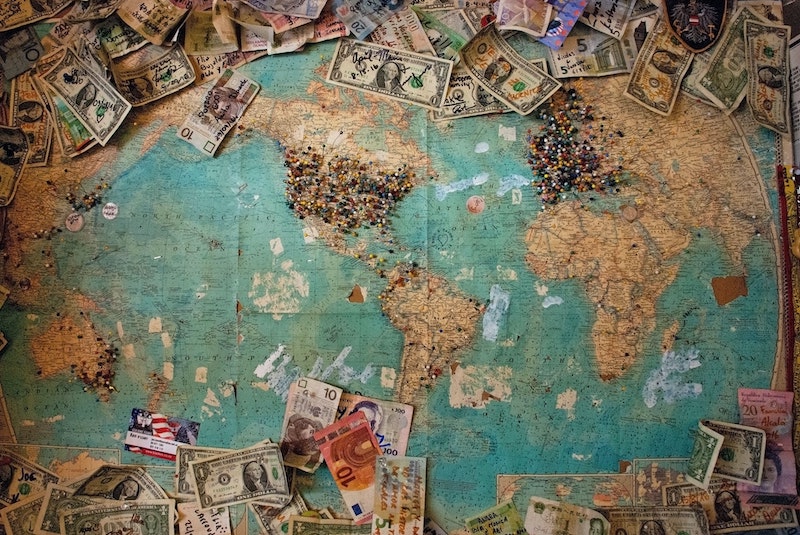 Photo by Christine Roy on Unsplash
1. Be Smart with Your Bank Cards
Whether you saved up or used your big chance of win with rolling slots, losing access to that money is a disaster. What would you do if you lost your card? Take a backup to maintain access to your funds. When you go out, carry just one card and limit the amount of cash.
Find out About Fees
Pay attention to withdrawal charges and conversion rates. Make sure your cards do not have foreign transaction fees or ATM fees. Otherwise, the commissions will add up quickly.
2. Pack Light
Make a list of the clothes you think you might need and take half of them. It is acceptable to wear the same T-shirt several days in a row. Humans tend to fill all available space, so the less room there is in your bag, the better. Having a small backpack will force you to choose your stuff carefully.
3. Don’t Buy a Money Belt
Thieves are well aware that money belts exist. Wearing one is like shouting that you are a tourist with money. Besides, if the belt is your primary cash holder, you will have to lift or adjust your clothes to access it. Doing this in public is not safe!
What to Do Instead
Keep a better eye on your wallet and try to blend in with the locals. This will also help you get the best deals.
4. Try Travelling Solo
This is more than an opportunity to be selfish. Solo trips will teach you about yourself and human interactions. Learn to handle unfamiliar situations independently. Travel by yourself at least once to gain some valuable life skills.
5. Make Copies of Documents
Losing an ID or passport abroad is a nightmare! Make copies of all important documents and email them to yourself, too. You never know when you may be asked for some documentation, and carrying the originals around at all times is not safe.
6. Don’t Buy Tickets to Direct Flights
Direct flights are usually the most expensive ones. Unless you have to get to your destination ASAP, plan wisely and save your money!
What to Do Instead
Shop around on websites like Momondo, Google Flights, or Skyscanner. Use the calendar view to see which days are the cheapest. Choose a flight with a connection. Alternatively, fly to an airport close to your final destination, and travel by train or bus from there.
7. Line up Behind Business Travelers
Business travelers are usually in a rush. What’s more, they often travel light. Therefore, getting behind them in security lines may speed up the process. Families, particularly families with kids, take forever as they have a lot of stuff. Never get behind them.
8. Visit Attractions at Lunchtime
Do you want to visit attractions with fewer crowds getting in your way? Choose lunchtime. While other tourists eat, you can explore the places at your own pace. Be a contrarian.
9. Avoid Eating in Touristy Areas
Eateries close to tourist attractions are usually more expensive, while the quality of food and service is lower. Use Google Maps or Yelp to find restaurants at least five blocks away. Finally, if the menu is available in multiple languages, you know for sure that the restaurant is just for tourists!
10. Learn Basic Phrases
You do not have to take a course in the local language but learn some basic phrases. Knowing how to say “Hello”, “Goodbye” or “Thank you” goes a long way. It will endear you with the locals who will appreciate the fact that you tried!
For additional information please visit the Local Digital Business.
