As a massive rollout of the COVID-19 vaccine provides hope and relief for millions across the United States, the prospect of normalcy offers adventure and opportunity to those with immunity.
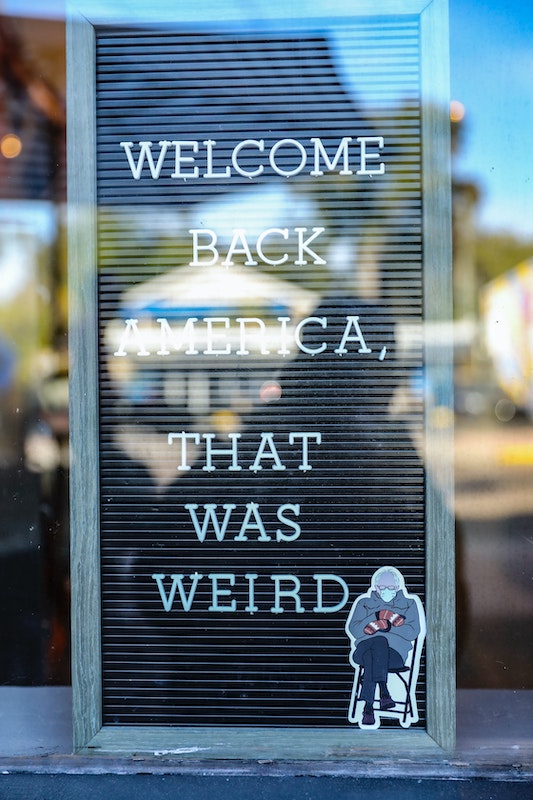
The United States is currently one of the most efficient countries administering the COVID-19 vaccine, with each individual state rapidly moving through various phases of immunization, and as rates of infection dwindle and restrictions ease, vaccinated citizens are eager to get back on track. Here’s what to know as you make preparations for life post-vaccine:
Travel
Before booking your first trip, you should wait 2 weeks after full immunization from the second dose of a 2-dose vaccine like Pfizer or Moderna, or 2 weeks after a single-dose vaccine. A recent pause of the single-dose Johnson & Johnson vaccine stunts the progress of a mostly productive vaccination rollout in the United States, though President Biden is confident that a large supply of vaccines from Pfizer and Moderna will make up for the slowdown caused by the J&J pause.
Once fully vaccinated, U.S. citizens may travel domestically without quarantining or being tested pre- or post-flight. International travel is also permitted without quarantine, though some destinations may require COVID tests even for those with immunity. A QR-based vaccine passport app has been proposed in the United States and would grant vaccinated citizens more freedom when navigating a changed world, but the digital vaccine verification has generated much controversy and has not yet been finalized for public use.
Though the United States was struck with several crippling waves of the deadly coronavirus throughout 2020 and in the first months of 2021, other countries across the globe were far luckier, and managed to contain the virus with strictly enforced regulations and a diligent collective effort to slow transmission. International travel guidelines continue to change as the vaccine becomes more readily available outside of the U.S., and travelers should still expect to wear masks and practice social distancing when flying or using other forms of public transportation in any destination. Countries which have fully opened their borders to vaccinated tourists include: Iceland, Belize, Croatia, Ecuador, Portugal, Georgia, and several others.
Concerts & Festivals
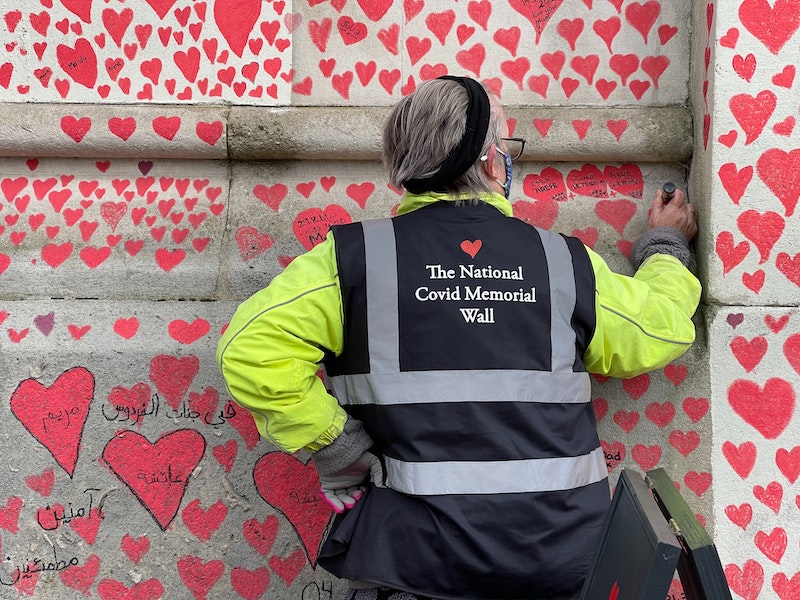
After losing $30 billion in revenue as a result of the COVID-19 pandemic, the concert industry is desperate for a resurgence of music lovers returning to in-person concert venues across the U.S. post-pandemic, but traditionally crowded events may forever be a thing of the past with the introduction of new safety concerns and tighter regulations. The CDC currently warns against attending large gatherings like concerts but stresses the importance of wearing masks and social distancing for those who still wish to enjoy live performances after receiving a full vaccination. Ticketmaster has also announced its new framework for concert safety involving a “Health Pass” to verify fans’ vaccination statuses as well as required COVID testing for fans before all concerts and festivals.
Despite cautionary preparations for the revitalization of the concert industry, U.S. tours and large-scale performances likely won’t return until 2022 when herd immunity guarantees more safety for eager concertgoers. In the meantime, innovative music artists are finding ways to deliver new music to sequestered fans across the nation via livestream shows and socially distanced drive-in concerts. After a full year without concert and festival traffic, the wait continues as artists and fans alike rely on a speedy rollout of COVID-19 vaccinations across the U.S. to bring live music and entertainment back to a silent, secluded nation.
Sporting Events
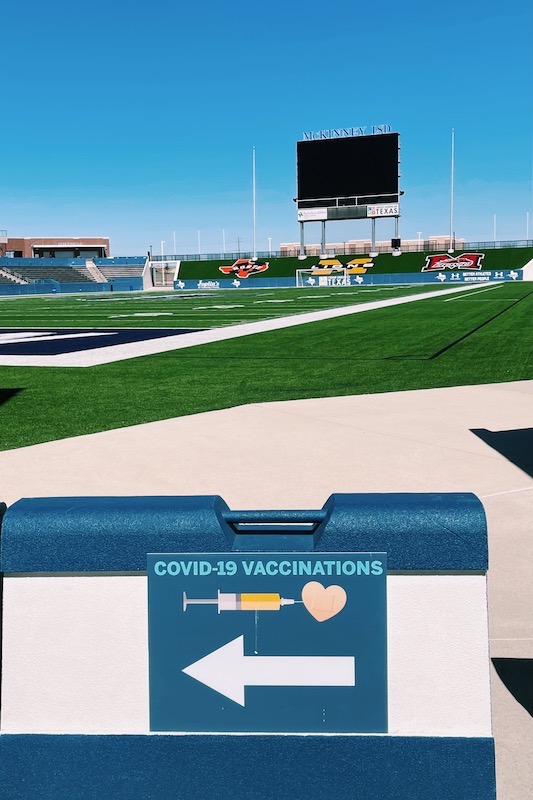
Much like its ruling on concerts and festivals, the CDC also warns against highly populated sporting events, though more leeway is offered for outdoor venues with larger seating capacities. All fans are required to wear masks and to remain at least 6 feet apart at crowded competitions, and attendees are also heavily discouraged from yelling or cheering to avoid potential transmission. Though spectators are not required to present vaccine verification for entry into games, crowd sizes are strictly mandated, and only a select number of tickets are available for purchase at all events.
Many immersive traditions and sports customs like tailgating are discouraged in the wake of the pandemic, and even concessions are questionable at some events where lines cannot be properly spaced out and contact is not easily limited. Although the CDC recommends watching your favorite sports teams from the comfort and safety of home, expect stadiums and arenas to gradually welcome more fans over the coming months as increasing rates of vaccinations allow for more recreational accommodations across a stabilizing country.
Mask Wearing & Social Distancing
Distant memories of crowded public spaces filled with smiling, chatting strangers are now clouded by viral images of empty streets and faces concealed by protective masks over a year into a global emergency challenging the structure of everyday life for millions around the world. Though we long for the days when we can finally strip off our masks and take back our active social lives, mask wearing and social distancing are likely to continue long after mass vaccinations and decreased rates of infection provide relief from an exhausting, relentless pandemic.
For decades, masking has been widely practiced in many Asian countries hit by the SARS outbreak in the early 2000s, and masks have been proven to curtail the spread of various infectious diseases like COVID and the influenza virus. Though masks may not be a constant reality after the pandemic, they may not completely fade away, and will likely be recommended when using public transportation, visiting a loved one in the hospital, or gathering in large crowds.
As we round the final bend of a deadly and destructive pandemic to get back to a future of routine and normality, the promise of more freedom brings peace of mind to millions, though the lasting detriments of the coronavirus serve as a final hurdle in a period of temporary isolation and stillness. In the meantime, continue to mask up, practice social distancing, and sign up for the vaccine when you are eligible to safely get back to a world with no absence of adventure, connection, or the simple joys of everyday life.