From Boston to Austin, the culture and politics surrounding the pandemic may surprise you.
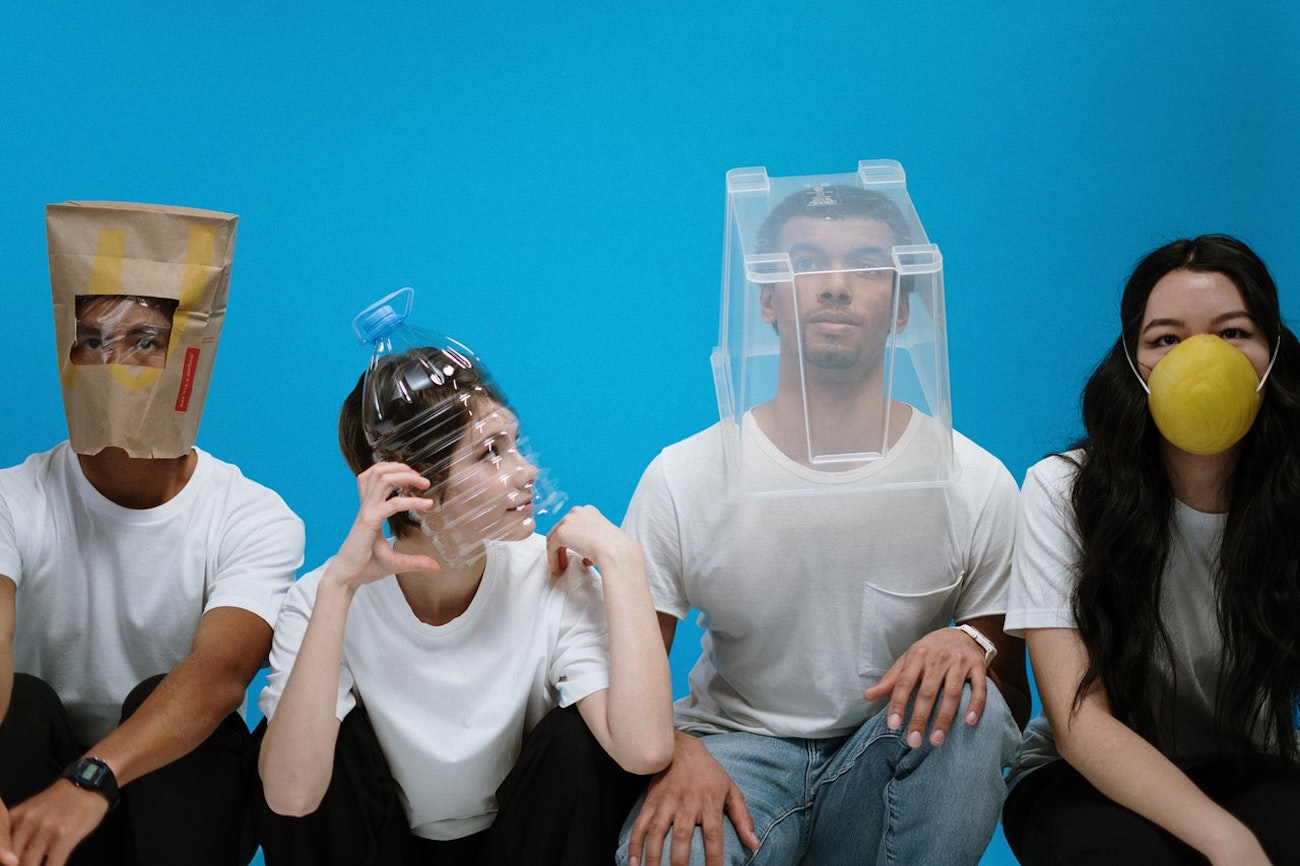
Mask-wearing entered the circle of the American norm almost as quickly as it seems to be leaving. In fact, a quick Google search for something like “P2 face mask online” will already yield thousands of results. The culture of the mask was quickly embraced by some, as mask-fashion featured fun (and questionable) takes on the medical device in an attempt to tantalize consumers into participating in the war against the virus. As the country’s COVID-19 regulations and mandates appear to be expiring or repealed with more frequency every day, the question of who should be wearing a mask and where they should be wearing it becomes harder to answer.
The topic of “the mask” has been indisputably politicized from the moment it was legally enforced. Conspiracy theories surfaced surrounding government facial I.D. recognition, the noted violation of the first amendment, or simply put, the refusal to be “muzzled” were cited as reasons why many choose not to participate in the precaution. As the sphere of regulations shifts, however, there seems to be no real distinction between those who wear it and those who don’t. Online, the rampant fear of “looking like a republican” is echoed among those who have had a bone to pick with anti-maskers throughout the past year. Perhaps most shockingly, even rumors of a conspiracy that would cause anti-maskers to mask up in an attempt to protect themselves from the vaccinated have sprung up, perhaps the greatest oxymoron indicative of our current political climate. The only reachable conclusion surrounding the act of wearing a mask is: you can’t reach one.
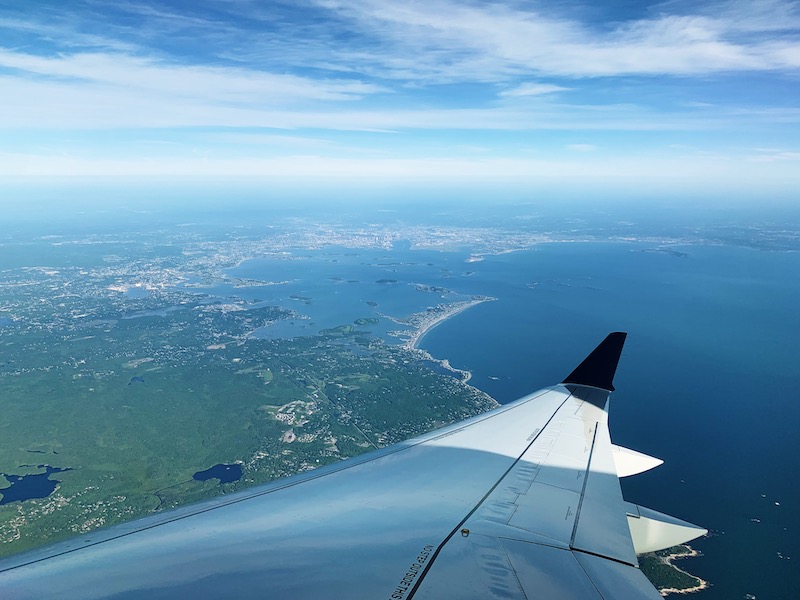
I quickly learned this as I boarded my first flight in a little over a year last week. Having had the unique circumstance of flying in March of 202, the shift in the mindset of both the flyer and airline was evident. 14 was the total number of passengers on my direct flight from Baltimore to Austin back then, this time around the flight was full, spare a few seats. The quintessential complimentary drink and snacks were also restored since the last time I had flown. Overall, the feeling aboard was genuinely more relaxed and reminiscent of pre-COVID times as evidenced by the increase in in-flight passengers. According to the TSA website, checkpoint travel numbers are currently fluctuating around 1.5 million, versus this time last year which saw around 200,000 to 300,000 travelers a day. The current traffic through U.S. airports is about half what was recorded in late May of 2019, which accommodated around 2 million travelers a day.
This increase in travel is likely due to a culmination of the CDC’s updated recommendations surrounding travel, dictating that fully vaccinated people can “resume domestic travel and refrain from testing before or after travel or self-quarantine after travel,” and the commonly felt “over it!” mentality that many Americans share regarding the pandemic.
The mask situation was one of little concern on Delta flight 344 to Austin, there were no noted refusals, and the option to remove the mask when snacking was available. This experience stands as a stark contrast to the heavily reported airplane mask conflicts news headlines lately.
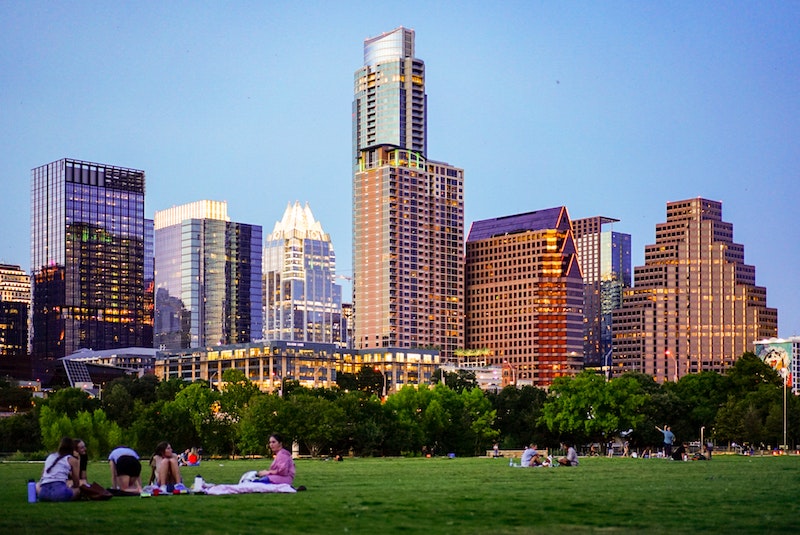
In preparation for my trip to Austin from Boston, I expected a “COVID-culture shock” of some sort. Massachusetts – at the time of my flight was still one week out from the mask mandate being lifted on May 29th – seemed far behind any sort of mask-less state of being that Texas, whose mask mandate was repealed on March 2nd, would be in. Acknowledging the fact that Austin is notoriously blue in a sea of red, politically; I was still surprised to see the inconsistencies of mask norms in this southern city. It seems as if masks are largely present in retail stores, coffee shops, grocery stores, and any other indoor space; but less likely to make an appearance in outdoor attractions and bars. A similar situation stands for those back in Massachusetts who were just relinquished from the mask mandate, as is reported to me by a close friend back home. People seem to be embracing the no-mask mentality in certain places and sticking to the safe side in others. I was surprisingly hesitant to bare the scantily clad lower half of my face, despite following regulations. Admittedly, the circumstances I have been comfortable enough to go sans-mask in were liberating. The act of ditching the mask safely is slightly symbolic of shedding the collective trauma the pandemic has had on American life.
Although, arguably over-politicized on both sides of the aisle, the choice to wear a mask or not is uniquely personal (granted regulations allow.) There still stands a risk for contracting the virus, even if fully vaccinated according to the CDC. The danger reared by the virus, however, is significantly lessened on those it may come into contact with. The transition back may be rocky at first, but ultimately if trends surrounding the pandemic continue as they have been, the enigma of “the mask” may soon be gone from daily life, regardless of one’s political affiliation or geographical location.