In the midst of stay-at-home orders and social distancing regulations, the COVID-19 pandemic pushed millions to de-stress by spending more time outdoors.
At the peak of the coronavirus pandemic in the U.S., all 50 states implemented stringent community mitigation strategies to prevent social gatherings and travel, forcing nearly everyone across the country to stay home to stop the spread of the virus. After months in isolation, antsy citizens escaped outdoors for much-needed breaks from the monotony of quarantine. Masked adventurers broke free from homes which so quickly began to feel like cages. The outdoors offered fresh air, wide open spaces, activities, and opportunities for millions to reconnect with nature that had been long abandoned for other forms of entertainment and pastimes.
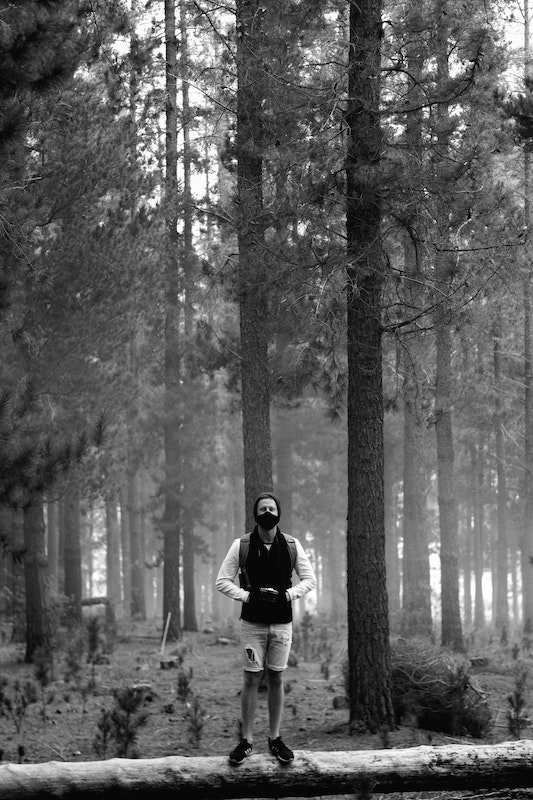
During the COVID-19 pandemic, the Centers for Disease Control and Prevention maintained an optimistic stance on outdoor activity due to the rapid dispersal of coronavirus particles in the open air, making natural settings safer options for activity and adventure. Following lenient outdoor guidelines during months of quarantine, millions started new hobbies or returned to old pastimes to get outside and fill their long, mundane days with fun.
The pandemic led to a nationwide bicycle boom with a 200% sale increase reported by the U.S. Retail Tracking Service just one month into lockdown. Even today, bicycle retailers struggle to keep up with consumer demand. Boat sales also skyrocketed during the summer of 2020, creating a backlog for dealers across the country. A year later, even more outdoor equipment like hiking and camping gear is expected to fly off of shelves and out of dealerships as national parks prepare to reopen post-pandemic.
According to the Outdoor Foundation, 8.1 million more Americans went hiking in 2020 than in 2019, 7.9 million more went camping, and 3.4 million more participated in freshwater fishing. The 2,200-mile Appalachian trail stretching from Maine to Georgia saw perhaps the greatest boost in outdoor traffic with visitors from across the nation seeking an escape from their seclusion on the longest hiking-only footpath in the world. Overall, a 52.9% increase in outdoor activity was reported during 2020, nudging millions back into nature to make the most of their time away from the office and from so many technological distractions of pre-pandemic life.
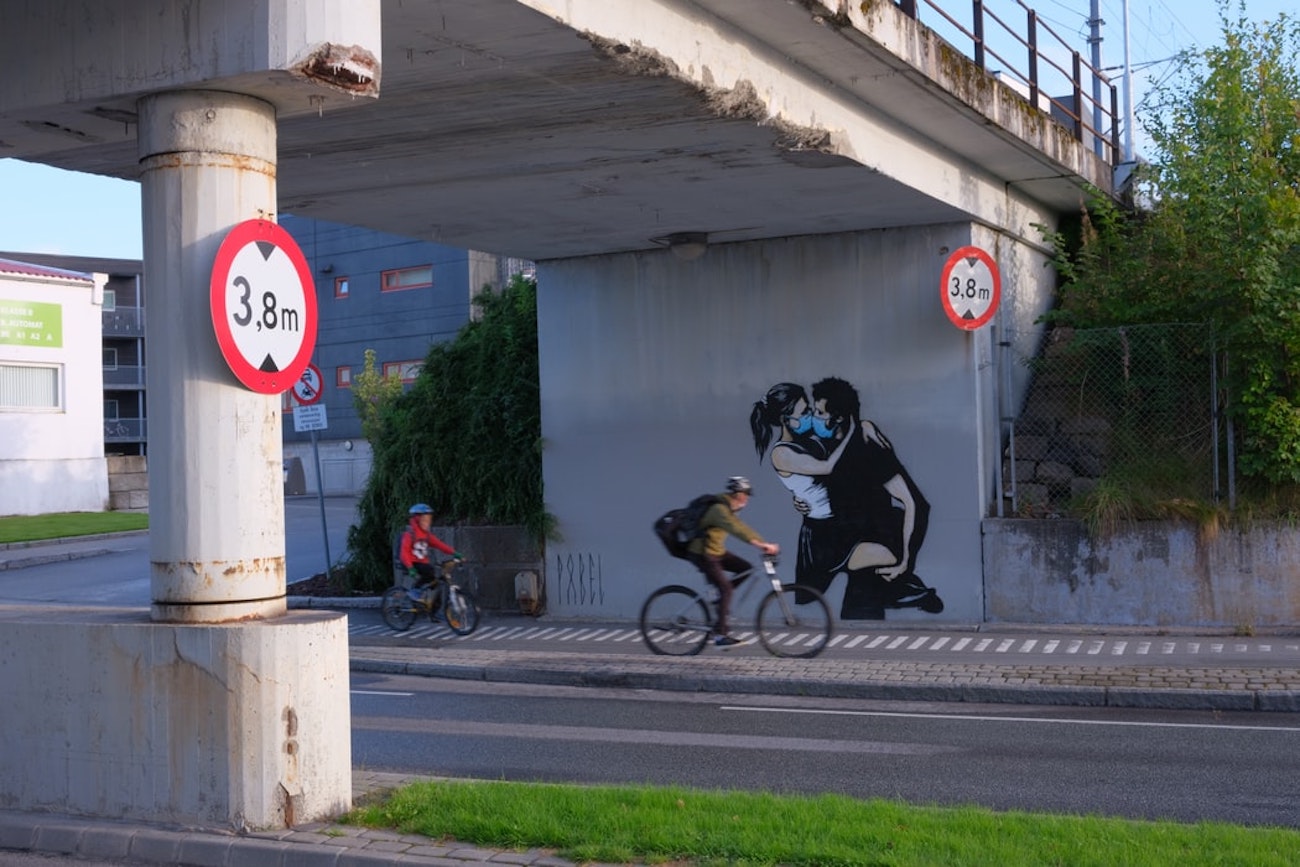
The year-long health crisis also highlights an urgent need for a revitalized relationship between human beings and nature, especially as the threat of global warming pushes the already fragile environment and climate toward their tipping points. As rates of labor and production and levels of employment return to normal, greenhouse gas emissions are likely to soar in the coming year. The natural world provided the perfect escape to decompress in the wake of the COVID-19 pandemic; in return, the world must respond with meaningful acts of preservation and restoration and with the same steadfast care that nature offered to so many in a time when humanity was hurting. We must come out of hiding with the collective knowledge that nature cannot continue to heal us if we do not heal it first.
The influx in outdoor recreation spurred by the coronavirus pandemic serves as a lasting reminder that humanity needs to slow down, to get outside, and to give the natural world the attention and respect that it so deserves. As we round the bend of one of the darkest and most isolating eras in contemporary history, we look onward to healing and reconciliation, not just for ourselves or for one another, but for the world around us to ensure that its greatest treasures and destinations can endure crises yet to come.