
Here are some of the best things to do in Belfast – a destination akin to a pandora’s box.
Belfast, the capital city of Northern Ireland, is also the largest in the region. Upon dampened cobblestone alleys and blocks of splashy street art is the whisper of a convoluted past which separated the Irish Republicans and the British Unionists. Stories are told by those who have lived through bombings, wars, and riots. These narratives are, in fact, mirrors staunchly held in front of our faces, as veritable reflections of our own national prides from the past to present.
Belfast is a marvelous city to travel through, simply because it inadvertently plays the role of a teacher, schooling lessons regarding humanity and dignity. From touring a former prison to driving by the Peace Wall, here are some of the best things to do in Belfast – a destination akin to a pandora’s box. But as discovery unveils, there’s always hope.
View this post on Instagram
Cathedral Quarter
One of the most exciting places to be in Belfast has to be Cathedral Quarter, with legendary pubs and multiple venues for art shows and theaters. In addition to its sordid history, Cathedral Quarter is heightened by the beautiful Saint Anne’s Cathedral and Umbrella Passage which features a vivid courtyard adorned with 21 vibrant umbrellas hanging above it. On the same alley, you’ll also find Duke of York which is one of the most historic pubs in Belfast.
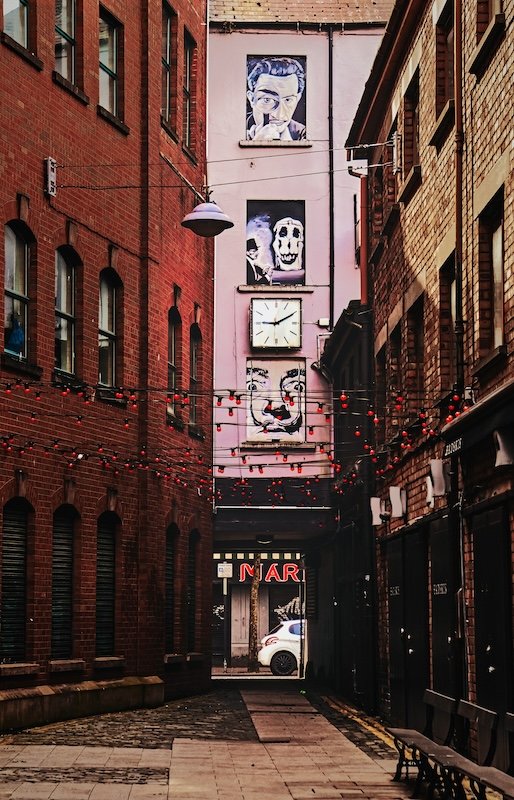 Photo by K. Mitch Hodge on Unsplash
Belfast Cathedral
The magnificent Belfast Cathedral, also often referred to as Saint Anne’s Cathedral, is a 20th century Romanesque Revival architecture built in 1899. It famously features “the Spire of Hope,” along with mosaics by the Martin sisters as well as breathtaking glass-stained windows full of symbolisms and hidden meanings. The cathedral often holds organ recitals, bringing together the local community in a space of serenity.
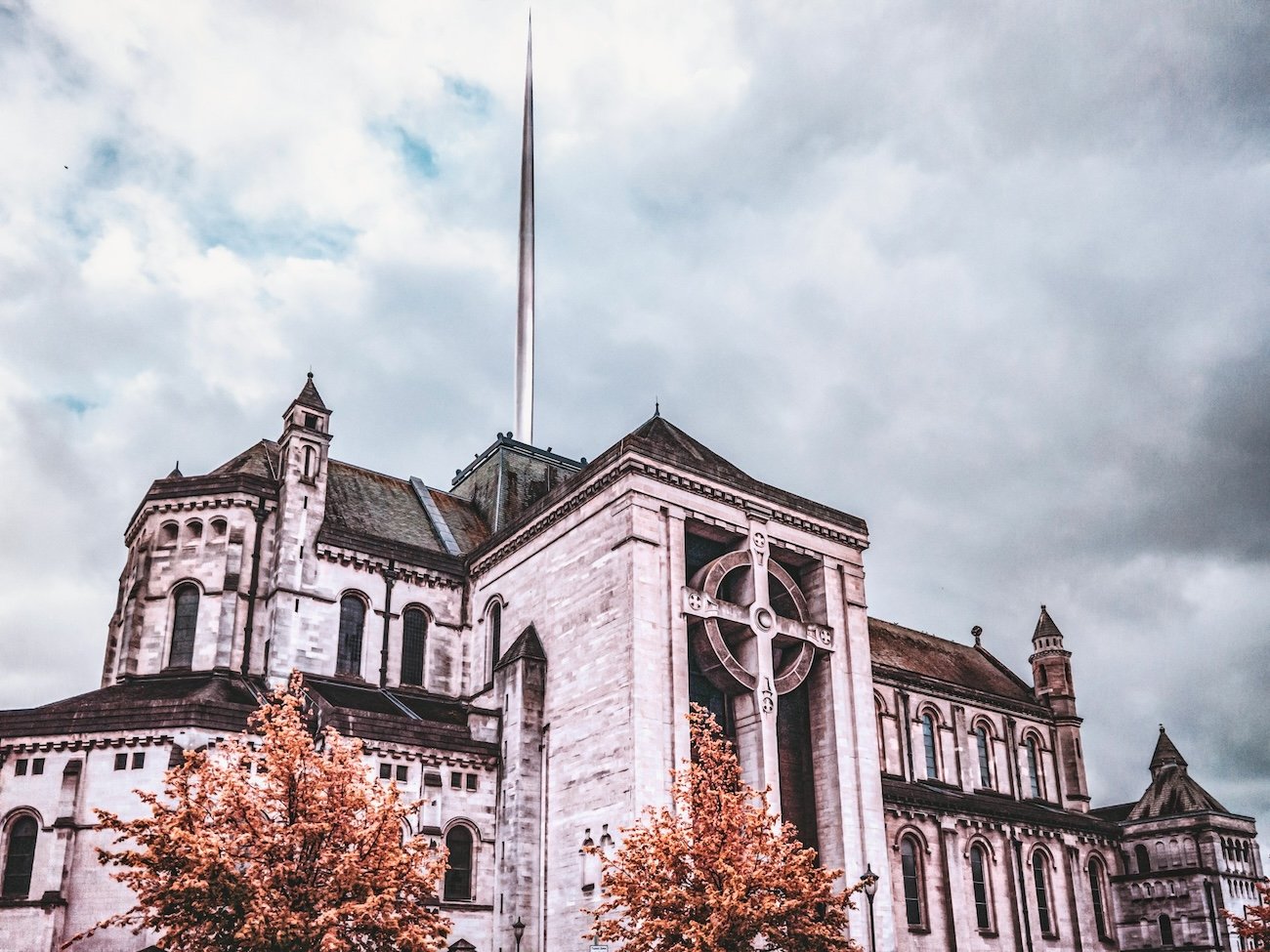 Photo by K. Mitch Hodge on Unsplash
Titanic Belfast
One of the main attractions is Titanic Belfast, where travelers can learn about the construction of the glamorous vessel built in this very city. The museum covers its bold conception, labor-intensive construction in the 1900s, an epic launch and eventually its maiden voyage. The museum also pays homage to thousands of workers that built the Titanic, in the very place where the museum is located today. The entire exhibition features rides, interactive displays and is completely self-guided.
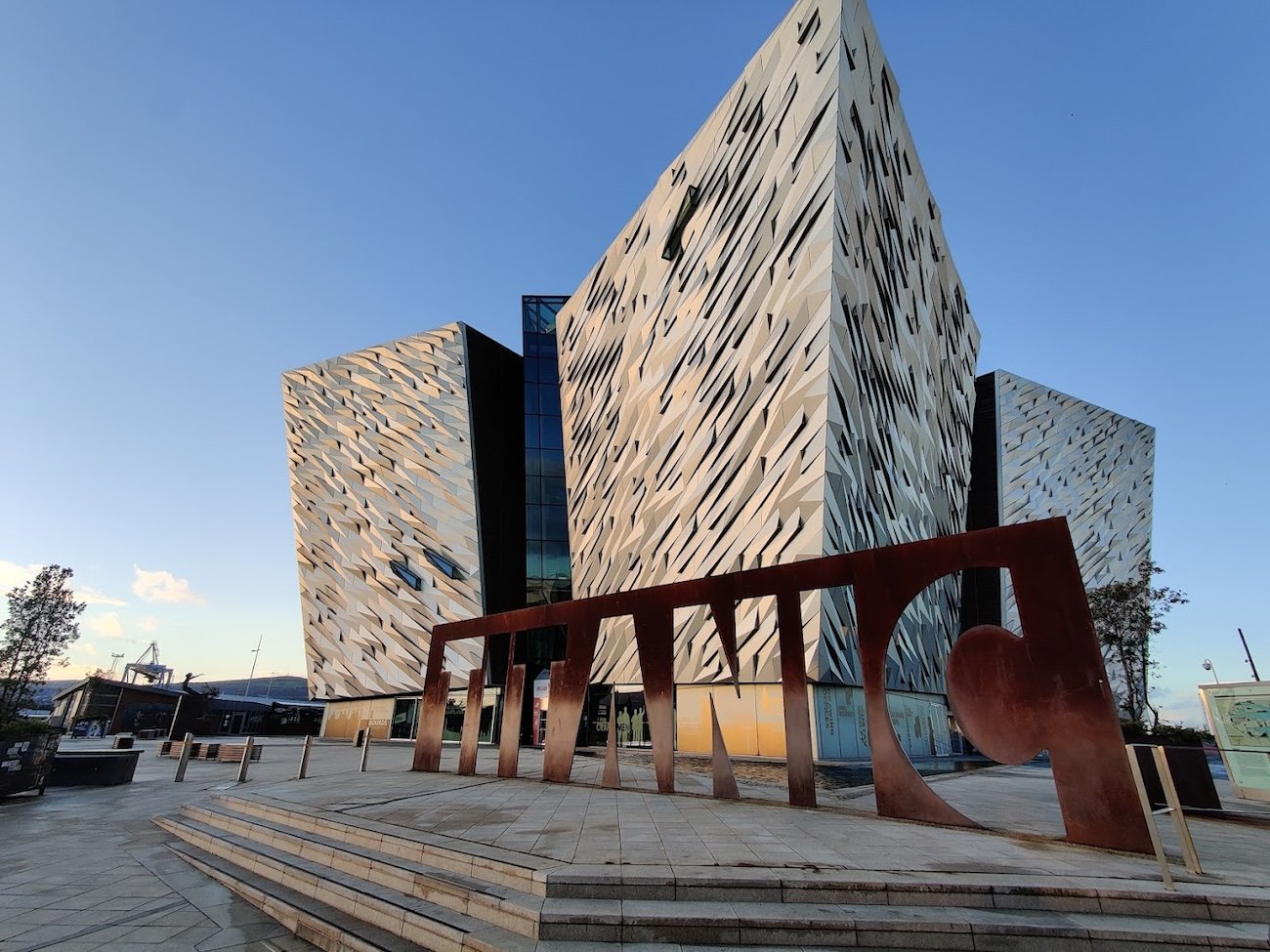 FACEBOOK Titanic Belfast

Crumlin Road Gaol
Ireland is full of gaols to visit, and Belfast is no exempt. The Crumlin Road Gaol is a 19th-century prison that housed criminals, loyalist and Irish Republicans. Especially during “The Troubles” in 1970s, several members of the Irish Republican Army successfully escaped from this particular jail. The gaol was also the first to implement “silence and separation” system, which placed one prisoner in one cell. In addition, there’s an underground tunnel which links the courthouse on the other side of Crumlin Road to the hanging cell, graveyard, the hospital and the Governor’s office.
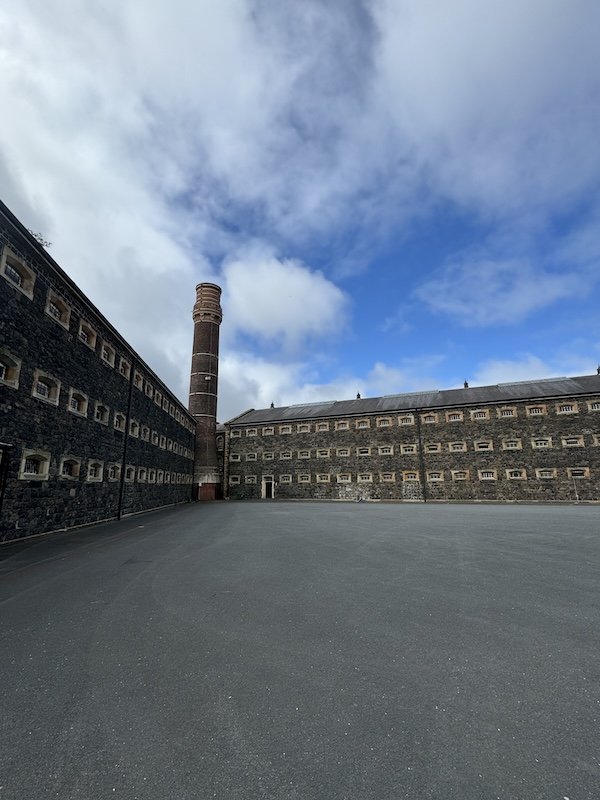 Crumlin Road Gaol. PHOTO WENDY HUNG
Ulster Museum
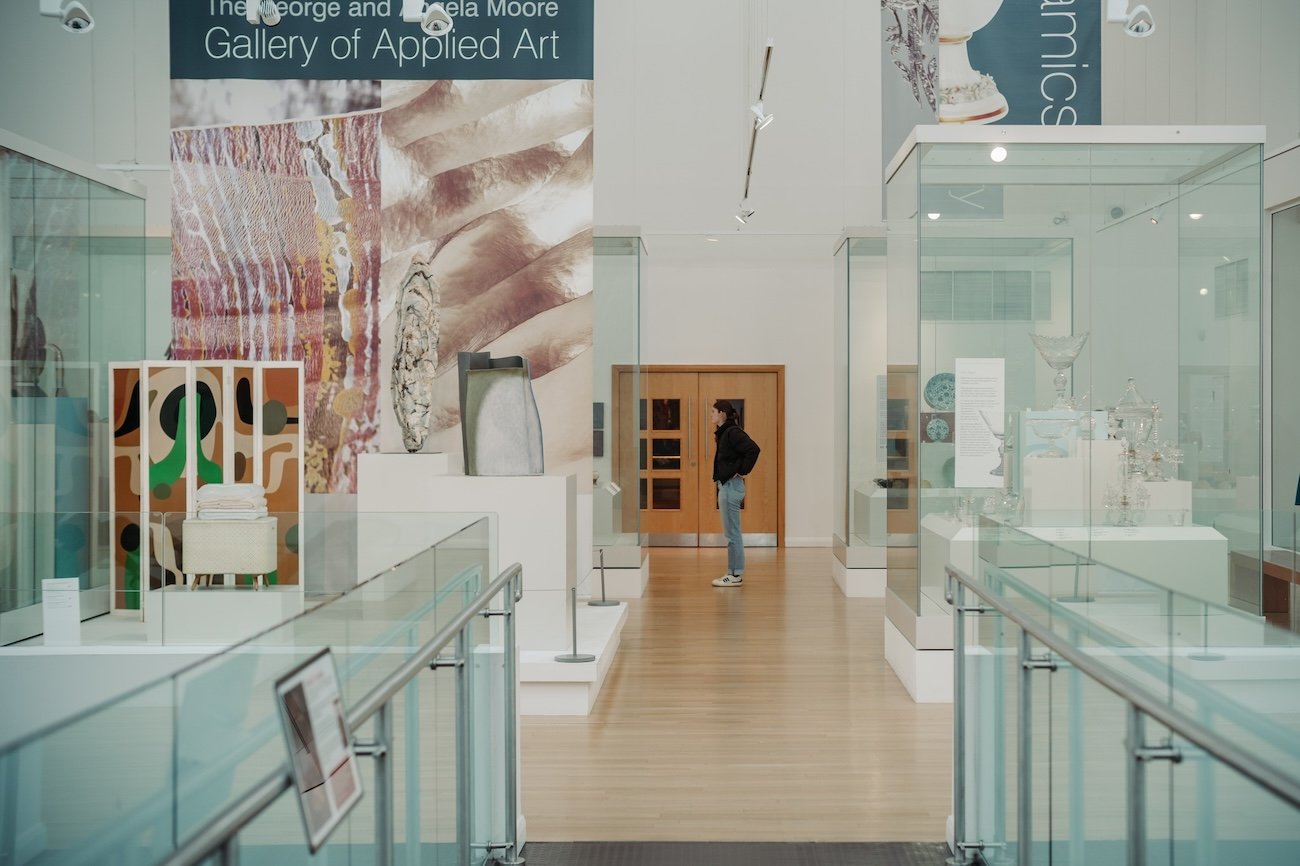
Ulster Museum encompasses vast collections of history, natural sciences, classical and applied art cultivated by Northern Ireland’s local culture. A major highlight of the museum dives into Ancient Egypt and a real mummy: Takabuti, whose coffin was opened in 1835 and revealed a noblewoman who was also a mistress. Buried in a cemetery in the west of Thebes in Greece, Takabuti was murdered after knife wounds were discovered on her body.
 FACEBOOK Ulster Museum, Belfast
Botanic Gardens
 Botanic Gardens. PHOTO WENDY HUNG
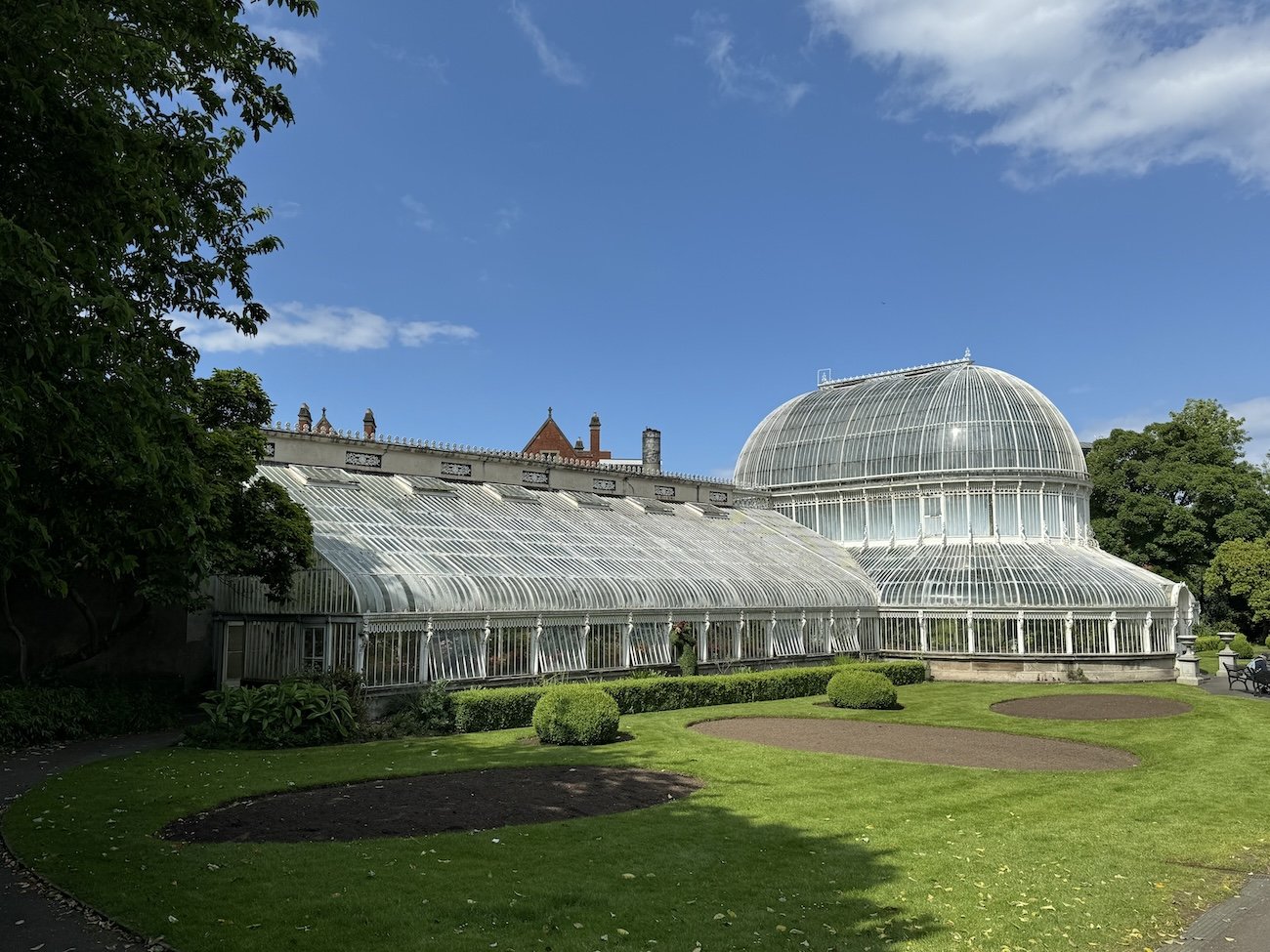
To enjoy the ultimate green oasis, no need to go too far. Since the Victorian era, botanic gardens have played an important role in Belfast’s cultural past. Right outside of the Ulster Museum is Botanic Gardens which was established in 1828, catering to the residents’ passion for botany. Inside the birdcage Palm House – created by English architect Charles Lanyon – is a beautiful curvilinear cast iron glasshouse. A few steps away is a tropical greenhouse full of luscious trees, orchids, plants and even leaves in the shape of hearts.
Peace Wall Belfast
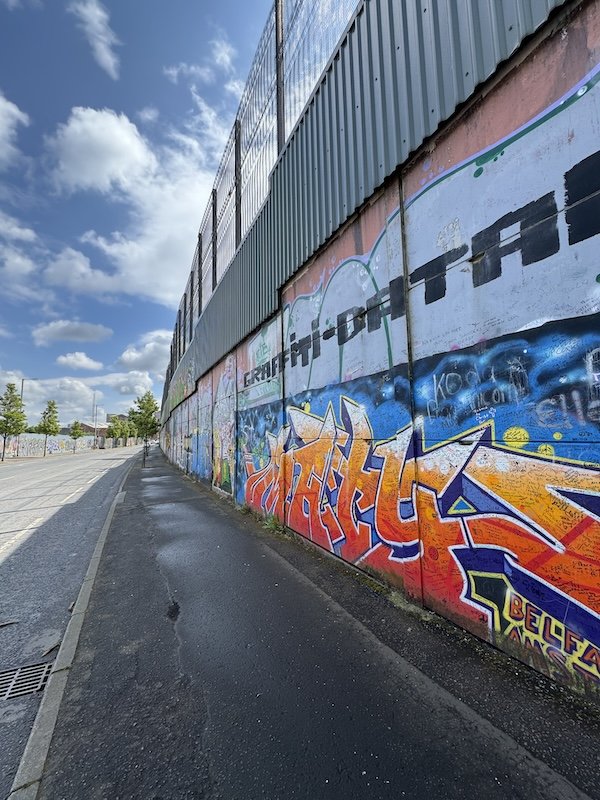
During the start of “The Troubles” (nationalist conflict in Northern Ireland that lasted from 1960s to 1998,) the Belfast Peace Walls were built by the British Army as an attempt to maintain peace while the city was boiling with intense unrest and riots between Irish Republicans (Nationalist Catholics) and British Loyalists (Unionist Protestants.) Over the years, the walls have become longer, wider and even more permanent. Today, it stretches over 32 kilometers (20 miles) with most of it existing in Belfast.
 Peace Wall Belfast. PHOTO WENDY HUNG
St George’s Market
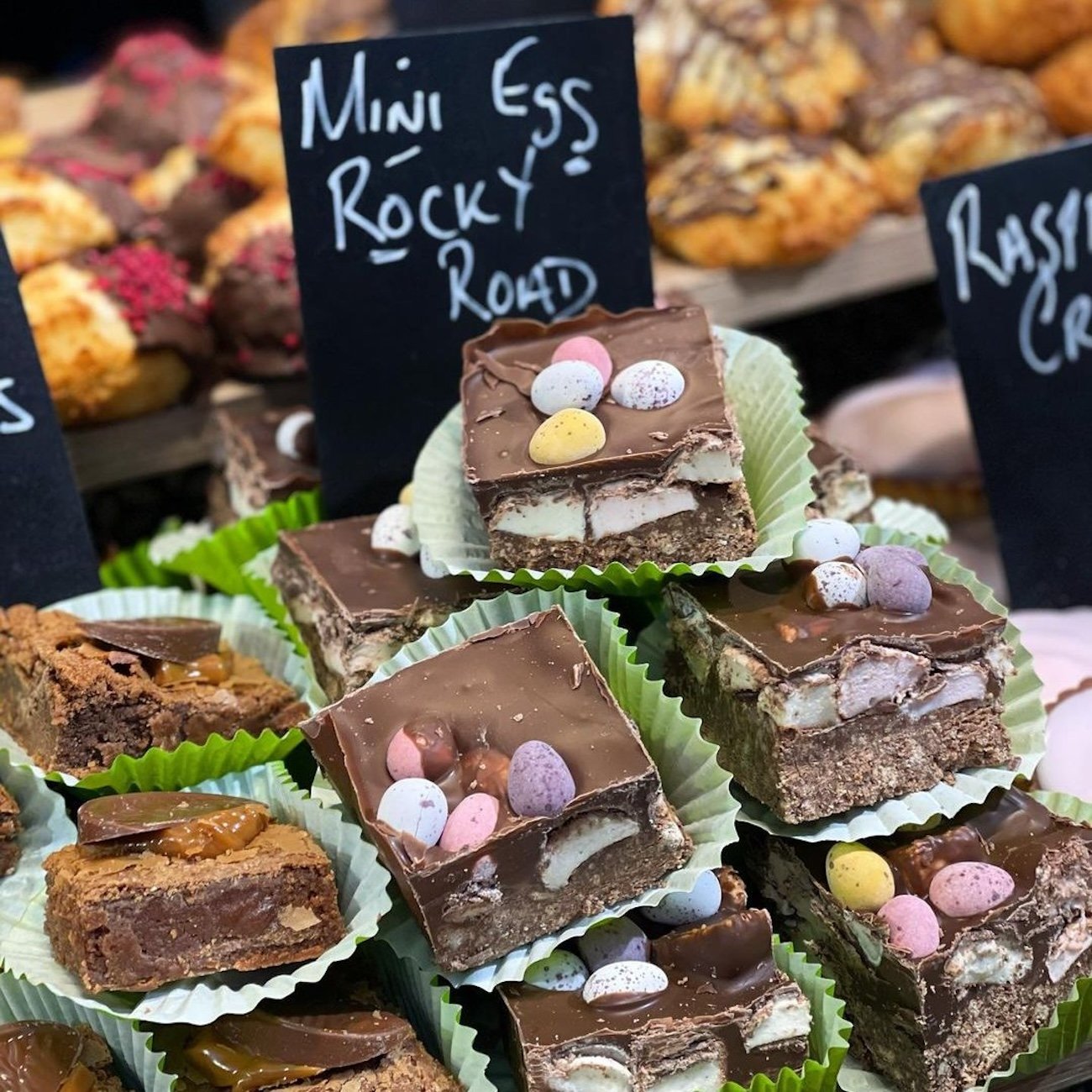
Only open on Fridays, Saturdays and Sundays; St George’s Market is action packed with local handcrafts and delicious foods. The entire culinary experience is also enhanced by live music, along with numerous stalls selling vintage goods and beautiful antiques. The last surviving Victorian covered market in Belfast, St George’s Market originally encompassed a slaughterhouse and a meat market. Today, the architecture still displays Roman arches, in addition to Latin and Irish inscriptions: Pro Tanto Quid Retribuamus (what shall we give in return for so much?)
 FACEBOOK St Georges Market Belfast
Belfast Castle
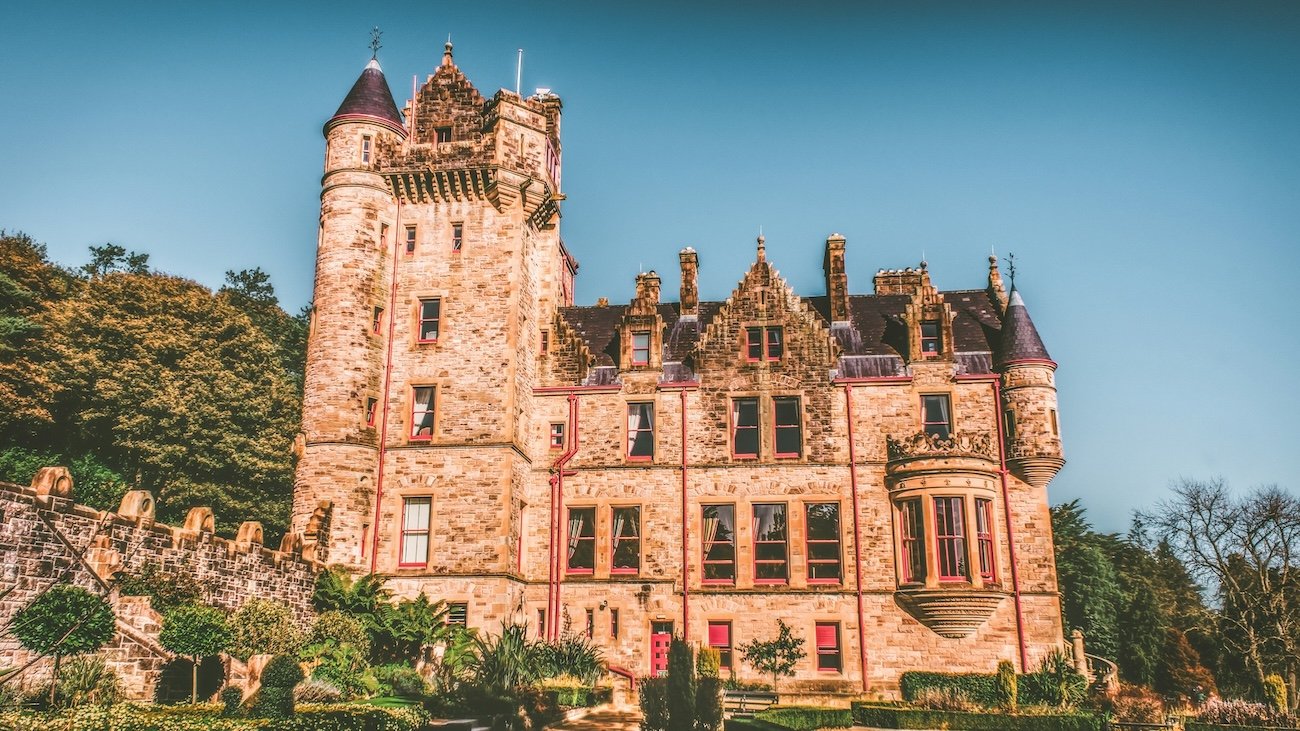 Photo by K. Mitch Hodge on Unsplash
Located approximately 20 minutes by car is Belfast Castle, where a mansion beautifully sits in Cave Hill County Park. It’s been said that this castle was most likely built by the Normans who invaded East Ulster during the 12th century. Today, the magnificent estate offers a spectacular view of the city, as well as elegantly landscaped gardens that are gorgeous to stroll through while admiring some of Belfast’s most unique plants and animals, like long-eared owls and sparrowhawks.
Belfast City Hall
Right in the center of the city is the Belfast City Hall. Standing proudly since 1906, the building displays exquisite stained glass windows, and numerous artworks. Visitors can also wander through Titanic Memorial Garden which is attached to the governmental site. On certain occasions, the building is illuminated by colorful lights that adorn one of Belfast’s most recognizable edifices.
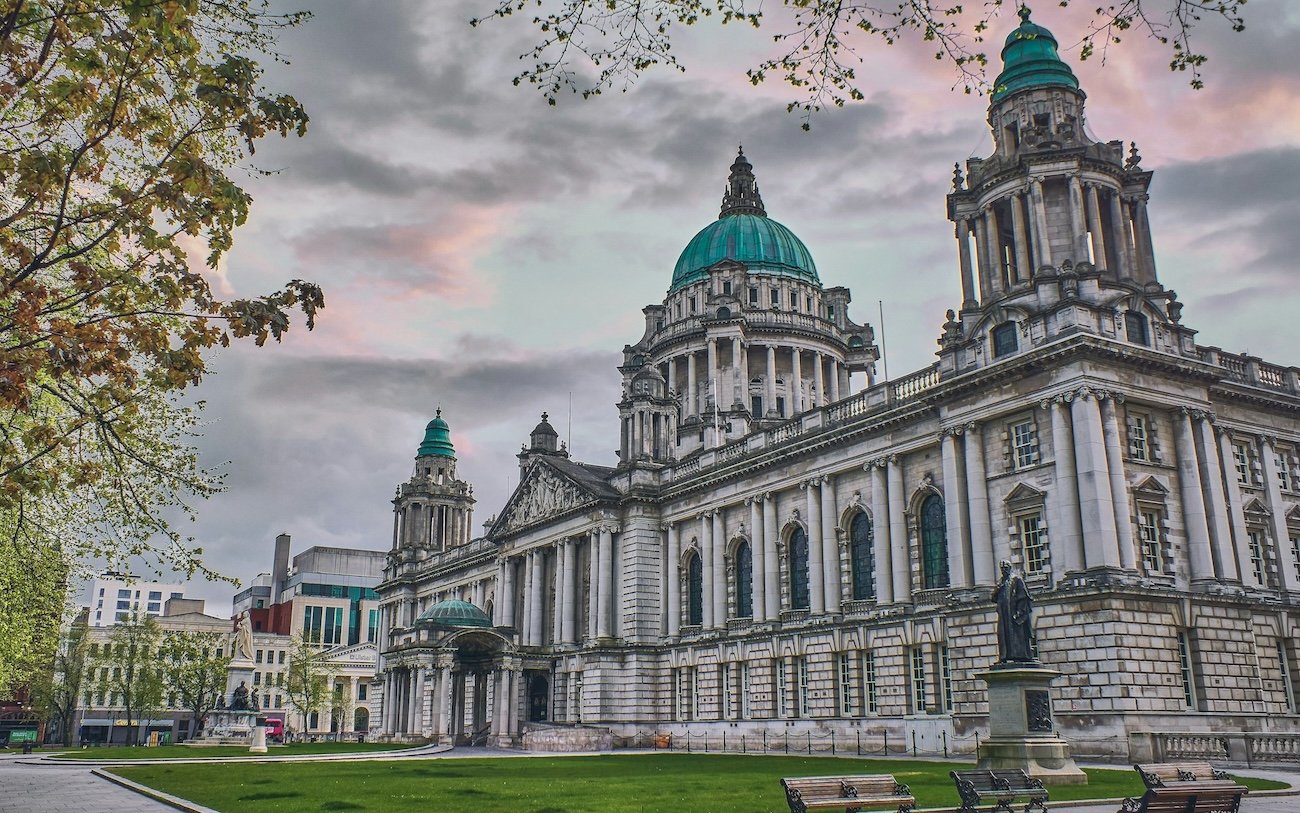 Photo by K. Mitch Hodge on Unsplash
