
You may be surprised at the beauty and the sordid history that you’ll learn from Tunis.
Just when you’re about to cross off Tunisia on your list, I wanted to show you what you’d be missing out on. Tunis, the capital of Tunisia, is filled with tons of must-see’s and tasty eats. To provide a quick rundown, I came up with the top five things that I did during my trip in February, to give you a taste of what you will see. You may be surprised at the beauty and the sordid history that you’ll learn from this city of survival.
1. Spend a few hours at the Bardo National Museum.
As one of the largest museums in Africa, the Bardo National Museum is NOT to be missed in Tunis. To really dive into everything that the museum has to offer, a few hours at this place is definitely required. Here you’ll find the famous Blue Koran, ceramics from North Africa and Asia Minor. Especially if you want a comprehensive understanding of Tunisian history, the museum traces through several civilizations back via various archaeological periods. The building itself was a former 15th century Hafsid Palace, there are plenty of marble statues that represent the Roman gods and emperors. Almost the entire museum covered in extravagant and large collections of beautiful Roman mosaics which symbolize the everyday life in Roman Africa. Some of my personal favorites are the the breathtaking Carthage Room, Sousse Room, the d’Althiburos Room, and the Painted Wooden Ceiling.
 Photo: Wendy Hung
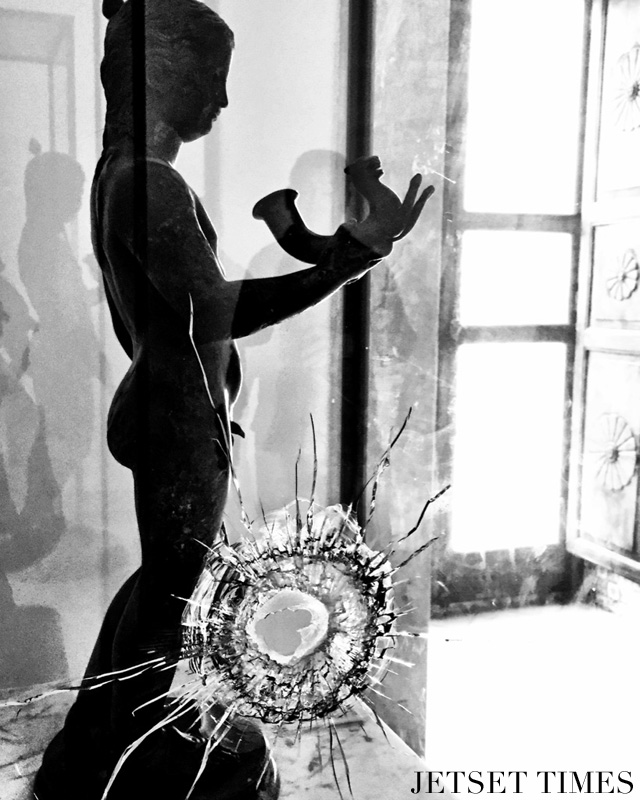 Photo: Wendy Hung
2. Wander through the artsy Sidi Bou Said.
Then, just about 20 kilometers north from Tunis is a gorgeous little town called Sidi Bou Said. Nowadays attracting many tourists, Sidi Bou Said is known for its unique blue and white architecture. Back in the day, this place used to hub well known artists such as Paul Klee. When you find yourself wandering through its tiny alleys, make sure to souvenir shop since the main street is lined with boutiques and try different types of local foods like these Tunisian donuts. They’re soaked in honey and lemon syrup and fragrant with orange blossom water, super delicious!
Now, we hear something very common in Islamic countries, a prayer call.
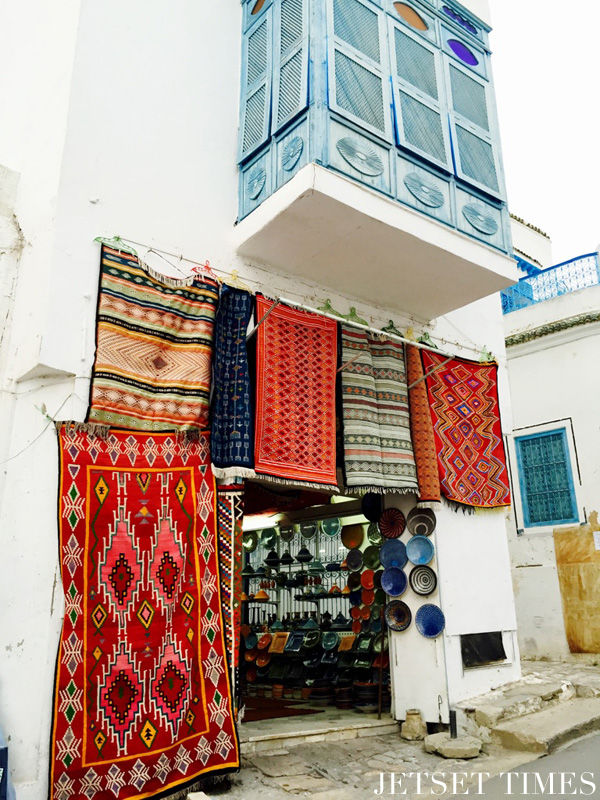 Photo: Wendy Hung
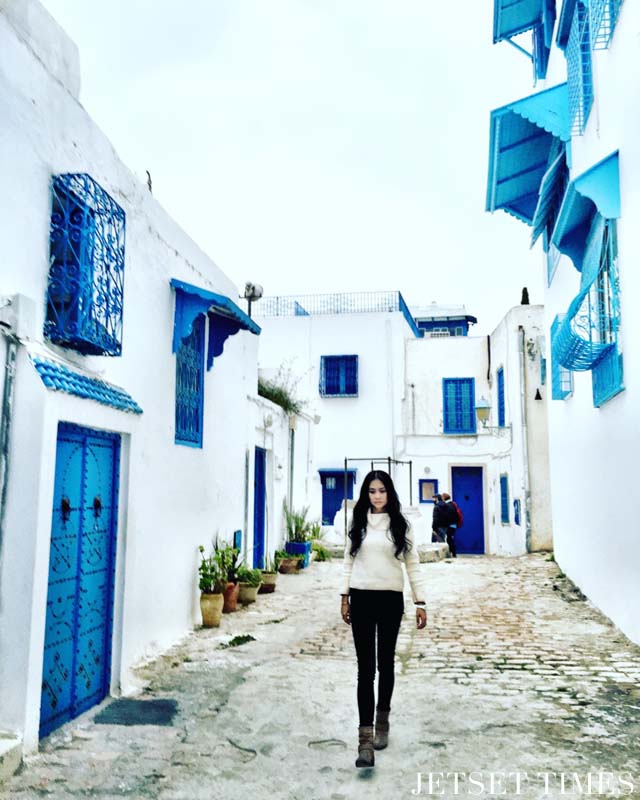 Photo: Wendy Hung
3. Check out the Carthage Museum.
The Carthage history is a huge part of Tunisian roots during the Punic and Roman eras. During the first millennium BC, Carthage was established from a Phoenician colony that grew into a dominating power in the Mediterranean. The Carthage Museum showcases art and artifacts that extends even to the Christian and Byzantine periods.
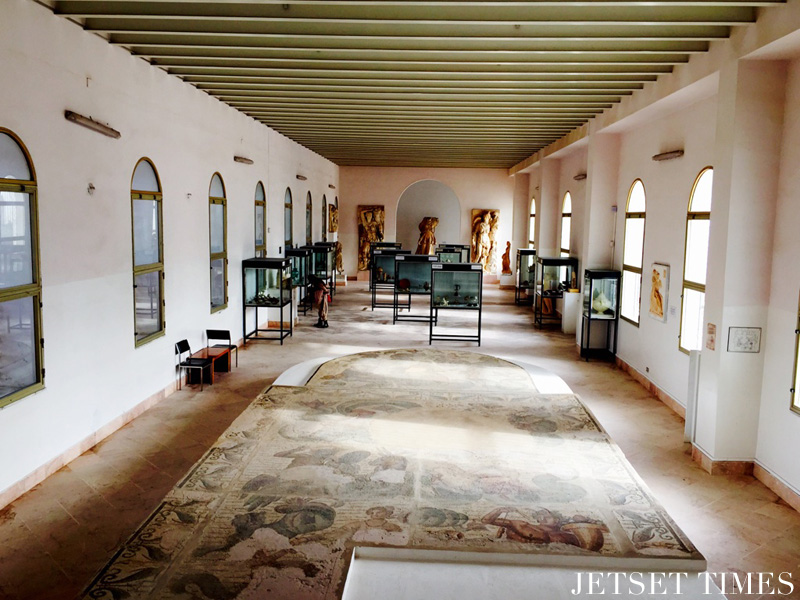 Photo: Wendy Hung
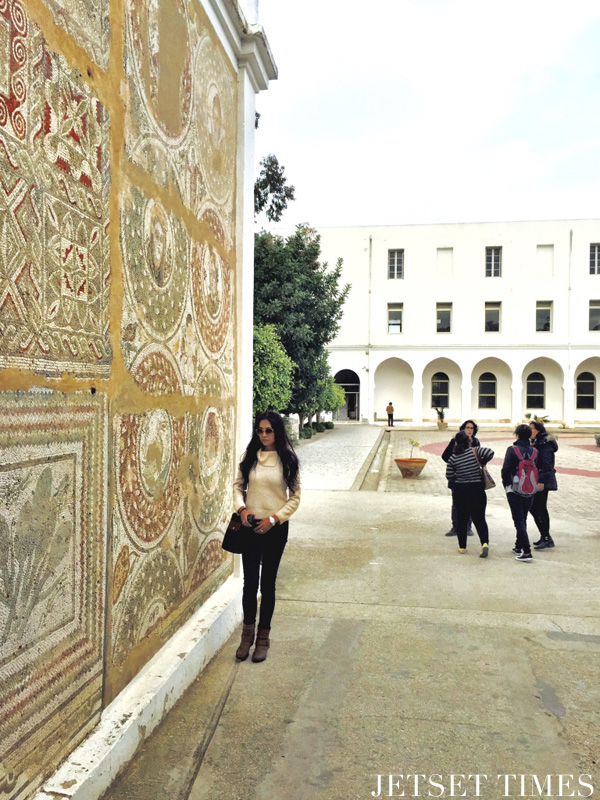 Photo: Wendy Hung
4. Visit the Tophet of Carthage.
Not to be morbid, but another must-see place in Tunis is also listed as a UNESCO World Heritage Site. Tophet of Carthage is a Phoenician sacred ground where you can see tons of child graves. According to research, these children were killed or buried after an untimely death.
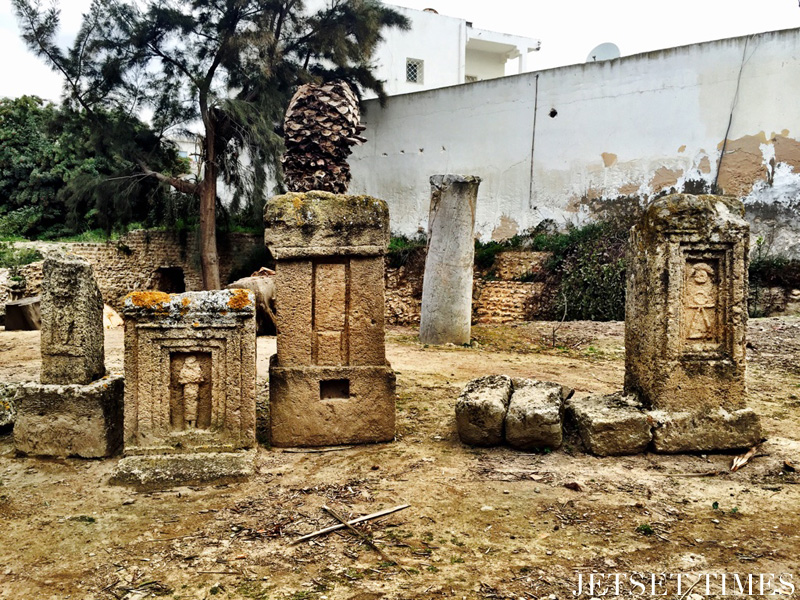 Photo: Wendy Hung
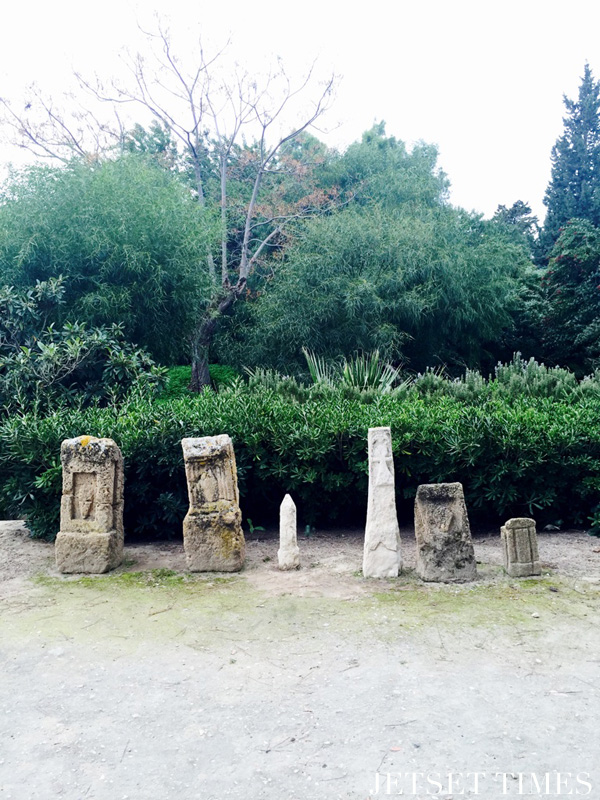 Photo: Wendy Hung
5. See the baths of Antoninus.
When you come to Tunisia, be prepared to see A LOT of archeological sites. One famous one is the imperial baths of Antoninus which has the largest set of Roman thermal baths build in Africa and one of the three largest during the Roman Empire.
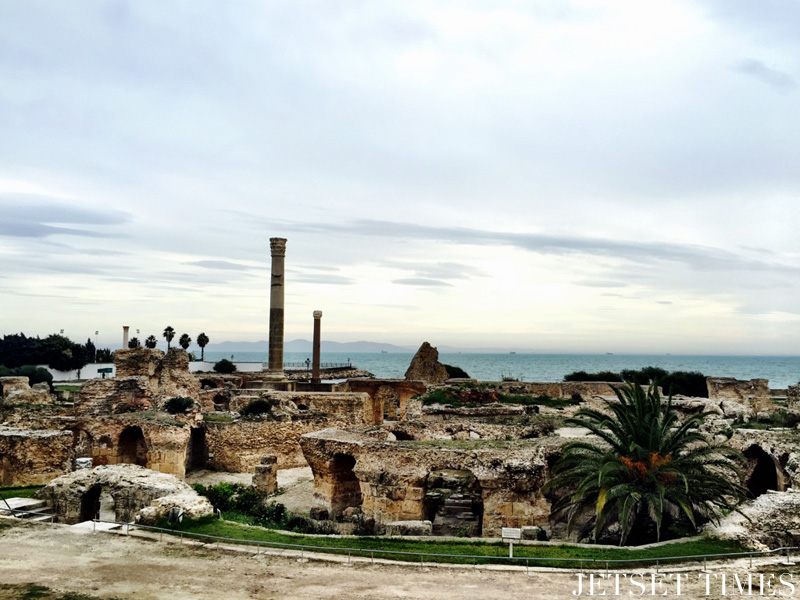 Photo: Wendy Hung
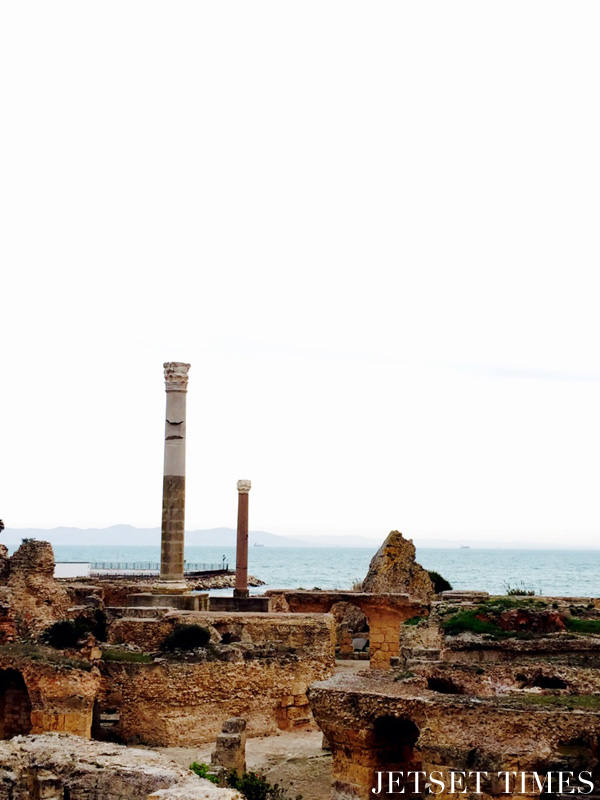 Photo: Wendy Hung
