
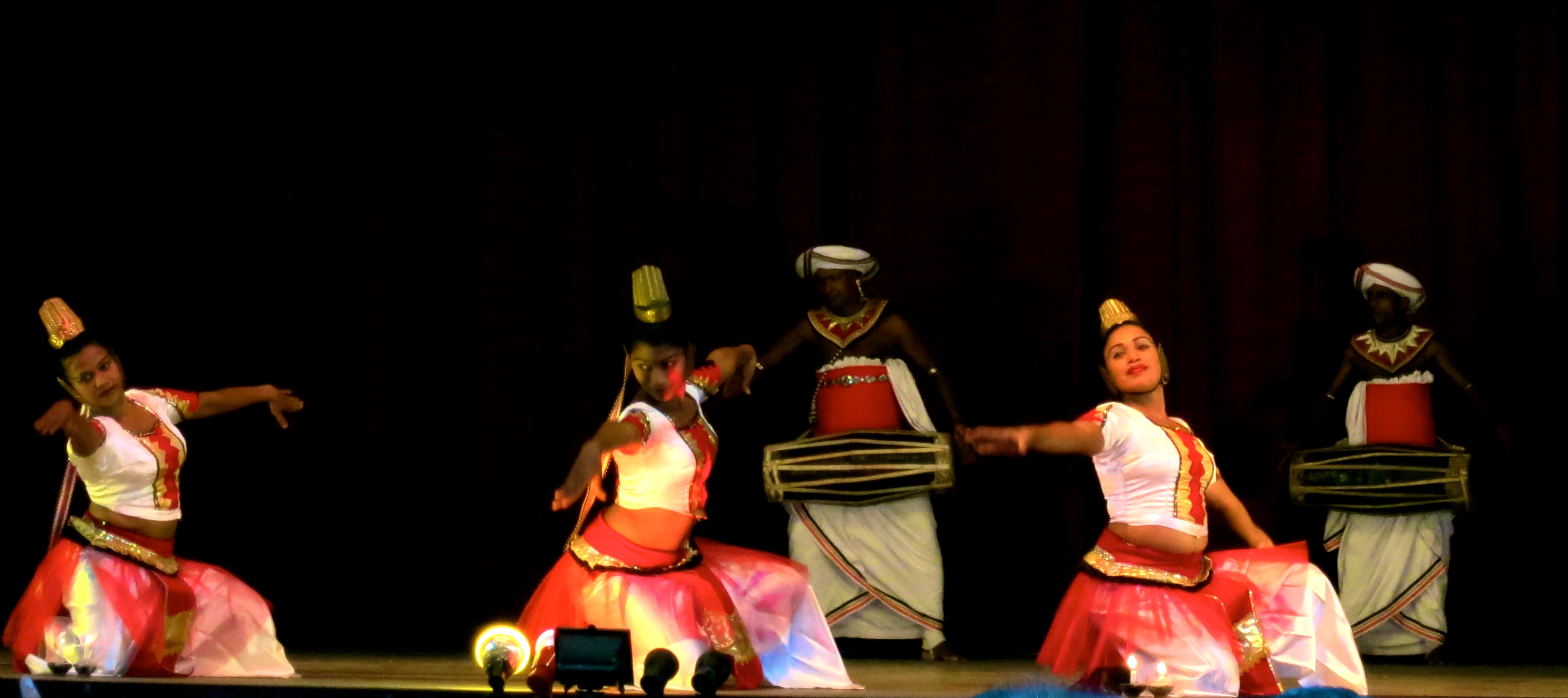
Watching the Kandyan dancers in Sri Lanka’s old capital, I felt as if I was being transported to another era.
Traveling never fails to deliver a plethora of moments when you feel totally alive – those moments when you not only see, but you hear, you smell, you feel the air around you and your own self reacting to it. A breathtaking view, a wonderfully serene atmosphere, a crazy night out–all of these things can bring about that moment of profound sense of being. However, even amidst these marvels, the occasion is rare that one encounters a scene so poignant that it transports one back in time–back to age-old traditions, cultures from the past. This, I believe, is the true journey: trysts with ancient peoples, a rendezvous with history.
Watching the Kandyan dancers in Sri Lanka’s old capital, I felt as if I was being transported to another era. An indescribable calm washed over me as I allowed myself to be sucked into the dreamscape of the dancers. The performers were wizards toying with time; now slowing down time to match deliberate movements so that a minute seemed to pass at the pace of hours, now speeding up into dynamic acts where minutes fled by in seconds. The carefully woven polyphony create a magical, trancelike effect that made me forget time and place, transporting me into a beautifully serene realm of dance and song. There is something so evocative of old traditions. It transcends time, place and even familiarity with the culture itself and tells the story of its people and history in a way that is often universally relatable.
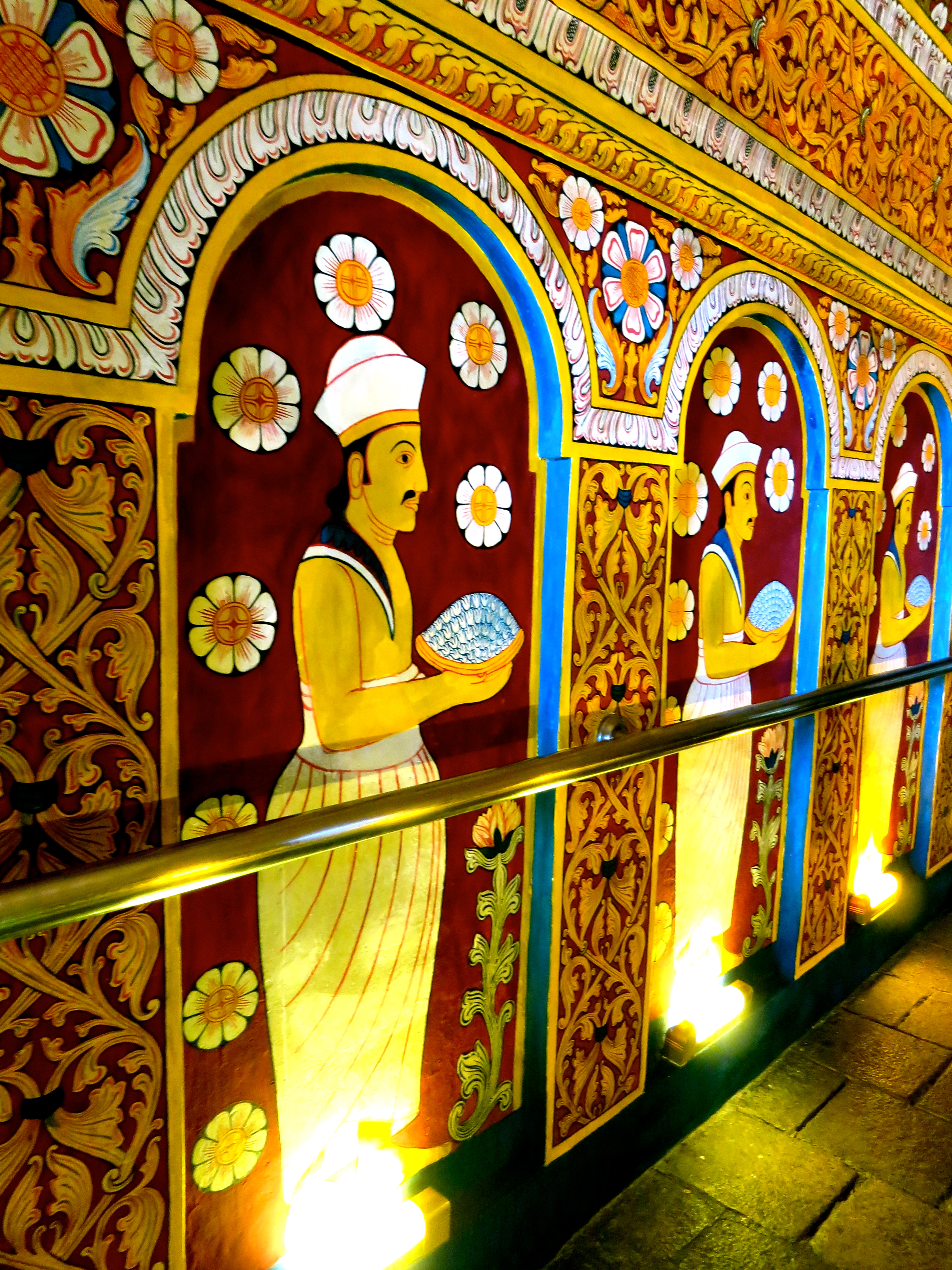
Originally said to have derived from an elaborate exorcism performed for the prince by a group of Indian shamans, the Kandyan dance is a spectacle involving intricate movements and colourful costumes. Separated into several acts, it transitions between exciting, dynamic performances and slower, more graceful ones by dancers clad in beautifully carved masks. The performance opens with a piece on the drums, followed by an elegant dance by four women. Next comes a series of more lively acts; men jumping around performing acrobatics, tossing spinning discs, and performing a series of deliberate movements wearing the famous traditional masks. A final on-stage act concludes with animated music incorporating cymbals and traditional singing that becomes more and more climactic with each resounding drum beat. Each act involves tasteful costume changes, complex rhythmical transitions and dance steps that evoke different sensations and moods.
The true, final act of the whole performance is not performed on stage but in the space between the stage and the audience: the two fire dances, performed back to back by two men. First, the Kandyan dancers hold up torches lit on fire, brushing them on their bare skin and placing them into their mouths with swift, dance like movements in synchrony with the beat of the drum. Next, a third man brings onto the platform a stretcher-like construction laid out with piping hot coals, fanning it to scatter the ashes and bring the red coals to the surface. The two men, simultaneously juggling the fire-torches, walk across the stretchers with powerful footsteps multiple times, now stopping in the middle of the stretcher to juggle, now coming close to the audience to flaunt their skills. The show comes to a close with a blast of fire from the torches that is synchronised with the final sound of the drum, a sound that resonates into the ensuing silence, as the heat from the fire remains long after the dancers are gone.
The best kind of performance is the kind that stays with you long after it is over. Something that shakes you entirely out of your shell of everyday life, and leaves you with an empty feeling inside; that is so filling to your soul that it leaves you feeling heavy, like a morning-after hangover. But it is better still when such a performance is stumbled upon on a journey, and takes you on a trip not only into the realm of different cultures, but through time itself.
Article written by Chihiro Isozaki.
