
Mozambique is located in south east Africa along the Indian Ocean and it’s a hotspot for scuba divers and beach lovers.
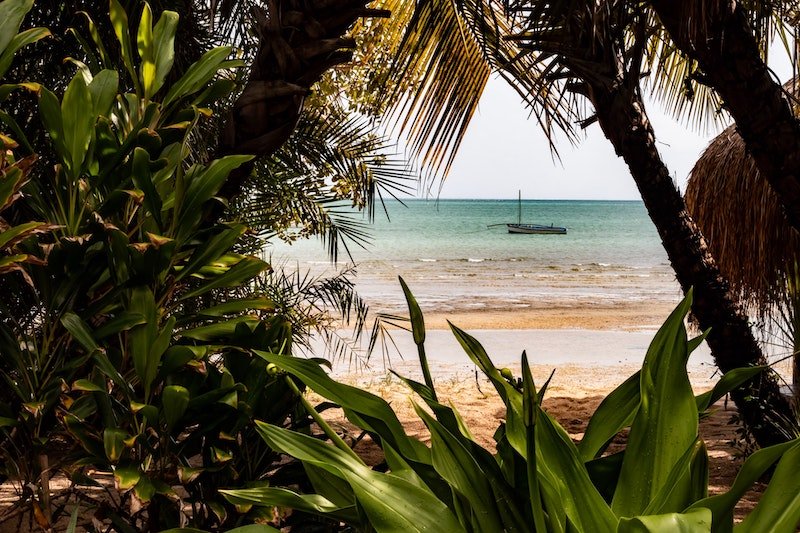 Photo by Dan Maisey on Unsplash
Tourists often underestimate it as a holiday destination and opt for more popular alternatives such as South Africa, Kenya or Rwanda. However, Mozambique is dotted with stunning beaches, has a varied marine life, an interesting historic past and a rich culture.
There are traces of the many civilizations that lived and ruled the country. It was inhabited by the Bantu tribes and, even before the arrival of the Portuguese, it was an important trade centre between other African countries. The Portuguese settlement started in the late 1490s with Vasco da Gama’s arrival and lasted until 1975, when Mozambique got independent from Portugal.
At Bonzah we love suggesting new places for you to discover, destinations that may be off the radar but are definitely worth a visit. That said, we’ve compiled some of the most remarkable attractions that you can’t miss while in Mozambique.
Visit Maputo, Mozambique’s Capital City
Maputo, Mozambique’s capital, is the country’s largest city and your likely entry point to this African country. It’s a melting pot of cultures and a quick stroll along its historic downtown is a great way to enjoy this amazing mix.
Despite its relatively small size, there are plenty of attractions that will give you no chance to get bored. From its picturesque railway station to its notable cathedral or the Natural History Museum are just a few of them.
Nestled at the mouth of the Santos River, we suggest you take a walking tour to explore its numerous attractions and well-preserved Portuguese colonial architecture. Nowadays, it’s a city that strikes the right balance between tradition and modernity and it’s a great destination for those interested in culture and family life. Maputo is lively, warm, vibrant and breathtaking and it will probably be the hub of your trip. There’s an interesting range of hotels and restaurants catering to tourists and a vibrant cultural scene.
Train lovers and architecture fans can’t miss Maputo’s Central Train Station. It stands out because of its beautiful green colour and unique architecture. Its dome was designed by an associate of Gustave Eiffel and there are also impressive wrought-iron latticework, pillars and verandas. It’s a monumental building and it’s also considered a historic landmark. Built between 1908 and 1916 to replace the city’s first train station, Maputo Central Train Station is a fine example of Beaux Arts architectural style.
The Fortress da Nossa Senhora de Conceição was built by the Portuguese colonists in 1787. There are lots of cannons in it and it’s quite an interesting highlight in Maputo. History lovers will enjoy exploring the small museum with some artefacts related to the colonial history of Mozambique and Mozambican culture. It’s one of the oldest and most important structures in town and it offers an interesting glimpse into Maputo’s colonial history.
Art lovers should spend some time wandering the exhibition halls of the National Art Museum and its excellent collection of paintings and sculptures by Mozambique’s finest contemporary artists, including Malangatana, Selyastsina Thomas, Victor Sousa, Nagib Mukavele and Alberto Chissano amongst others.
The Natural History Museum is worth a stop at least only to see its stately Manueline architecture and its beautiful garden with a mural by Malangatana. Exhibits include some taxidermy specimens combined with interactive computer terminals, a small ethnography exhibit, fossils and a fascinating display of elephant’s foetuses. Founded more than a century ago, it’s the perfect place to soak up the cultural and historical identity of Mozambique.
If you’re into religious buildings, you can’t miss the Cathedral of Our Lady of the Immaculate Conception. It’s a monument to the Portuguese religious and colonial influence,culture and architecture. With its simple but imposing lines and soaring white spire, it’s one of the most attractive buildings in the city. Built in 1944 in the Art Deco style, it has stunning paintings representing the Portuguese settlers, stained glass windows and a detailed altar. Located on the Praca da Independencia in the Central District of Maputo, it’s the seat of the Archdiocese of Maputo.
Don’t Miss Maputo National Reserve
Maputo National Reserve, located in Maputo province inside Matutuine district, was originally established to protect the elephant population in the area but soon its purpose was expanded to include the protection of other larger mammals and it’s now acknowledged for its wide biodiversity, especially of the coastal areas of the Tongaland-Pondoland biogeographical region. It’s a must-see place in Mozambique as it is the closest place to the capital where you can go to experience Mozambique’s bush. .
Maputo National Reserve is a spectacular area that includes wetlands, grasslands, swamp forests and mangrove forests all combined with a pristine coastline. It supports an exceptionally high number of endemic species of fauna and flora, some of which are endangered. Amongst the animals you can spot here we can mention: elephants, giraffes, zebras, hippos, antelopes and more than 350 species of birds.
Mozambique Island
Mozambique Island or Ilha de Mozambique is located in northern Mozambique between the Mozambique Channel and Mossuril Bay and it used to be an important Portuguese trading post on their route to India and it’s now a UNESCO World Heritage Site. Famous for its splendid sandy beaches and rich history, it’s one of the best places to visit in the country. It’s a melting pot of cultures thanks to its Portuguese, African, Swahili, Indian and Arab influences and it attracts visitors with its fascinating history, cobbled streets and colonial buildings.
Some of the most remarkable buildings are the Chapel of Noss a Senhora do Baluarte (probably the oldest surviving European building in the southern hemisphere), the Fortress of St Sebastian and the Palace of Sao Paulo. With its rich history and sandy beaches, it’s one of Mozambique’s fastest growing tourist destinations; there are 14000 people living there permanently and it is served by Lumbo Airport and the Nampula mainland. In the 1960s, a 3km-long bridge was built to connect it to the mainland so you can easily reach it by car.
On a beach on the northern end of the island there’s a dive centre where visitors can take boat trips or just lie on the sand. It’s quite small in size so you can easily explore it by foot.You can also take lovely boat trips, take adventurous trips on dhows or sunbathe.
Go Island Hopping at Bazaruto Archipelago
Located in southern Mozambique, Bazaruto archipelago consists of 6 islands and it gets its name after the largest of them. They are an idyllic place with white sandy beaches and clear blue waters. All of them are protected in a stunningly beautiful marine national park.
Bazaruto archipelago is the place to go for anyone who loves snorkelling and diving. It’s quite easy to spot sea turtles, devil rays, manta rays, humpback whales, whale sharks, leatherback turtles, dugongs and game fish! It’s also the place to go if you are into sunbathing, scuba diving, water-skiing, sailing or deep-sea fishing. The fresh water lakes are home to flamingos, mangrove crabs, samango monkeys and fresh-water crocodiles. Are you into birdwatching? Don’t miss the chance to observe some of the most fantastic birds in the Indic Ocean!
Reaching the islands is quite easy from the mainland. Simply head to Vilanculos and ride a boat or small aircraft. Head to Bazaruto, the largest island and climb up to the top of the Portuguese lighthouse that was built over a century ago. You’ll have spectacular panoramic views from up there!
Beach Lover? Go To Tofo!
Beach lovers will have a favourite spot in Mozambique: Tofo. Tofo is a coastal town in the south of Mozambique and it’s a popular beach destination especially amongst young travellers. It seduces people with clear waters that are great for snorkelling and diving, good waves for surfing and a nice laid back atmosphere.
Tofo is also famous as the whale shark capital of Africa and it’s one of the best places to admire these marine giants.
Despite its relaxed vibe, there’s plenty to do here. Going on an ocean safari is one of the most popular activities in the area; you can go out at sea and admire and swim next to manta rays, dolphins, whale sharks and turtles.Tofo is also a paradise for scuba diving and snorkelling. The marine life surrounding its coral reefs is simply amazing and it gives you the perfect excuse to spend some time here.
Quirimbas Archipelago
The 31 coral islands that are part of the Quirimbas Archipelago are home to some of the most pristine marine life around and to some of the whitest sand beaches you’ve ever seen. They stretch south from Cape Delgado for 200 miles.They are very remote but the easiest way to reach them is to fly from Dar es Salaam in Tanzania to Pemba in Mozambique. Ibo is the main island in the archipelago and it offers an interesting mix of colonial history. These islands are protected in the Quirimbas National Park and they are famous for their fantastic diving sites.
Quirimbas islands, located close to the border with Tanzania, are slowly being developed as an exclusive tourist paradise. They offer great opportunities for sunbathing, deep-sea-fishing, surfing, bird watching, sailing, scuba diving and snorkelling. It’s also possible to spot lions, elephants, buffalos, wild dogs, humpback whales, dugongs, sharks and sea turtles!
Enjoy a Safari in Gorongosa National Park
No trip to any African country is complete unless you take part in a safari. And even though Mozambique’s safari opportunities are often overshadowed by the more famous wildlife areas in Tanzania, South Africa or Rwanda, the truth is that Gorongosa National Park in Mozambique offers an incredible safari experience. Situated at the southern end of the Great African Rift Valley, it’s in the heart of central Mozambique..
Intrepid tourists can have close encounters with elephants, hippos, lions and many species of antelope. There are also baboons, crocodiles, vervet monkeys and warthogs. Gorongosa is a beautiful park known for its variety of landscapes and ecosystems ranging from forest to mountains and open plains. Birds are also another major attraction.
If you have been to African safaris in the past you’ll probably notice that the infrastructure at Gorongosa is still being rehabilitated after the destructive years of the civil war. However, lodges are very nice and comfortable and wildlife is definitely coming back.
