Las junglas in Chiapas, Mexico.
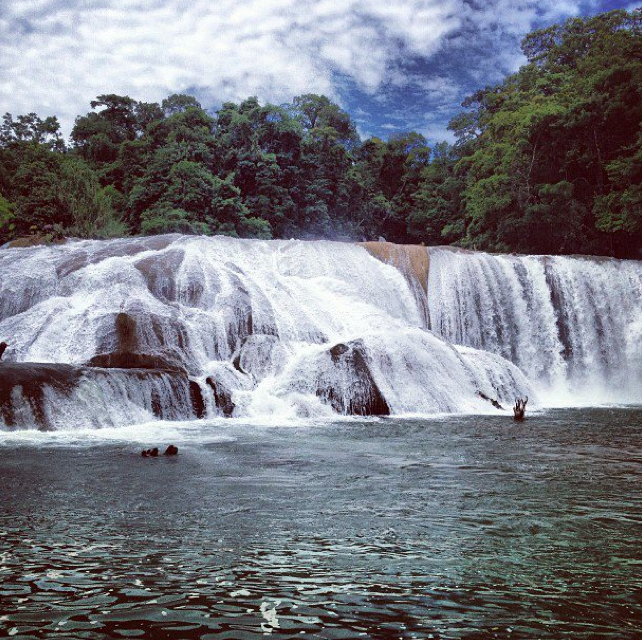
In San Cristobal de las Casas, we packed light clothes the night before in anticipation of the 97 degree, 98% humidity we would encounter. The tour bus arrived promptly at 6:15am on Saturday morning, and we proceeded to sleep through the stomach-weakening, heart-wrenching road to our first stop at Reserva Agua Azul. The high mineral content of the water makes it a glowing turquoise color, but we happened upon the site after a severe storm that left the water grey and green.
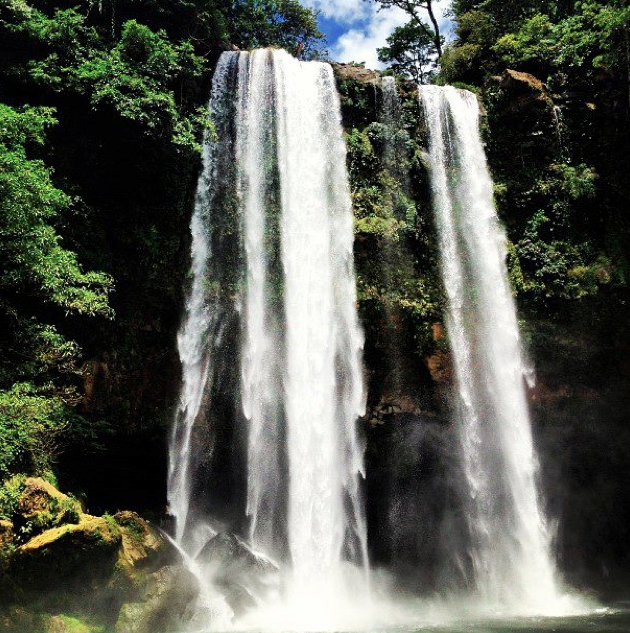
The next site, Misol-Ha, was another hour away down a staggeringly steep road and we were all anxious to get to the main attraction of Palenque. Upon arrival, we quickly realized the folly of our rush – the 50-meter waterfall, dense forest, and surrounding caves were breathtaking. Taking time to enjoy the sound of rushing water and exploring the caves was a good reminder to slow down and enjoy our time in nature, away from the bustle of the San Cristobal.
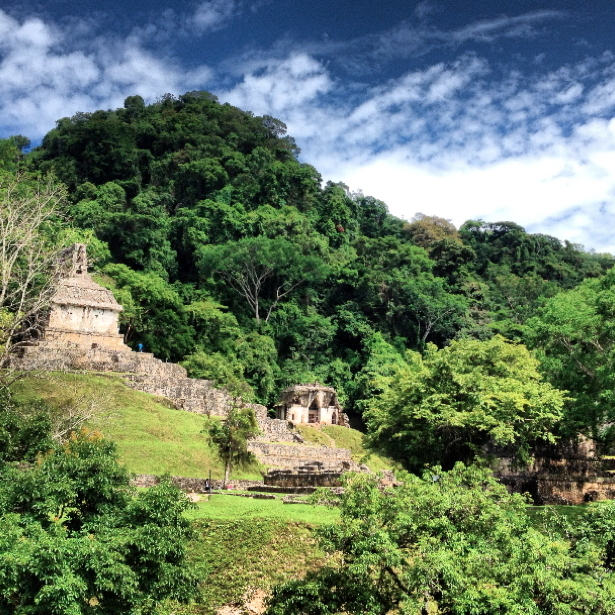
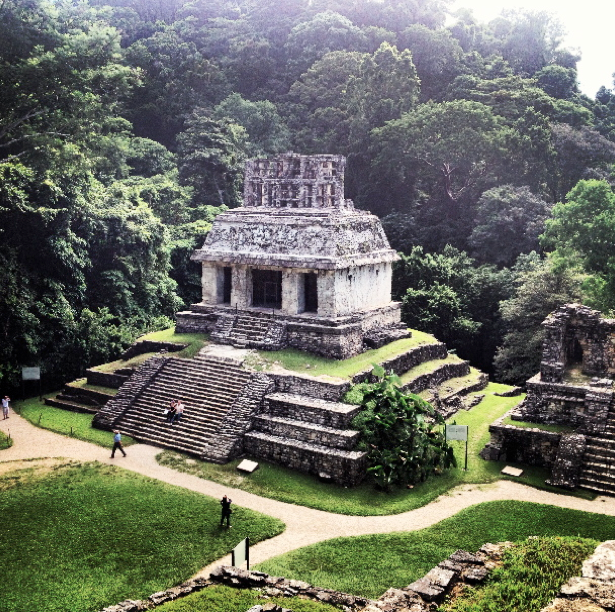
After an hour, we got back in the bus for the last leg of our trip to the Palenque ruins. It was around 2pm when we arrived, and the heat and humidity was overbearing. We quickly decided to join the group and pay 50 pesos (less than $5USD each) for a guide, since we didn’t know what we were getting ourselves into.
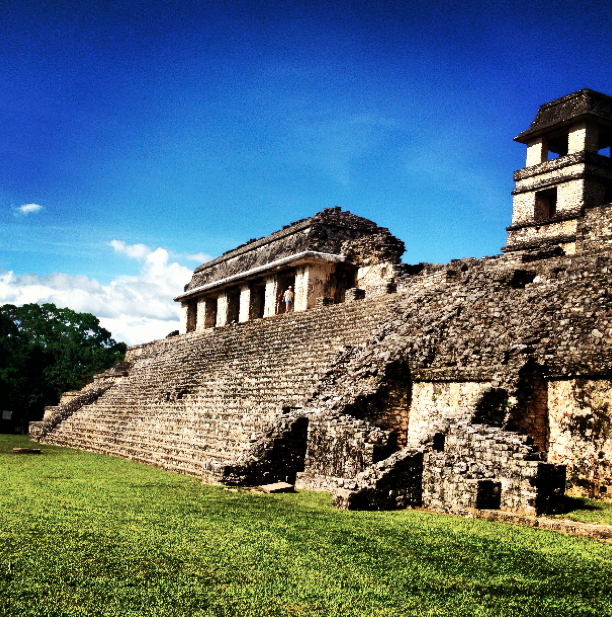
Although it turned out that the paths are fairly easy to navigate, it was useful to learn about the history of each of the 24 uncovered temples. The guide told us that only about 10% of the compound has been formally “discovered” thus far, due to the impenetrable surrounding jungle.
Each building served a different purpose – some for religious proceedings, others more mundane residential housing. Although Palenque is small compared to other Mayan ruin sites, the structures, art, and carvings are some of the best preserved in Mexico.
After about four hours of walking around, we were escorted back to the tour bus to get dropped of at El Panchan, a series of hostels, hotels, and resorts just outside of the Palenque reserve. We opted to stay at El Jaguar, a down to earth series of netted in wood structures in the heart of the forest. For a total of 200 pesos (about $6USD each), we each got our own bed in a clean room surrounded by jungle flora and fauna, including magical fireflies lighting the path to our room. At night, we got dinner and enjoyed fire dancers at the nearby restaurant Don Muchos while enjoying traditional food and Mexican micheladas, beer with salt, chile, and lime.
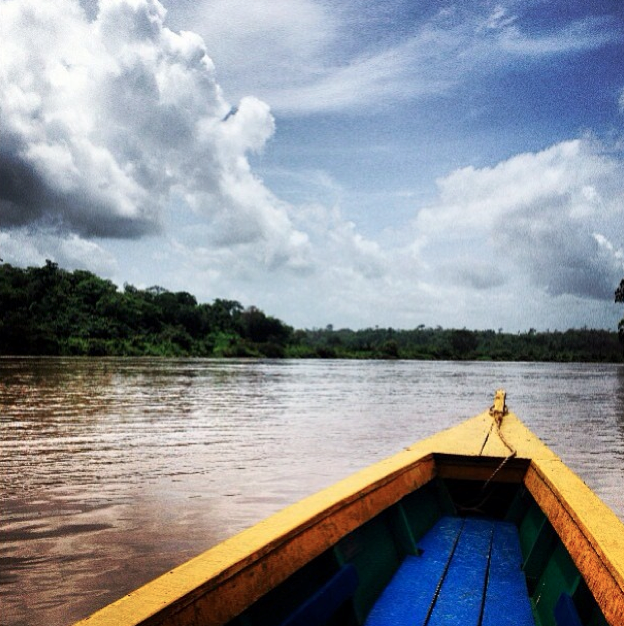
We woke at the crack of dawn to get picked up for the second day of adventure. We drove for several hours before arriving at the Rio Usumancita, which links several Mayan sites and flows through to the Gulf of Mexico. We took a 40 minute ride on a small motor-powered canoe down the river, which is a common point of arrival for illegal immigrants to Mexico from Guatemala and El Salvador, according to our navigator.
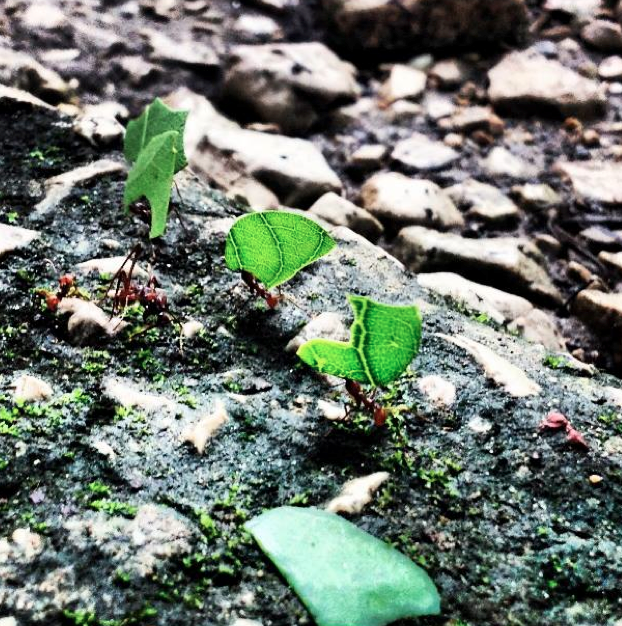
Upon arrival at Yaxchilán, we opted to explore the site independently in lieu of a 50 peso guide. We set out, following the barks of howler monkeys up to the Small Acropolis, a series of buildings nestled in the forest that lent a view of the monkeys in the distant canopy. We saw several colorful lizards, tree frogs, and leaf cutter ants from the top of the tallest structure. Not realizing the immense size of the compound, we stumbled across the Labyrinth, the most complex building made up of a series of maze-like levels with underground chambers.
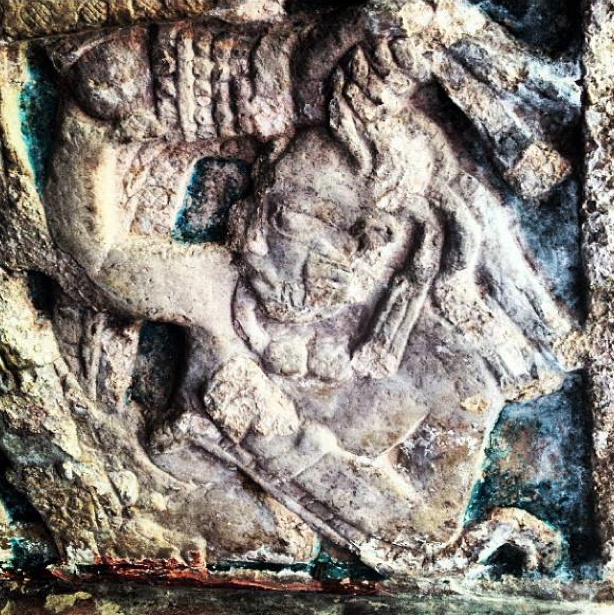
Three hours did not feel like sufficient time to investigate the many buildings on the site, but we had to depart for Bonampak to avoid the inevitable evening rainstorms. The Bonampak reserve, an hour drive from the river, is much smaller but offers similarly impressive structures. Perhaps most unique to the site was the immaculately well preserved art and carvings, with their original colors intact. Bonampak reached its peak in the late Classic period and is thought to have had good relations with neighboring Yaxchilán due to carvings and paintings depicting martial alliances.
The bus ride back to San Crisobal at 11pm departing from the Palenque bus terminal was painfully long, the massive bus pitching and swaying like a cargo ship over every bump in the winding road. We arrived at our hostel around 5am, and immediately fell asleep. Upon reflection and looking over photos in the morning, we were thankful for the opportunity to explore the cultural history, natural environment, and architectural gems of Chiapas.
Article written by Rebecca Peters.