
Why is nudity okay in a Japanese onsen but immodest to wear a tank top to the mall.
Whenever I travel around Europe, I never cease to be struck by the acceptable level of nudity everywhere I go. Teenage girls walk around in the Barcelona heat clad in denim shorts short enough for their back pockets to be showing; men jogging in parks make it a point to take off their shirts at every possible occasion. In beaches around the world, Caucasian women flaunt their perfectly tanned skin in bikini bottoms that hardly cover their butt cheeks, in many cases going sans bikini top to avoid tan lines. As an Asian girl raised by conservative parents, I am often made uncomfortable with this public display of nudity, and don’t know where to put my eyes.
On the other hand, whenever I go back to Japan, I always find myself having to cover up more than usual to avoid the disapproving eyes of everyone around me. While I am more conservative than my Western counterparts, growing up in an expatriate community in Singapore has made me a tank top and shorts sort of girl, and I have to remind myself that in Japan, tank tops are considered appropriate only when worn as an undergarment–underneath sheer materials and low cut tops as a form of cover up – or that if your skirt is above knee length, it’s usually a good idea to wear tights or leggings with it. Until this summer, I’d just accepted that in a very generic sense, eastern cultures were more conservative when it came to baring skin than western ones.
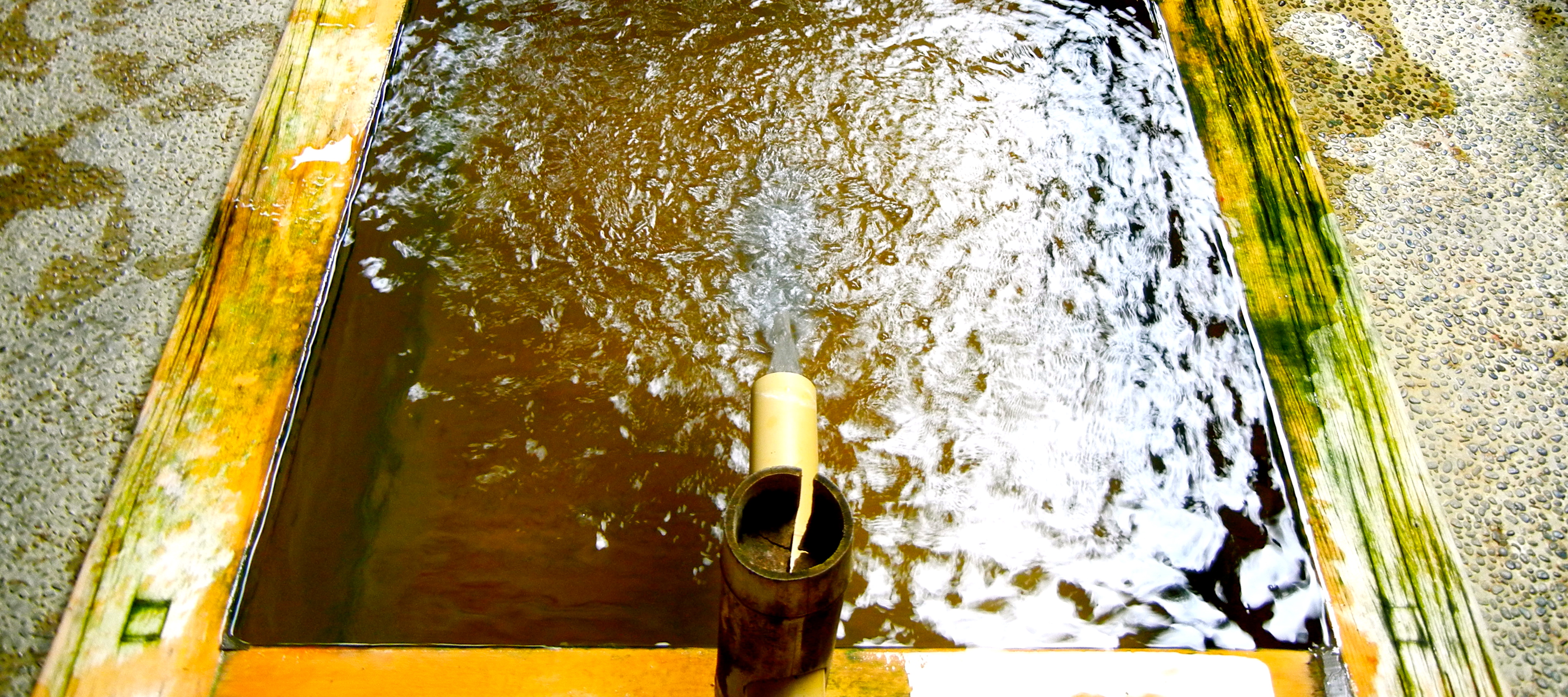
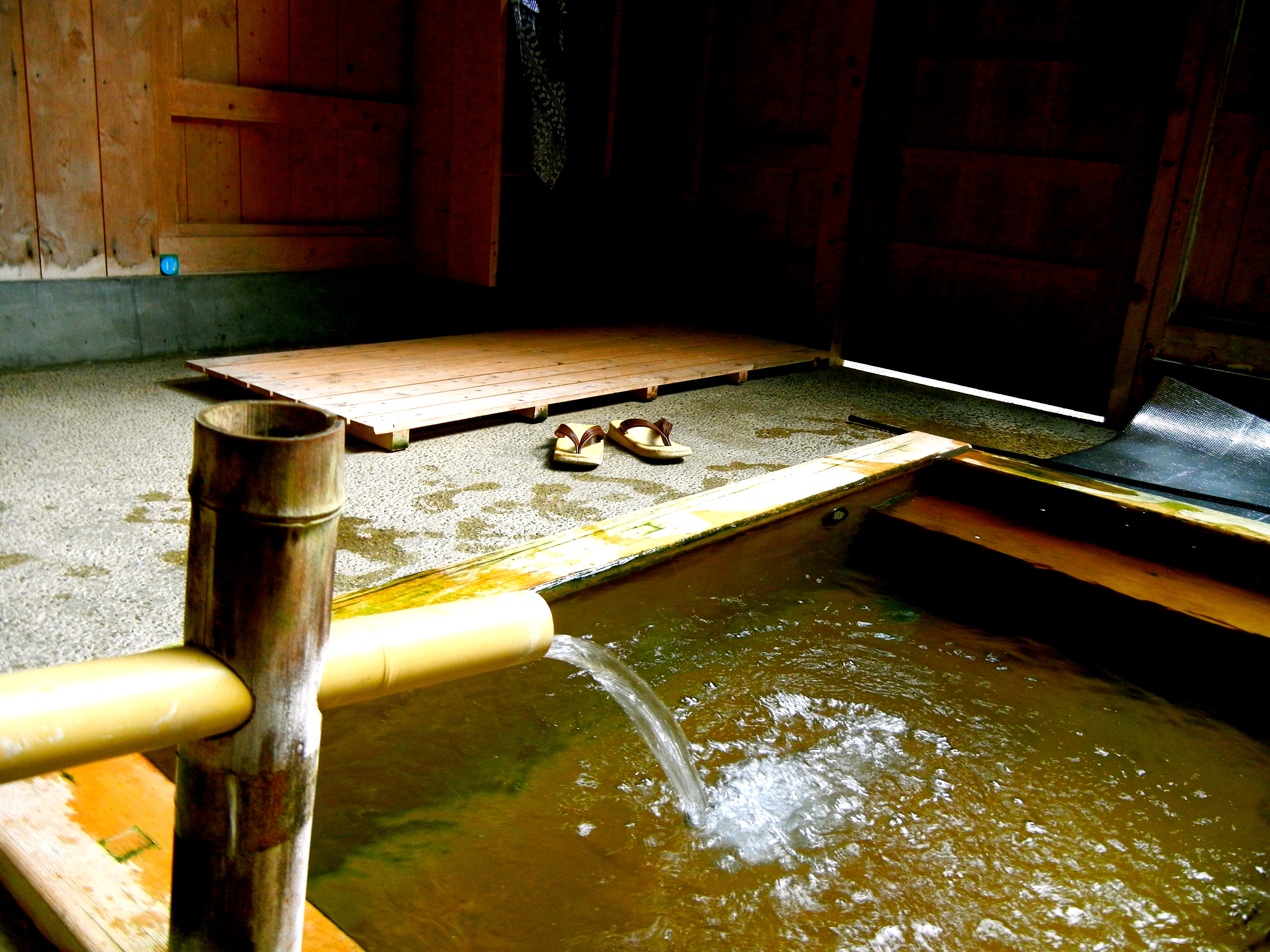
Yet a particular episode that occurred this summer made me change my views entirely. At a hot springs ryokan in Tokyo, three American women walked into the female changing room and started to change into their swimming gear. They were talking loudly, obviously not paying attention to the fact that everyone around them was stripping down to the nude. There was an awkward, waiting silence in the air, as everyone watched from the corner of their eyes and braced themselves for what the women would do next. Finally, a brave old woman with a heavy Osaka accent approached them, stark naked, pointing to a sign on the door leading to the hot springs that said in big, bold letters: “For hygiene reasons, strictly no clothing or swimsuits allowed from this point onwards.” The women stared at the naked woman in front of them and looked at each other, appalled. The oldest looking of the three women shrugged her shoulders, almost as if to say, “Well, what else are we supposed to wear?”
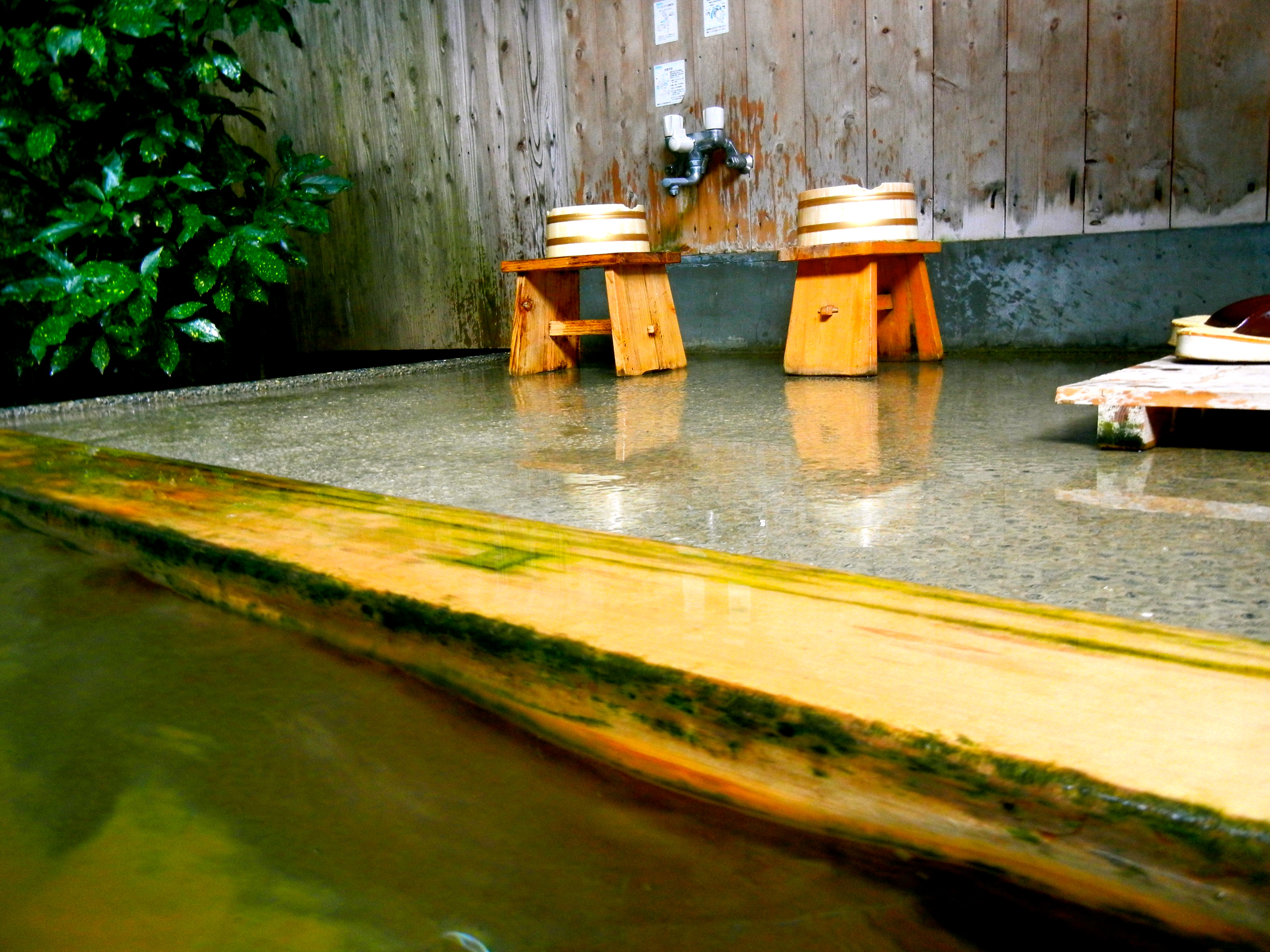
This episode left a strong impression on me and got me thinking. I had always thought that westerners had no problems with nudity, and it had never occurred to me before then that a custom that had seemed so natural to me as a Japanese–to strip before taking a bath–would be offensive and uncomfortable to the three women. I tried to dig down to the root of the problem. Was it that the women were merely displaying a lack of appreciation for different cultures? A discomfort in being in such an intimate setting with people of a different race or ethnicity? Perhaps though, their discomfort lay in the nature of the nudity that they had been confronted with. Communal bathing customs have been deeply rooted in Japanese culture for centuries. The atmosphere is familial and friendly, and everyone is expected to respect each other’s privacy through unspoken moral codes. Such codes protect the bathers from feelings of embarrassment or immodesty. Bathers are also expected to wash thoroughly before entering the onsen pools, so all of the guests can enjoy a clean communal experience. But for tourists not accustomed to these age-old unspoken rules, it can perhaps be a little daunting to expose all in front of complete strangers.
Who knew that there were differences not only in acceptable levels, but in acceptable forms, of nudity in different cultures? Having an open, understanding mind and a little adventuring spirit can perhaps help us to overcome such differences and enjoy a more immersed and worthwhile traveling experience.
Article written by Chihiro Isozaki. Photos taken by Drisana Misra.
