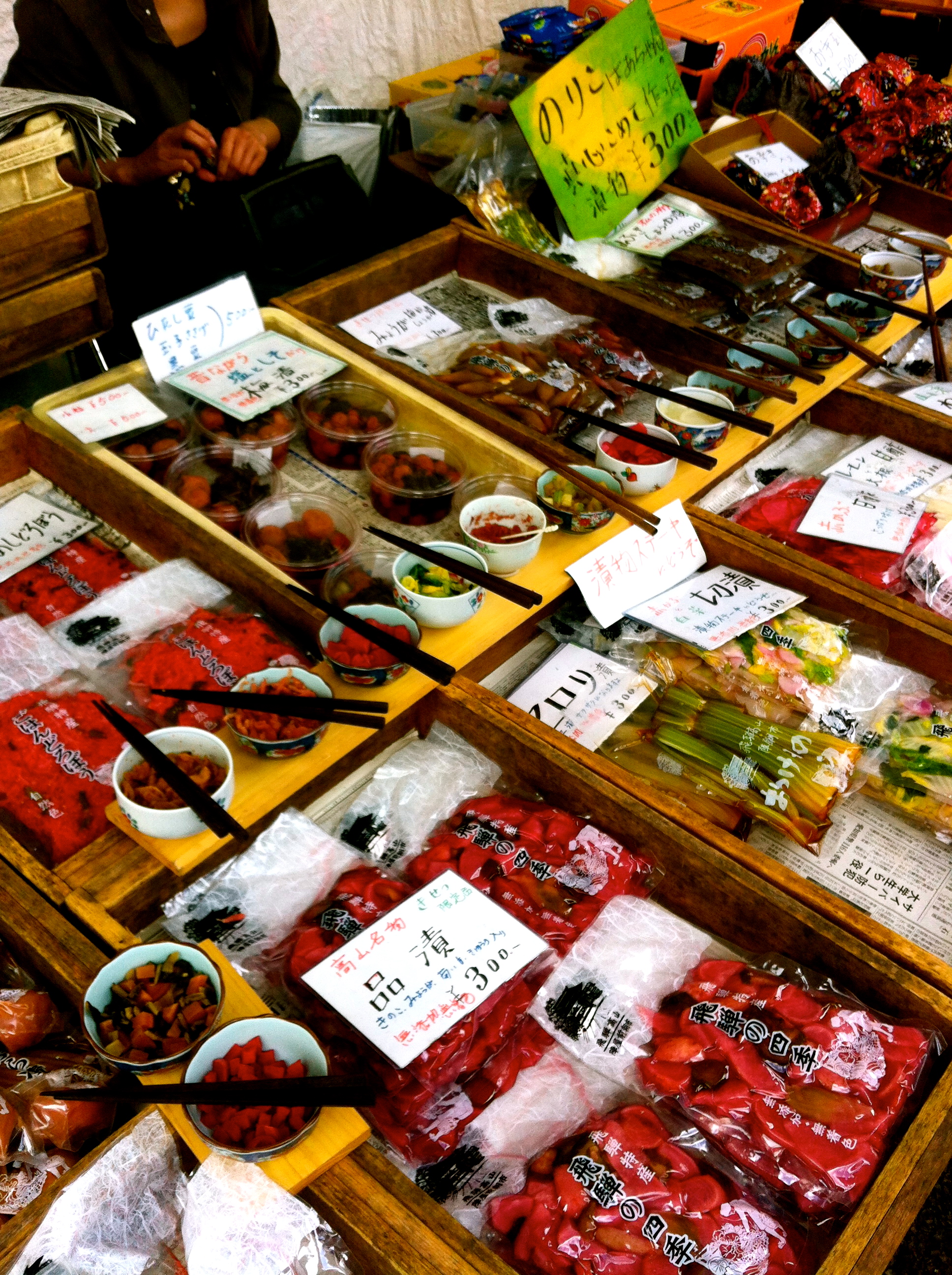
Omiyage, gift or souvenir in Japanese, provide the perfect overlap of pleasure and temporality.
I’ve heard it said that the surest way to a person’s heart is through his/her stomach. When it comes to traveling, I always want to bring a little piece of my trip home to friends and family. More often than not I end up listening to that time-tested saying and bringing home food as souvenirs.
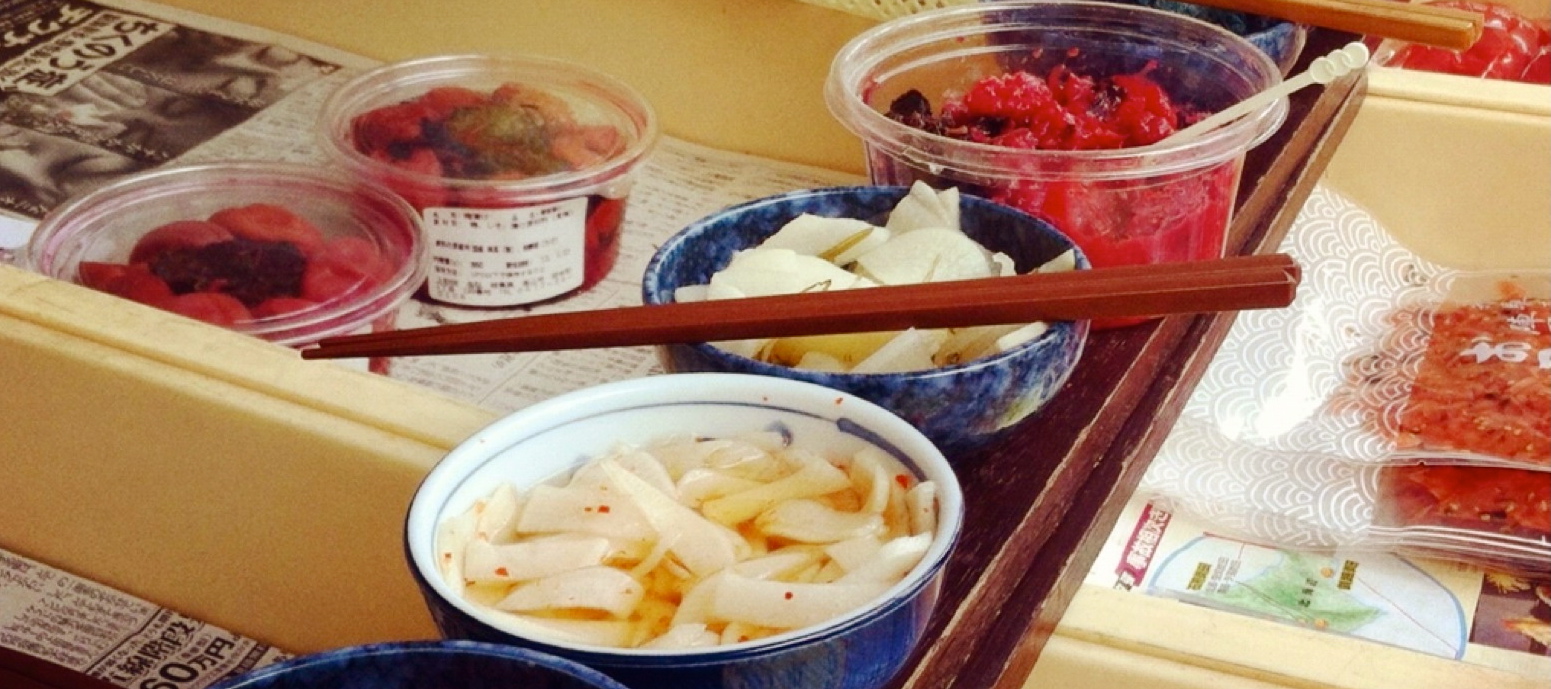
In Japanese culture, gift giving means those returning from a trip bring home samples of miso paste or sweet red bean filled dumplings to share with family, coworkers or friends. These souvenirs hold a different brand of sentimentality from a small license plate with your name on it, or a vial of sand attached to a keychain.
Omiyage, as they are called in Japanese, provide the perfect overlap of pleasure and temporality. Everyone can have a taste of a local delicacy from a distant place, and afterwards, it doesn’t endure to clutter a home. In terms of souvenirs, omiyage are the perfect edible alternative to a postcard. They are small bites plentiful enough to be shared with the people you love. After my visit to Japan, I looked forward to presenting little gifts of pickled gobo root or yuzu-scented miso to my family. I wanted to show my gratitude for their care, and bring back a slice of my side trips to share at the dinner table.
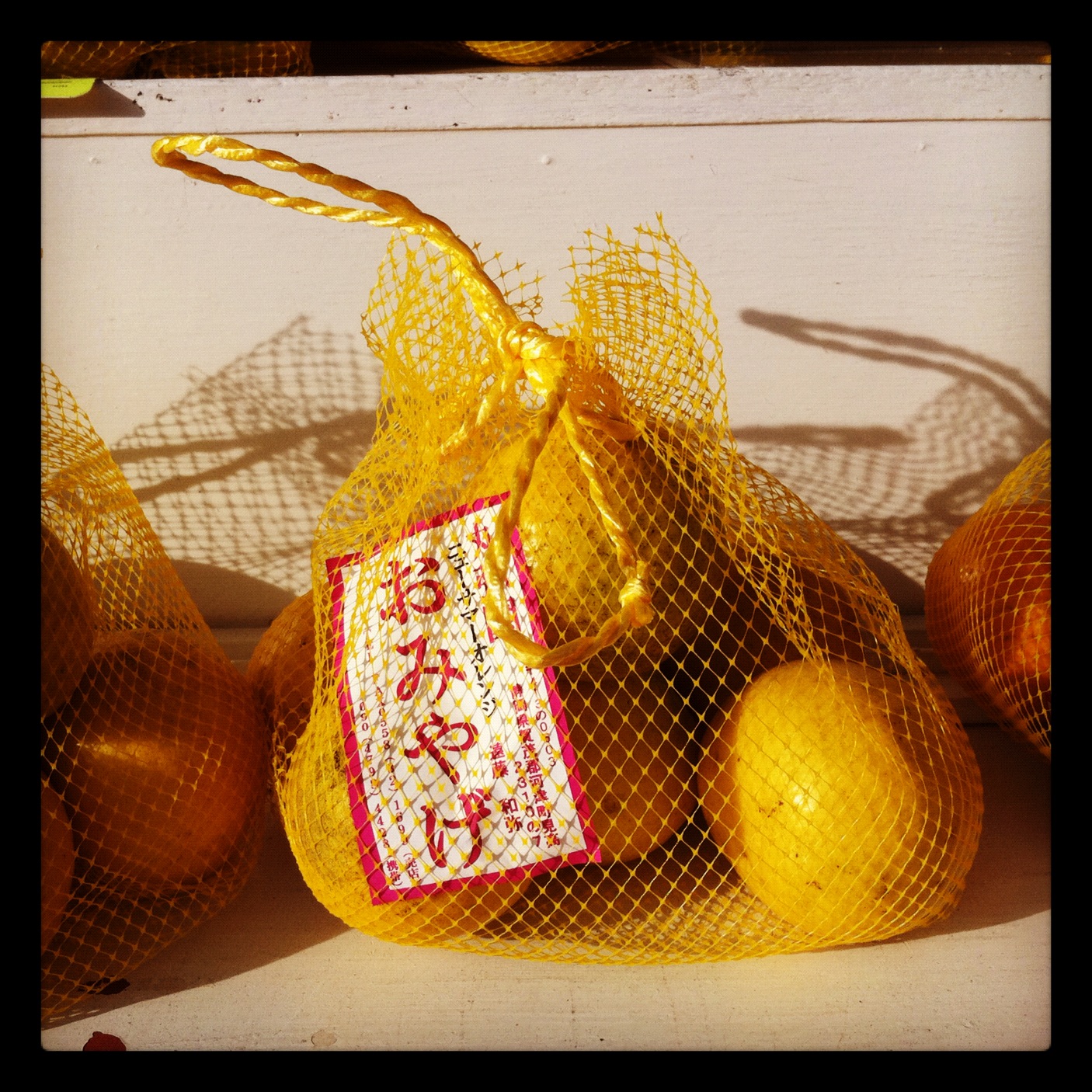
As it goes for Japanese custom, what you tote home does not matter as much as the intention of sharing that is tied to it. Someone will eat it, express thanks and assure you that it is delicious. What’s more, you could have bought your gift at a highway rest stop connected to a chain restaurant or at a mom-and-pop stand at a farmer’s market, and it would still be enjoyed and appreciated.
I have paused at Narita Airport in front of counters that sell the same candies that I purchased at a morning market in Wajima, feeling perplexed and just the slightest bit defeated. I could have bought my gifts just before boarding my flight home, but I was still happy to be carrying back the omiyage that were authentic to my journey. What I like most about this custom of gifting food as souvenirs is the chance to help goods exchange hands from the person who produced it to the person who can now enjoy it. In this way the lifetime of my travels are extended beyond their present moment and place, and beyond my experience alone.
Article written by Marina Kaneko.