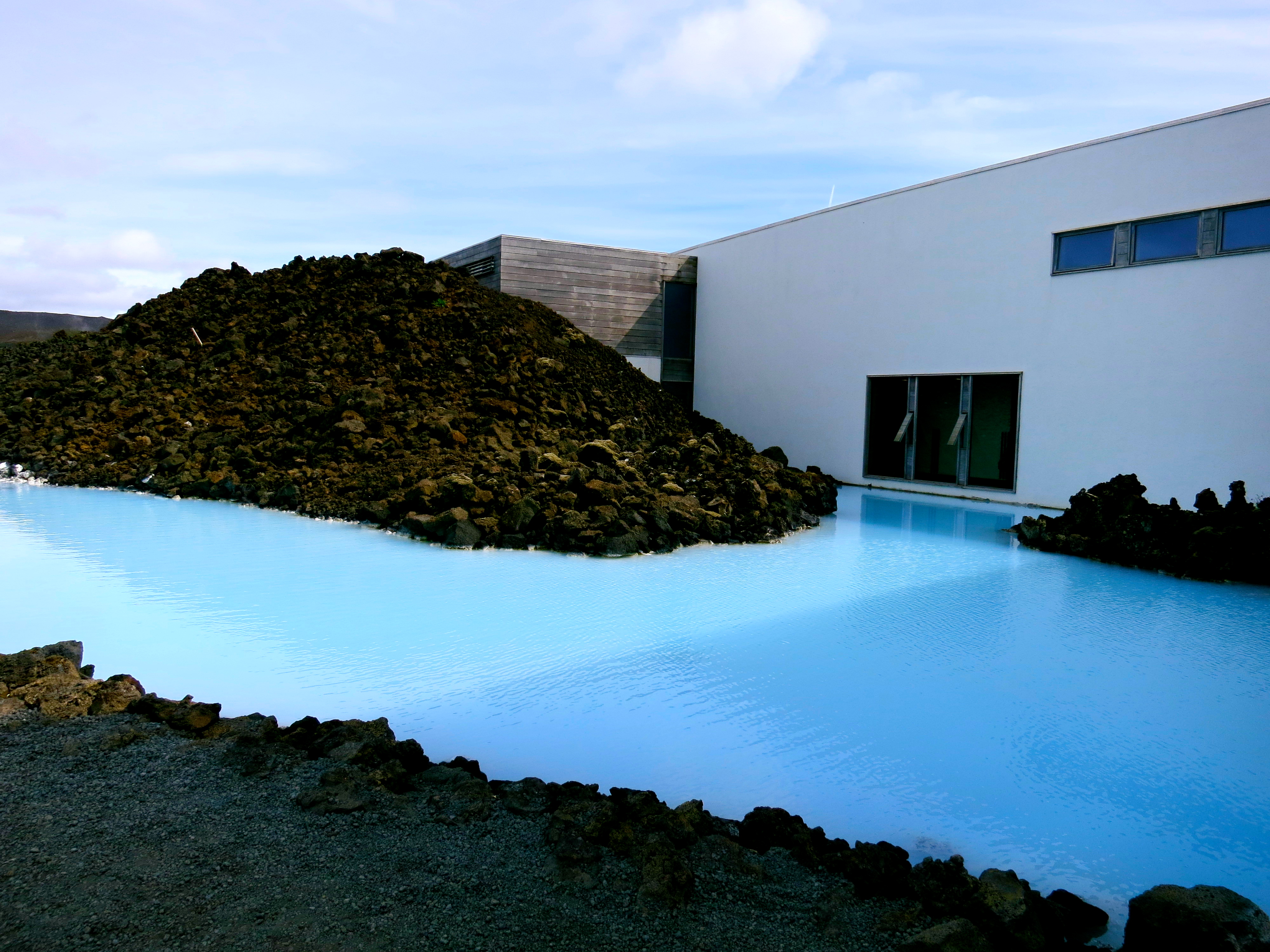
The Blue Lagoon is a large pool of mineral water famous for its aesthetic benefits and healing properties.

They may have suffered a nation-wide financial crisis three years ago, but Iceland certainly deserves brownie points for its rapid recovery and crazy innovative ideas. From puffin sashimi to geothermal silica mud masks, this country has it all. Among Iceland’s most unique offerings though, is the now-trending spa destination, the Blue Lagoon, which I had the pleasure of visiting this summer.
The Blue Lagoon is a large pool of mineral water famous for its aesthetic benefits and healing properties. The blue silica mud, which gives the water in the blue lagoon its characteristic milky-blue color, is claimed to have wonderful exfoliating, cleansing and rejuvenating benefits for the skin. What’s most unique about the Blue Lagoon, however, is the fact that the pool itself is the bi-product of a geothermal power plant. Only in Iceland, an entirely self-sufficient island nation whose power is 99% renewable, would people even come up with the idea of turning geothermal fart into an aesthetic hot spot. Eco-friendly and good for your skin? If you think that it sounds too good to be true, think back to the time when people thought that primer, serum, concealer and foundation were separate products impossible to combine in one product. Not only is this place as real as BB cream, but in fact, it is now considered so sexy that it was even featured in the September 2011 issue of Vogue.
When I first heard that the Blue Lagoon was essentially manmade, I admit I was a little disappointed.
“Think of it as a massive, manmade, hot water pool,” said one of my friends who was traveling with me.
The mental image was not appealing to me in the least. In fact, at one point I even considered replacing the Blue Lagoon in our itinerary in favor of more time in Reykjavik to explore the city–a decision, on hindsight, which I am glad I did not follow through with, considering how small the city centre is.
Walking into the clean, state-of-the-arts interior of the Spa Center however, I was pleasantly surprised. The Center had a spa for special treatments and packages, a VIP lounge and resting rooms for lounging in between services, as well as a beautiful restaurant and gift shop selling the Blue Lagoon’s original silica mud products. The changing rooms were spacious and well-lit, with multiple staff at hand to clean it every few hours. The showers even provided guests with complimentary silica mud shower gel–a definite must-try for its lovely scent and moisturizing quality.

Outside, the geothermal pool itself surpassed expectations for its open, outdoor feel: it did not give the impression of a deliberate, manmade construction at all, but rather a kind of high-end spa meets Asian hot springs meets swimming pool at a five-star resort. The other guests in the pool gave the place a friendly atmosphere without creating a crowd, and a bar selling alcoholic drinks as well as thirst-quenching smoothies made the place seem more accessible to a younger crowd. Most importantly, the famed silica mud itself was, to my utmost joy, not merely a myth: it was a miracle worker both as body scrub and face mask, though extremely difficult to remove from the hair. The full body 90-minute spa treatment was also a welcome treat for my travel-weary body: though the silica mud body mask was a little uncomfortable when it began to harden, it was definitely worth the wait when my skin was as soft as a baby’s coming out of the treatment room. For those of you with dry skin, I would, however, recommend bringing your own moisturizer for post-shower use, as Iceland’s dry climate can suck the moisture out of your skin like a blood-thirsty mosquito.
With an entrance fee of 40 Euros per person and most spa treatments for over 100 Euros, the Blue Lagoon is definitely aiming to be a high-end spa retreat as opposed to a community wellness centre. But even if just for that unique one time experience, it’s worth every Euro, and I can personally promise you that if not anything, your skin will thank you for that milky mineral-laden goodness.
Article written by Chihiro Isozaki.