
Updated by Wendy Hung on March 18, 2026.
These museums in Paris are famous for good reason.
As the city where impressionism was born, Paris is well known for its significant influence on the art world and abundance of culture. With around 130 museums in the city, choosing which ones to prioritize can be daunting. To help narrow it down, here are 15 quintessential must-see museums to hit up while you’re in Paris.
View this post on Instagram
Louvre
Rue de Rivoli, 75001, Paris, France
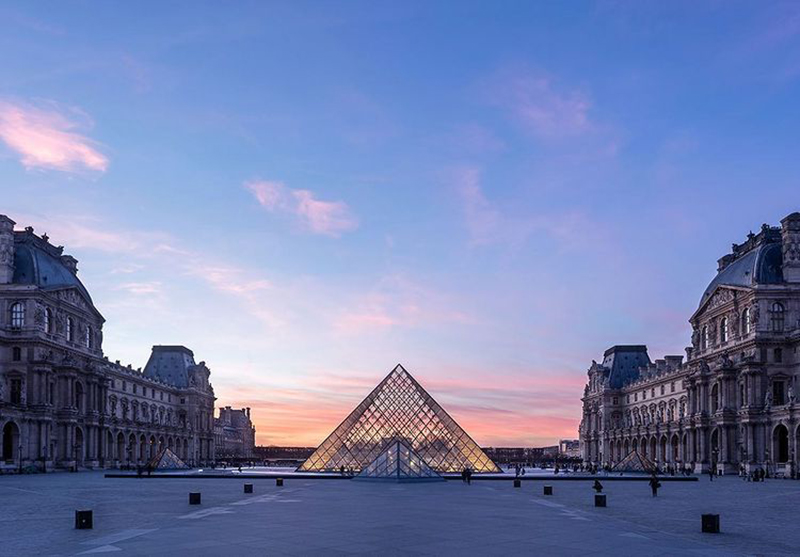
Undoubtably the most famous museum in France, the Louvre is nearly 800,000 square feet and features approximately 38,000 objects from prehistory all the way to the 21st century. The museum first opened in 1793 amid the French Revolution, almost a full century after King Louis XIV moved to the Palace of Versailles and left his old residence as storage for his art collection. The large glass pyramid that serves as the museum’s main entrance was completed in 1989, designed by Chinese-American architect I.M. Pei, who caused a massive controversy with the structure’s modern style and the pyramid’s symbolism of death in ancient Egypt. The hype surrounding the Louvre is well-deserved, and it’s definitely worth a visit if you want to see some incredible art and history while in Paris. Many art enthusiasts have said it takes 11 days to explore the museum in its entirety, but we highly recommend carving out a few hours even if that’s all the time you have to spare.
Musée de l’Orangerie
Jardin Tuileries, 75001, Paris, France

The Musée de l’Orangerie is located within the Palais des Tuileries on the bank of the Seine. The museum is home to a large collection of impressionist and post-impressionist paintings from the 1930s-50s, including Monet’s Water Lilies, which were sent with specific instructions of how they should be displayed. The Musée de l’Orangerie is often referred to as a “temple of impressionism,” as it displays art by esteemed impressionist artists from Renoir to Matisse. The museum’s smaller size makes it easy to explore without getting overwhelmed, a must-stop for any art lover who finds themselves in Paris.
Musée des Arts Décoratifs
107-111 Rue de Rivoli, 75001, Paris, France

Located in the west wing of the Louvre, Musée des Arts Décoratifs, often referred to as MAD, opened in 1905. The museum has one of the largest decorative arts collections in the world, with over 500,000 decorative elements such as furniture, fashion, and toys on display. Here, you can find period rooms from the 15th century and beyond, featuring historically accurate depictions of interior décor and showcasing how popular design choices have evolved over the years. Get a close look at how French citizens lived throughout the centuries through the museum’s 5 chronological departments: Middle Ages & Renaissance, 17th & 18th centuries, 19th century, Art Nouveau & Art Deco, and Modern & Contemporary.
Musée Picasso
5 Rue de Thorigny, 75003, Paris, France

Musée Picasso opened in 1985 in Hôtel Salé, an astonishing historic monument from the 17th century. Over 5,000 of Picasso’s works from paintings to sculptures are on display here, as well as 200,000 of his notebooks and other personal belongings, making it the largest Picasso collection in the world. The art is displayed across 22 rooms, portraying his journey in chronological order. You can also find works from artists Picasso was inspired by, like Cezanne and Degas, throughout the museum.
Centre Pompidou
Place Georges-Pompidou, 75004, Paris, France
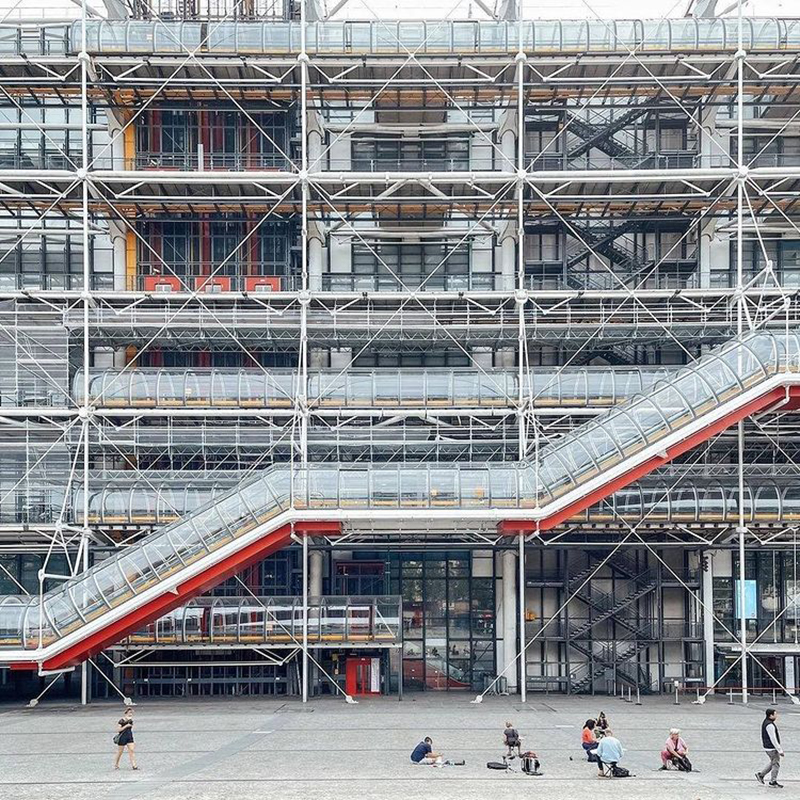
Centre Pompidou is a museum of contemporary and modern art that opened in 1977 at the wish of former French president Georges Pompidou, who wanted to create a center where people could gather and learn about art of all disciplines. The building itself has an “inside out” effect with exposed structural elements that are color coordinated, creating a rainbow of green pipes and yellow electrical wires. The multicultural complex spans across 6 floors, making it the largest museum of modern art in Europe. Since escalators and other structural edifices are on the outside of the building, there is a lot of room for large exhibitions and completely new arrangements of the interior. Soak up incredible views of Paris from the top floor where temporary exhibitions are held every year, explore the public library on the first 3 floors of the building, or simply marvel at the impressive façade on your way past. No matter what you decide, unique architecture and inclusivity make the Centre Pompidou well worth a visit.
Musée du Quai Branly
37 Quai Branly, 75007, Paris, France
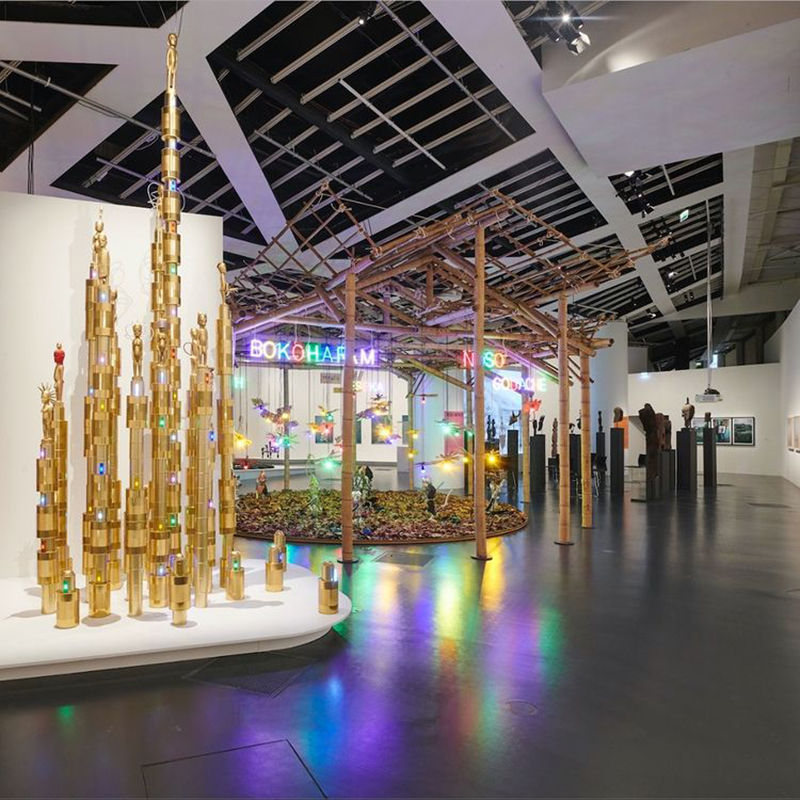
Musée du Quai Branly opened in 2006, featuring indigenous art from Africa, Asia, Oceania, and the Americas. The museum has more than 1 million ethnographic objects from the Neolithic period to the 20th century in its collection, with about 3,500 on display at a time. Musée du Quai Branly is dedicated to the preservation and advocacy of non-European cultures and hosts around 10 temporary exhibitions a year. The building’s exterior features walls of plants and greenery, and the restaurant Les Ombres is located on the roof, with a view of the Eiffel Tower and classic French dishes.
Musée Rodin
77 Rue de Varenne, 75007, Paris, France

Opened in 1919, Musée Rodin spans across over 7 acres of land and is dedicated to the work of French sculptor Auguste Rodin. The museum is located in the rococo mansion Hôtel Biron, where Rodin lived for several years and where he left his sculptures when he died. Larger pieces can be found in the museum’s garden, including some works he’s most famous for, such as The Thinker. Musée Rodin also houses the work of Camille Claudel, who was Rodin’s student and lover for a time.
Musée d’Orsay
1 Rue de la Légion d'Honneur, 75007, Paris, France

Located on the bank of Seine in the former Orsay railroad station is Musée d’Orsay, featuring impressionist and post-impressionist art from 1848 to 1914. The internationally renowned museum opened in 1986 with an extensive photography collection and notable works like Van Gogh’s “Starry Night Over the Rhone.” Belle Epoque architecture and a view of the Sacré-Coeur Basilica from the balcony make Musée d’Orsay an absolute must-stop in Paris.
Grand Palais
3 Av. du Général Eisenhower, 75008, Paris, France
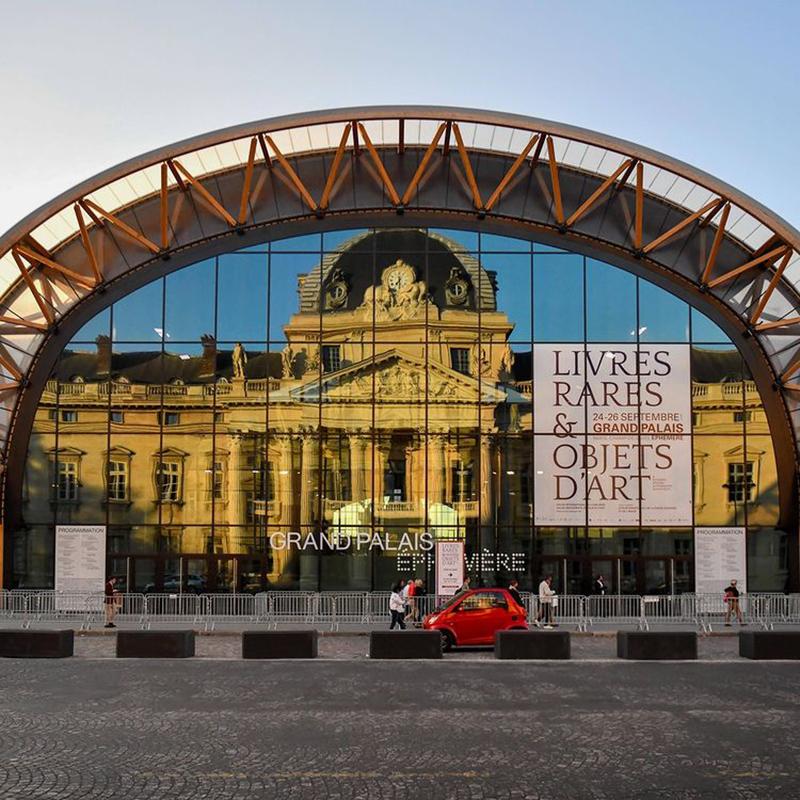
Constructed for the World Fair in 1900, Grand Palais is a cultural gem of France with rich history. The museum was built to accommodate artistic and cultural events in the city and is made up of 3 parts: the Nave (where events such as fairs are put on), the National Galleries (host to historical art exhibitions), and the Palais de la Découverte (science discovery museum). With breathtaking Beaux-Arts style architecture and a vaulted glass roof, Grand Palais is the perfect place to host over 40 events per year, including Chanel’s coveted fashion show.
Petit Palais
Av. Winston Churchill, 75008, Paris, France

Across the street from Grand Palais lies Petit Palais, also built for the 1900 World Fair and home to the Museum of Fine Arts that opened in 1902. The museum’s chronological exhibitions span 2 floors and feature paintings from artists like Rembrandt and Monet. The building is a mix of both traditional and modern architecture with decorative murals, stained glass windows, and mosaic floors. Despite its name, Petit Palais still has a lot to explore, including a concert hall, garden, and tearoom.
Musée de la Vie Romantique
16 Rue Chaptal, 75009, Paris, France

Translating to “the Museum of Romantic Life,” Musée de la Vie Romantique is a charming literary museum based in a home originally owned by famous painter Ary Scheffer, who would often host famous figures of the time, from Dickens to Chopin. The museum is located down an idyllic cobblestone street and is devoted to the romantic period of art. There are 2 temporary exhibitions a year as well as classical music concerts that are held from November to June. Don’t forget to stop by the tearoom in the former greenhouse for coffee, tea, and tasty snacks during your visit!
Cartier pour l’Art Contemporain
261 Bd Raspail, 75014, Paris, France
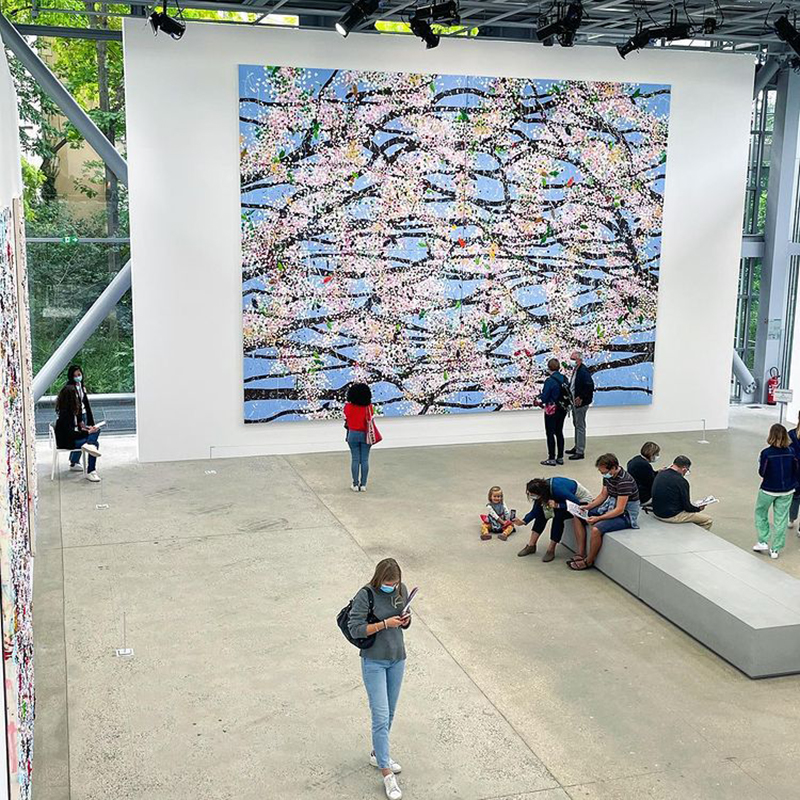
Cartier pour l’Art Contemporain opened in 1994 to showcase visual arts, architecture, design, and music. The museum’s collection includes over 1,500 works by 350 artists from all over the world, and it’s host to many contemporary art exhibitions throughout the year. The institution’s glass architecture is meant to unify the building with the city, creating a reflection of the exquisite garden below designed by German artist Lothar Baumgarten. Cartier pour l’Art Contemporain’s commitment to giving younger up and coming artists a chance to display their work shines through in its unique and diverse collections.
Musée Marmottan Monet
2 Rue Louis Boilly, 75016, Paris, France

Musée Marmottan Monet is located in a former hunting lodge and home to the largest collection of Monet’s works in the world. The museum has received much of its collection through generous donations from art collector Paul Marmottan and Claude Monet’s son. The Monet collection now lives in the lower level of the museum in a large, open room for all to admire.
Palais de Tokyo
13 Av. du Président Wilson, 75116, Paris, France
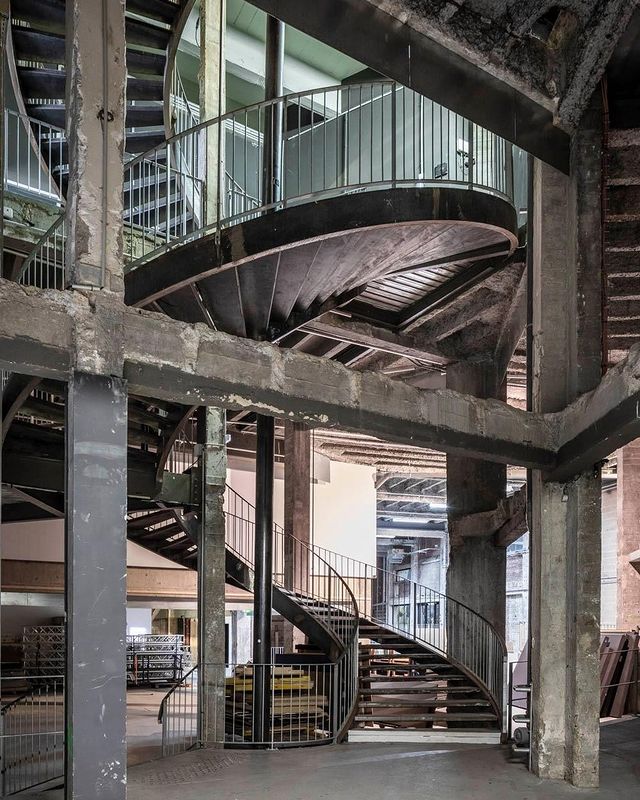
Opened in 2002, Palais de Tokyo is one of the largest centers for contemporary art in Europe, host to temporary exhibitions, performances, and workshops for all ages. The museum’s goal is to challenge inaccessibility in the art world and make guests see art in a new light. Four floors comprise of 2 restaurants, 2 gardens, a bookstore, and a nightclub. Palais de Tokyo doesn’t have any permanent collections, so there’s something new to see and experience every time you go.
Louis Vuitton Fondation
8 Av. du Mahatma Gandhi, 75016, Paris, France

The Louis Vuitton Fondation opened in 2014 to promote accessibility and versatility in the art community. The building was designed by Frank Gehry, a talented architect who took inspiration from the Grand Palais. Situated at the edge of the water garden in Bois de Boulogne Park, this grandiose glass building was modeled after the billowing sails of a sailboat. The museum displays modern and contemporary art with two major exhibitions every year. Make your way to the terrace for a view of the Jardin d’Acclimatation below and chow down at restaurant Le Frank on the ground floor, serving delicious Mediterranean cuisine.
