It’s no secret that right now isn’t the safest time traveling to Xinjiang, China.
In midst of fighting for its independence, Xinjiang Uygur (pronounced: shin-jian wee-gore) autonomous region has been suffering from terror attacks, unrest with protests and a rising death toll.
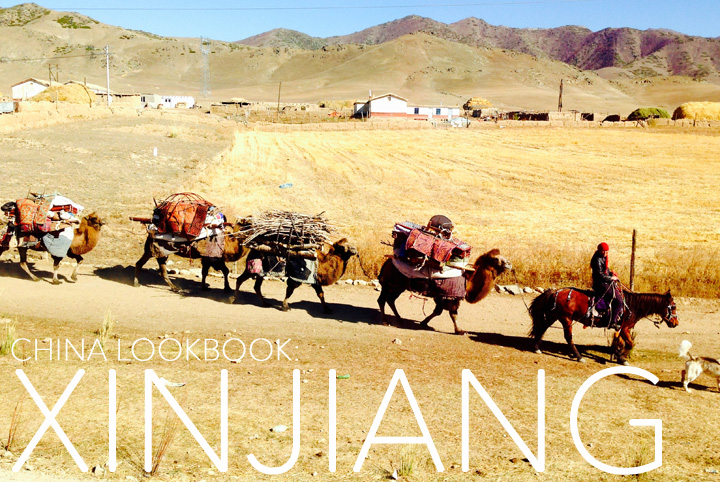
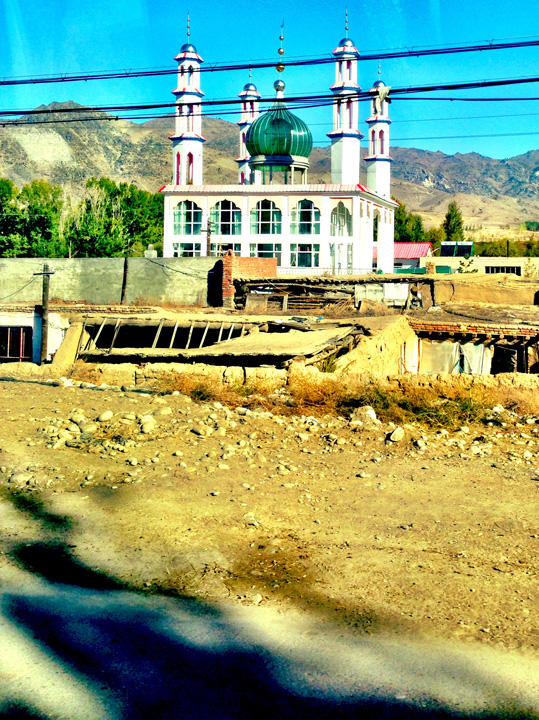
There’s a reason why multiethnic people of Xinjiang are seeking to stand on their own. As the largest Chinese administrative division (and the majority of its population adhering to Islam), Xinjiang is unlike anywhere else in China. Not only is it a home to a number of ethnic groups including the Uyghur, Han, Kazakhs, Tajiks, Hui, Kyrgyz, and Mongols; its landscape is dominated by some of the largest deserts in the world.
If you believe in the stereotype that all Chinese citizens have dark hair and small eyes, then you’ll be proven wrong especially here. Since it borders eight countries: Russia, Mongolia, Kazakhstan, Kyrgyzstan, Tajikistan, Afghanistan, Pakistan and India; don’t be surprised if you see local Xinjiang residents born with light hair, pale skin and sparkling hazel eyes.
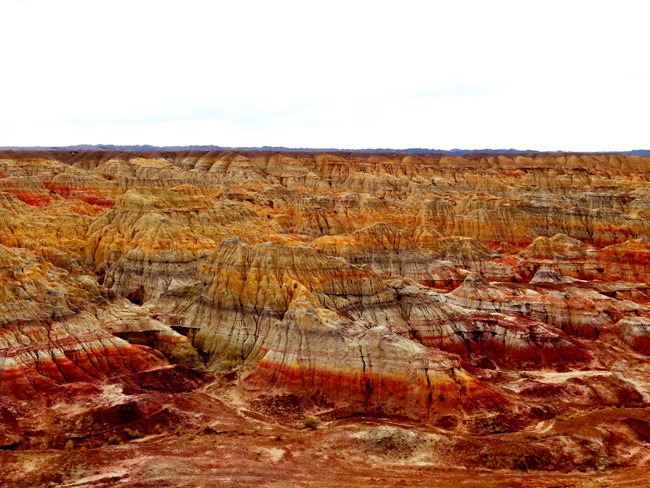
Ang Lee’s 2000 highly successful film, Crouching Tiger, Hidden Dragon, was famously shot in Xinjiang, making several landmarks extremely popular among travelers. Don’t miss: Five Color City (五彩城) – a massive ground full of multi-colored red rocks in the desert that used to exist underwater millions of years ago – and Ghost City (魔鬼城) – a separate section in the desert featuring unique rock formations similar to those seen at Wadi Rum in Jordan.
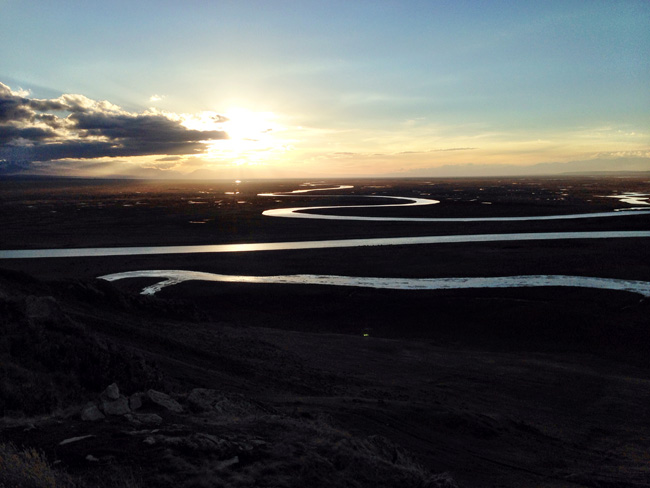
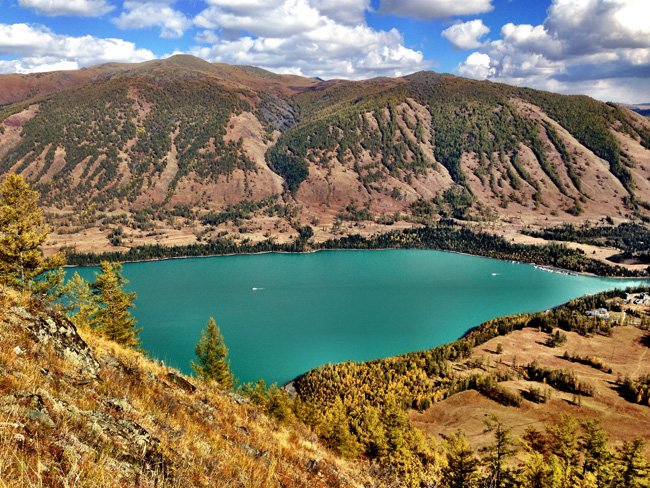
While the future of Xinjiang and China remains to be unresolved, travelers can still devour the beauty of the region. Deep into the northern desert. Scenic Xinjiang juxtaposes itself from the modernity of Shanghai and the historical grandiose of Beijing. This is where stories of ancient martial heroes still live on, alongside today’s camel-riding nomads. And it’s wildly fantastic.
CLICK HERE TO START SLIDESHOW: