
The essence of doctors remain the same, crossing cultural barriers.
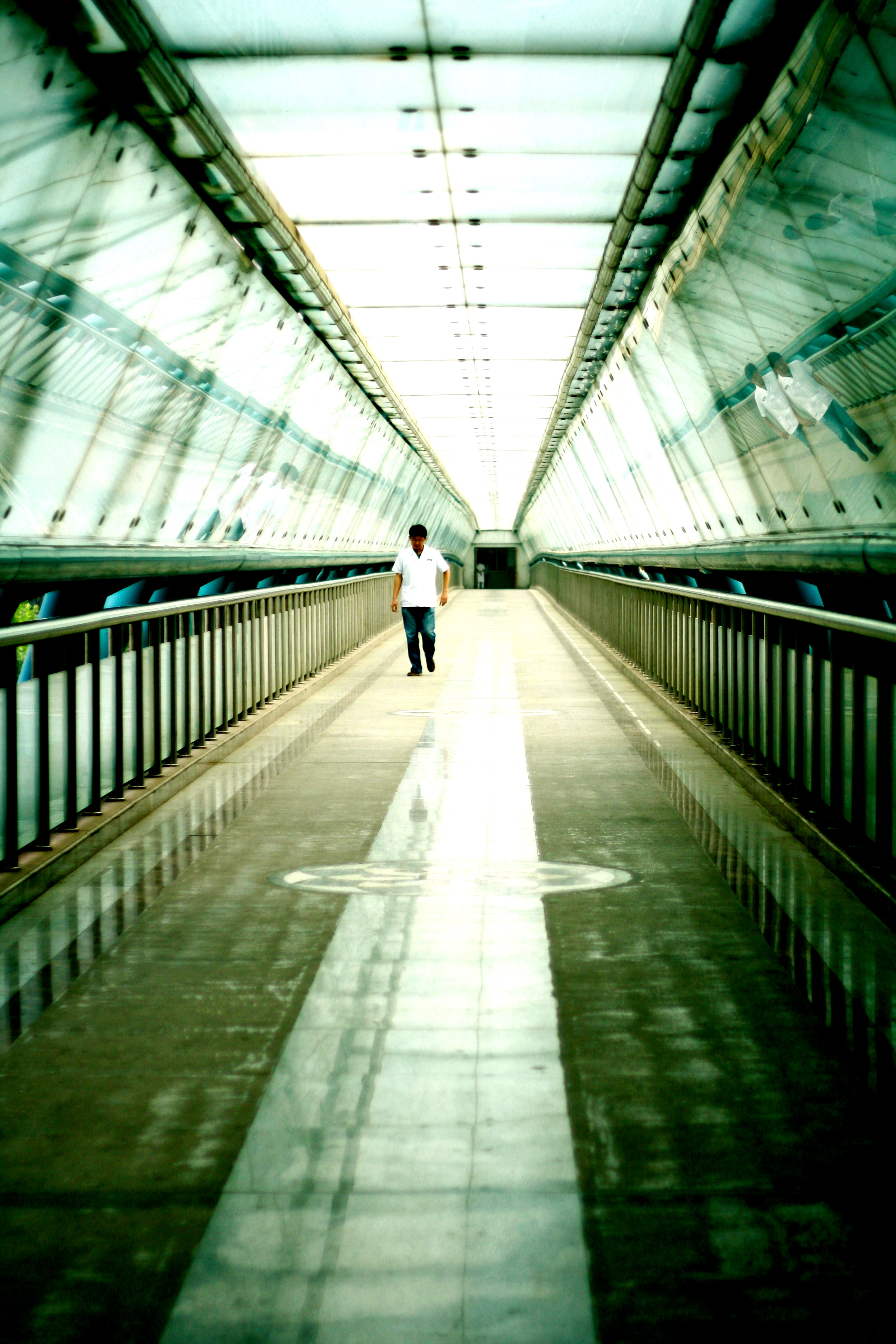
I have spent this past week at the Neurosurgery department of Tianjin Medical University General Hospital (天津大学医科总医院). The male to female ratio of the doctors in this department is nearly 20:1. There are no single patient rooms. Relatives bring fruits and eggs and milk instead of flower arrangements and teddy bears. Doctors wear 6-digit numbers instead of ID cards pinned on their white lab coats to identify themselves. Despite these qualities, there is an air of professional caring and lifesaving efforts permeating every interaction in a way not entirely unlike American hospitals.
While the newly built inpatient wing has sparkling facilities and a German-imported, high-tech MRI machine, the older building where clinic hours are held is more indicative of the typical Chinese hospital. Few patients schedule their appointments in advance. Instead, patients and family members line up early in the morning to gua hao, or a reception to receive a number in line, in hopes of seeing the doctor in the four hours of the morning he has. The cramped clinic room in a faded green. There is one bed, which no one uses, two chairs, and a rickety x-ray viewing board.
During clinic hours, the doctor tells me English names of each patient’s disease: trigeminal neuralgia, Chiari malformation, arachnoid cyst, neurofibroma, subdural hematoma. While learning these names are important, I can’t help but notice the intangibles gleaned from interactions in this tiny and pale green room with paint peeling off the walls. A patient repeating a question is not stubborn but worried. A train ride from Mongolia to Tianjin is now 22 hours – three years ago, the ride took 26 hours. A grandpa can’t identify the pen the doctor places in front of him. An aggravated wife clutches her husband’s fuzzy, low-resolution CT scan from a local hospital. There appears to be a mass of white located in his hindbrain.
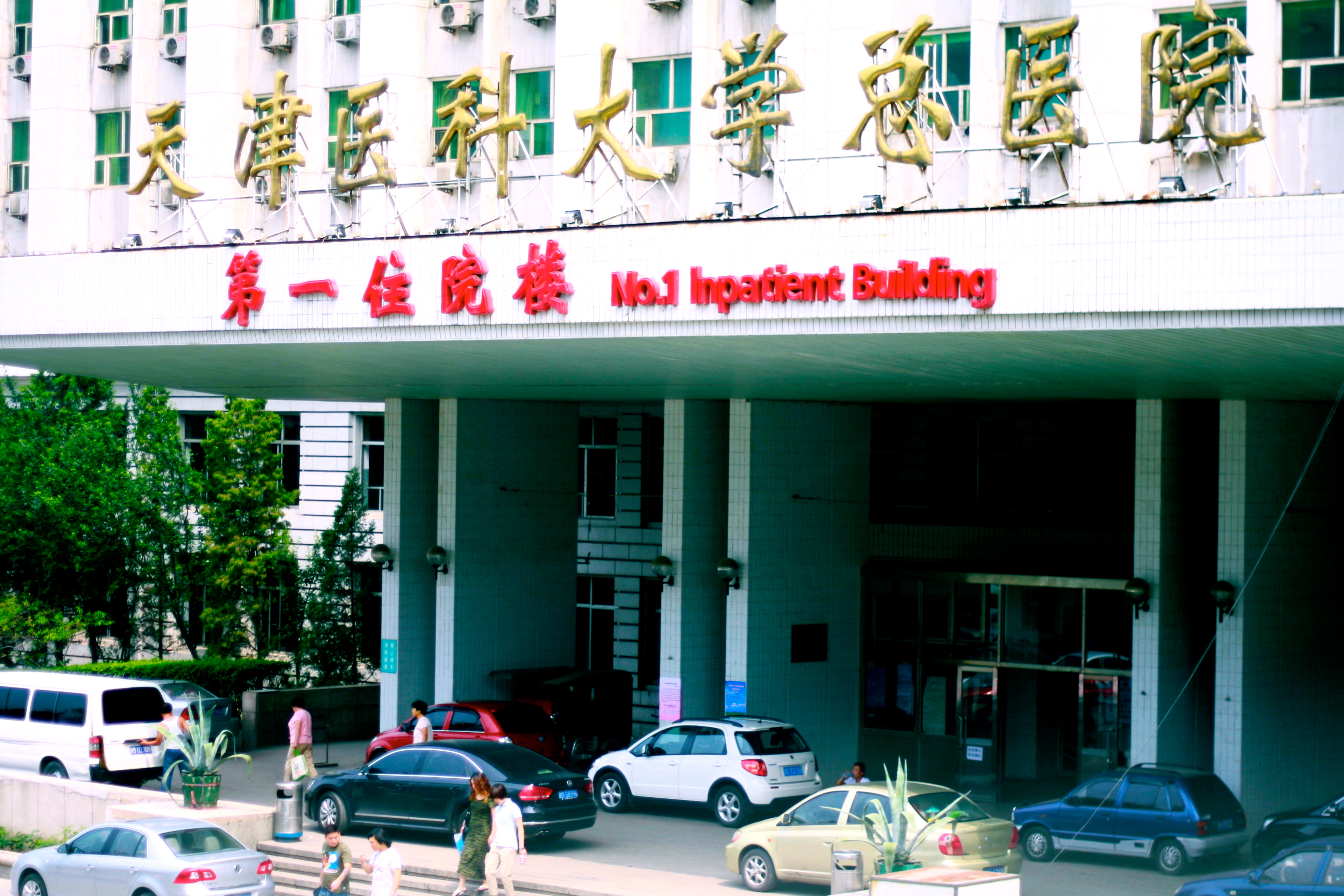
Although these Chinese doctors work in a more disorganized environment, they have much in common with the doctors I’ve shadowed in the United States. They have pens in their breast pockets and notebooks with scrawled reminders. They sign their names a hundred times to confirm diagnoses of patients’ conditions, sometimes good but mostly bad. They have singular yet adaptable personalities to the ensemble of patients they see each day. They know that medicine is never a guarantee, and they cope the best they can – they are givers who cannot promise health but can always promise help.
Article written by Ruoxi Yu.
