
Scuba diving provides the privilege of visiting this underwater planet.
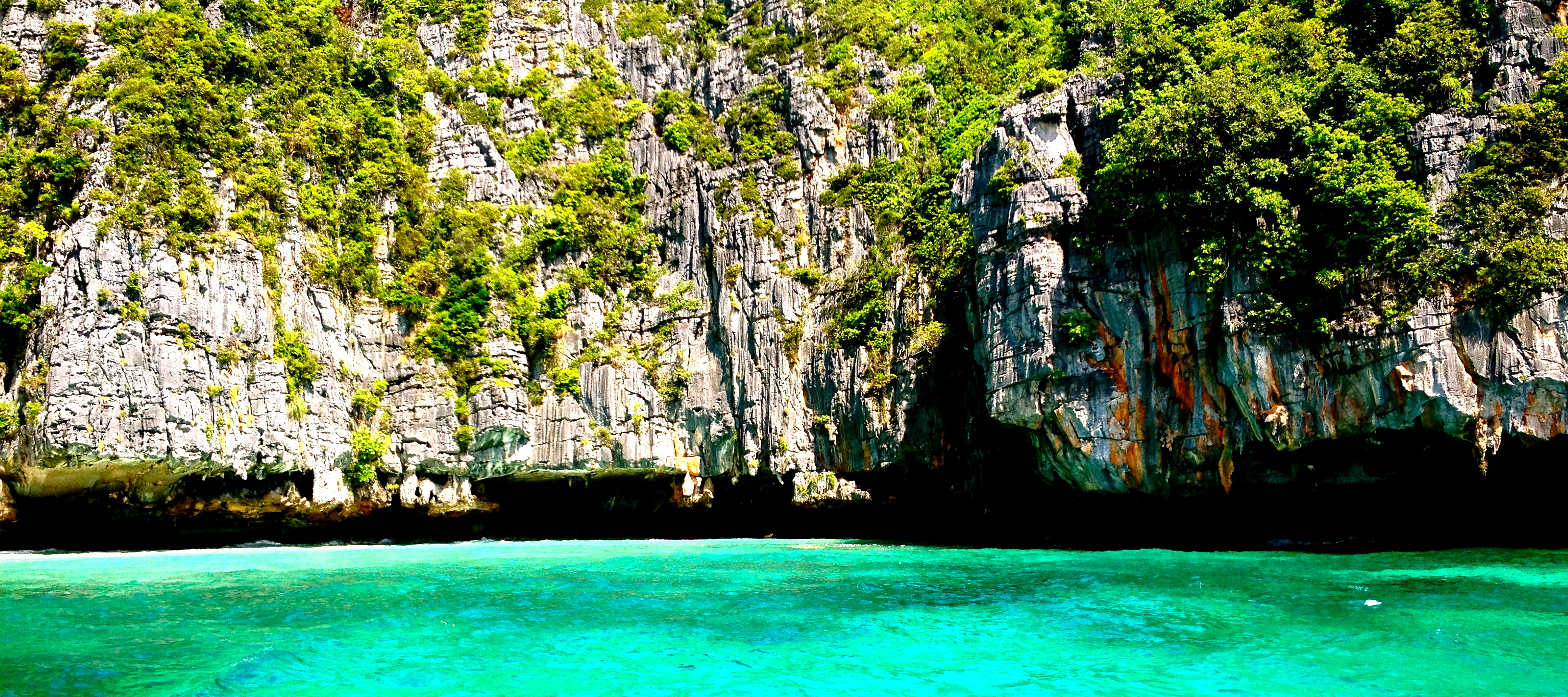
Stomach churning and heart racing, I leaned backwards from the boat’s ledge. With a loud splash, I, along with my heavy scuba gear, hit the cool water. This first jump in always takes a big confident push. I have been a certified scuba diver for about two years and had been diving six months before, but the rush of adrenaline pumping through my system remains the same. When the other divers had made their plunge and assembled together, the dive master signaled to descend (a thumbs down.) I let the air out of my BCD and floated slowly down towards the ocean floor 45 feet below. Breathing evenly through my regulator, I felt calm and centered – nowhere do I feel more at peace than when I am underwater.
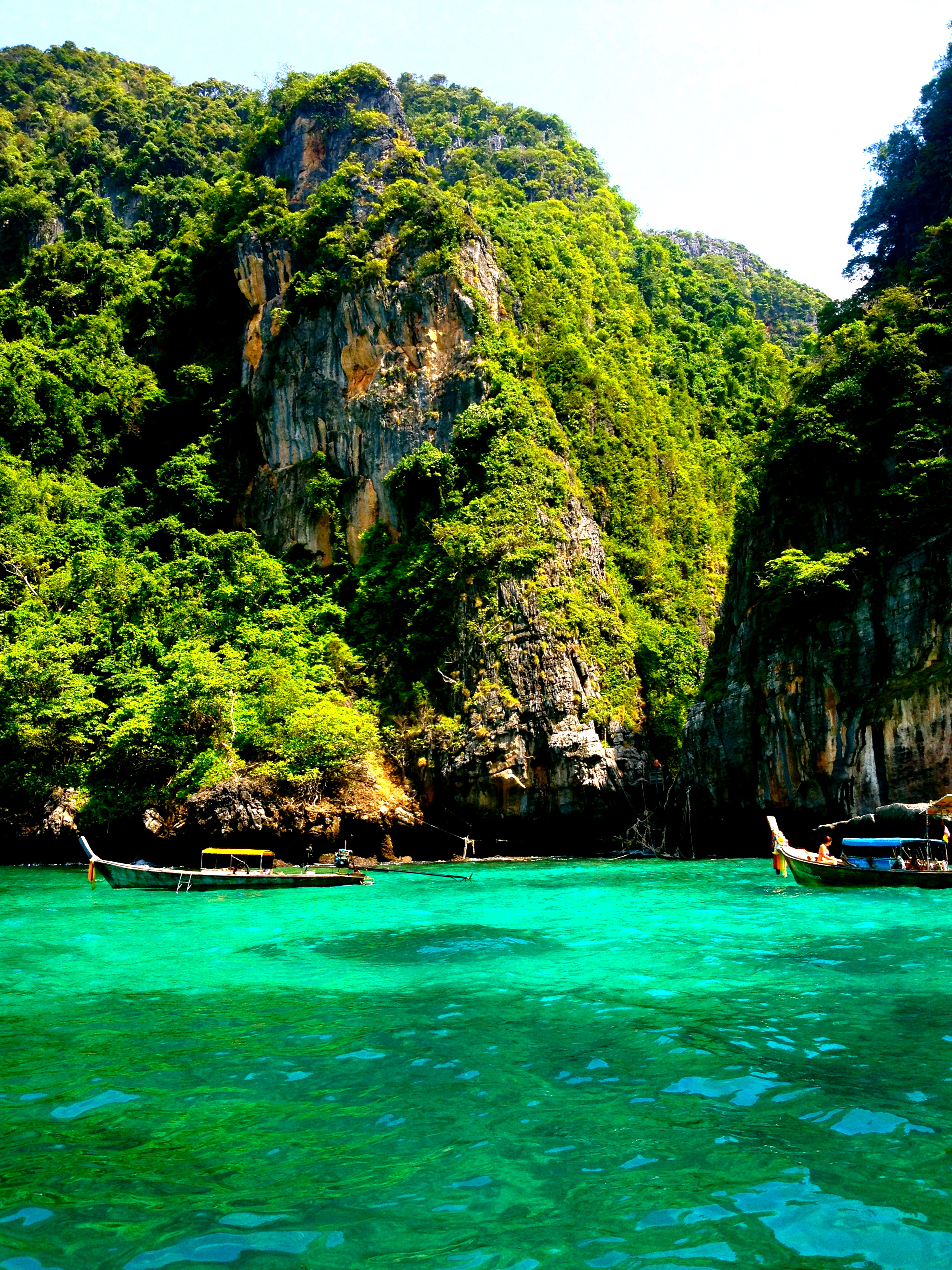
Reaching the bottom, I became immersed in another worldly landscape of bizarre colors, shapes, and textures. The reef was bursting with activity. Parrot fish – named for their beak-like noses – darted back and forth, sea fans swayed with the tide, and eels peeked their menacing heads out from rocks. Each time I dive, I am awed by this dynamic universe that hides far below the surface forever invisible to most. Scuba diving provides the privilege of visiting this underwater planet.
My experience diving has thus far been restricted to the Caribbean, so I leapt at the opportunity of putting my skills to use in Thailand, which is renowned as one of the world’s top locations for scuba diving. Although I spotted some fish that were familiar to me, there were many species I had never seen before. I was especially excited when I spotted the lionfish, a cream and auburn striped fish with spiny, poisonous appendages that look like leafy branches. When I was traveling in St. John in December, I remembered signs at many restaurants and shops warning about the lionfish, which gets trapped in boats coming from Asia and reproduces rapidly without natural predators. In the Caribbean, the lionfish is considered as an invasive species, and sightings are meant to be reported. Here, halfway around the world, I was able to see these beautiful fish in their natural ecosystems.
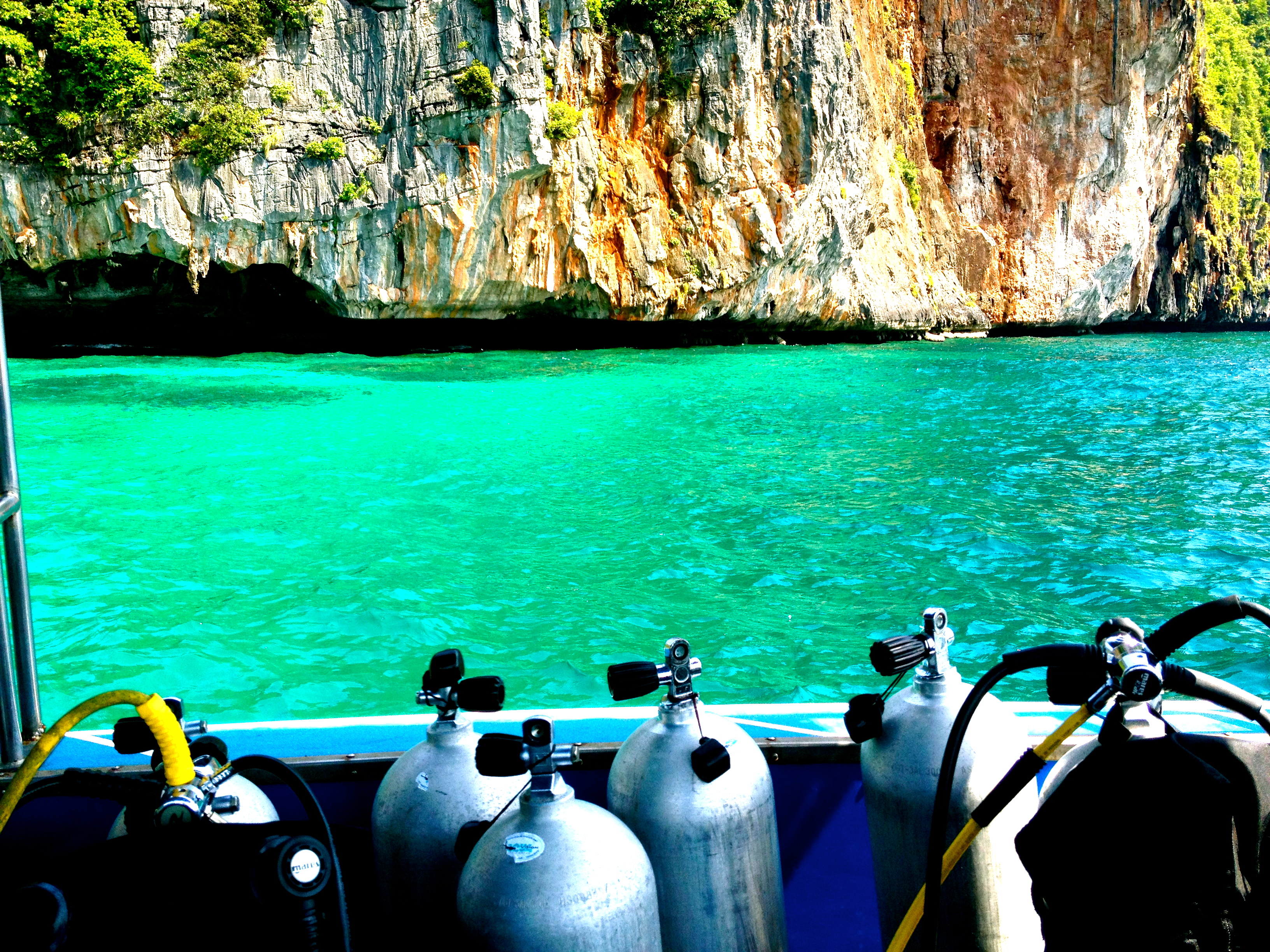
After almost an hour of gliding along the wall of coral, the dive master signals the end of the dive. I reluctantly leave the fish behind and swim upward. Establishing buoyancy on the surface, I let my regulator fall out of my mouth and take a breath of the outside air. The deafening silence, a silence which is only possible underwater, is broken by divers gushing about their sightings and kicking towards the boat. I dunk my head to look down into the blue abyss, eager to venture back down below.
Article by Anna Carey.
