
Montana offers vast landscapes, rugged terrain, and long distances between towns.
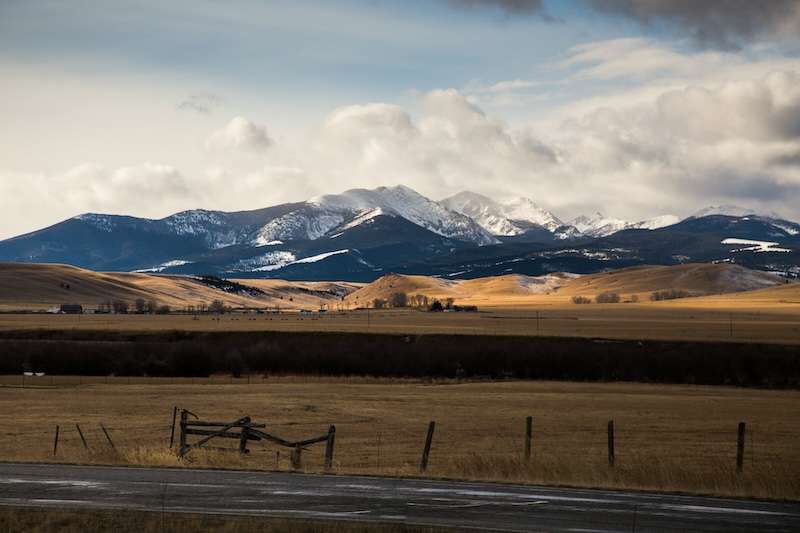 Photo by Matthew Lancaster on Unsplash
For drivers, this means that car ownership is not just about convenience — it’s about reliability and preparedness. To drive safely and efficiently in Montana, every vehicle owner must adapt to the state’s demanding climate, road conditions, and geography.
Winter-Ready Is Not Optional
Montana winters are harsh. Temperatures often drop well below freezing, which can disable vehicles that are not properly maintained. Cold weather reduces battery capacity, so weak batteries should be replaced before winter begins.
Antifreeze levels must be checked regularly, and engine block heaters are often necessary for reliable starting in subzero temperatures. Tire choice also matters — winter or all-terrain tires offer improved traction on icy and snow-covered roads.
Every vehicle should carry a winter emergency kit, including thermal blankets, a flashlight, jumper cables, extra gloves, non-perishable food, and water. Stranded drivers can face life-threatening exposure if unprepared.
Long-Distance Readiness
Montana’s rural layout means it’s common to drive 50 miles or more without encountering a gas station or service stop. Drivers should avoid letting the fuel tank fall below half, especially in remote regions. A small reserve of fuel or a portable gas container can be a critical backup in emergencies.
Preventative maintenance is essential. Oil changes, fluid checks, and tire inspections must be done regularly. Air filters and fuel filters should be inspected more frequently than in urban environments. Tire pressure should be checked before long trips, as elevation and temperature changes can affect PSI.
As of May 2023, Montana employs approximately 2,580 automotive service technicians and mechanics. This occupation had a location quotient of 1.15, indicating a higher concentration of these professionals in Montana compared to the national average, which is no surprise.
Off-Road and Gravel Readiness
Many Montana roads are unpaved or poorly maintained, particularly in rural counties and mountainous areas. Montana’s remote highways and unpredictable weather can increase the risk of breakdowns or collisions.
If involved in an accident, documenting the scene and reporting promptly to authorities is essential, especially in rural areas where response times may be slower. In serious cases involving injury or insurance disputes, consulting a qualified Montana motor vehicle accident law firm is the best bet to ensure your rights are protected.
Frequent driving on gravel or dirt can damage the undercarriage and suspension if unchecked. Skid plates and undercoating can provide added protection. Dust buildup also accelerates air filter wear, reducing fuel efficiency and engine performance, so filters should be changed more often.
Wheel alignment and shock absorber inspections are important after extended time on rough terrain. Brake components are also prone to wear in these conditions and should be checked regularly.
DIY Repairs Are Common — and Sometimes Necessary
In sparsely populated areas, mechanics may be hours away. Basic automotive skills can make the difference between a temporary issue and a serious disruption.
Every driver should know how to change a flat tire, check oil and coolant levels, and inspect belts and hoses. Keeping essential tools, spare fluids, and fuses in the trunk is advised. A working tire jack, lug wrench, and jumper cables are minimum necessities.
Mobile mechanic services exist in some regions, but access is inconsistent. Downloading offline repair manuals or carrying a printed guide can be helpful when internet access is unavailable.
Seasonal Storage Tips
Many Montanans store vehicles during the winter or keep recreational vehicles for summer use. Proper storage includes filling the tank with treated fuel, disconnecting or removing the battery, and checking fluid levels.
Tire pressure should be adjusted to avoid flat spots, and rodents must be prevented from nesting inside the vehicle by sealing entry points and using repellents. When taking a stored car out of storage, the battery should be recharged, tires inspected, and all fluids checked before driving.
Local Repair Shops vs. Dealerships
In smaller towns, independent mechanics handle most repairs. These shops are often experienced with the unique demands of Montana driving but may lack access to specialized diagnostic tools for newer vehicles.
For complex repairs or vehicles under warranty, dealership service centers in larger towns are more appropriate. However, scheduling can be limited, so appointments should be made in advance. Building a relationship with a trusted local mechanic is often the most practical long-term strategy.
Registration, Insurance, and Inspection Requirements
Montana does not require regular emissions testing, but safety standards remain the driver’s responsibility. Vehicle registration is managed at the county level.
Some counties offer online renewal, while others require in-person visits. Insurance is mandatory, and while the minimum requirements are modest, additional coverage is recommended due to the state’s road conditions and weather risks.
In 2023, Montana had a total of 2,357,075 registered motor vehicles, which indicates a high vehicle ownership rate relative to Montana’s population. This illustrates how vital personal transportation is for daily life in Montana. Drivers in rural areas should consider policies that include roadside assistance, towing coverage, and uninsured motorist protection.
Windshield and Glass Care in a Rocky, Rural Landscape
Montana roads often kick up loose gravel and debris, making windshield chips and cracks a common problem. Unpaved highways and construction zones only increase the risk.
To prevent further damage, chips should be repaired immediately. Delaying repair can lead to full cracks, especially in cold weather when glass expands and contracts. Carrying glass coverage as part of an insurance policy can reduce out-of-pocket repair costs.
Drivers should also inspect wiper blades regularly. Snow, ice, and grit quickly wear down rubber edges, reducing visibility during storms. Replacing blades before each winter season is a low-cost safety improvement.
Vehicle Lighting and Visibility for Extreme Conditions
Montana’s early winter sunsets and rural roads with no lighting make vehicle visibility essential. Headlights, brake lights, and hazard lights must function reliably.
Drivers should routinely clean all lenses, which become clouded from dust, snow, and road salt. LED bulbs provide brighter, longer-lasting illumination and are more resistant to cold weather failure than older halogen options.
Carrying spare bulbs and checking lights monthly can prevent dangerous nighttime driving conditions. In snowstorms or fog, properly working fog lights and rear reflectors improve visibility and reduce the risk of collisions.
Montana’s landscape demands more from both drivers and their vehicles. Routine maintenance, emergency preparation, and basic repair knowledge are not optional — they’re essential.
Owning a car in Montana requires a mindset of self-reliance, awareness, and adaptability. When you respect the road, your vehicle, and the conditions, you’re far more likely to enjoy the journey safely and without interruption.
