
What if the best way to experience the Southwest isn’t by ticking off landmarks but by giving each place time to breathe? In a region defined by vast deserts, ancient canyons, and long stretches of open road, the pace of travel shapes the meaning of the journey.
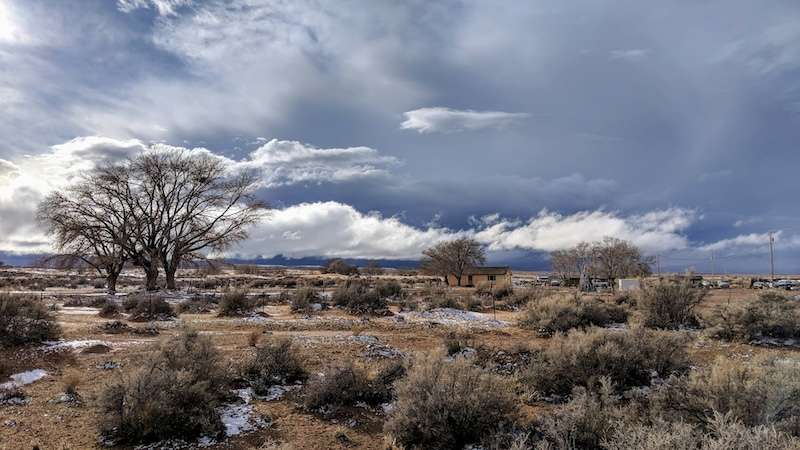 Photo by Vishal Sanghai on Unsplash
Rushing through Utah, Arizona, and southern Colorado means missing the quiet moments that define them, sunsets that linger, stories that unfold slowly, and landscapes that shift subtly with each hour. Slowing down isn’t just a travel style here. It’s the only way to truly connect with the land and its history.
Why the Southwest Was Made for Slow Travel
The American Southwest isn’t built for speed. Its landscapes stretch for miles with little interruption, deserts, mesas, canyons, and cliffs that demand your attention not for their action, but for their stillness.
Towns are sparse, cell signals fade often, and distances between places can be long and winding. But that’s exactly the appeal. Unlike urban destinations that reward packed itineraries, the Southwest invites you to pause, look around, and let the environment dictate your pace. The silence isn’t empty, it’s full of meaning if you’re willing to sit with it.
This region also holds deep cultural weight. Indigenous communities have lived here for thousands of years, and their stories are carved into rocks, passed down in tours, and echoed in sacred sites like Canyon de Chelly or Bears Ears. Frontier towns, old trading posts, and handmade art line roads that many travelers fly past.
Slow travel gives you time to engage with these layers. Instead of rushing from one photo op to the next, you start to notice the details, how the light shifts on sandstone, how a conversation at a roadside diner adds depth to your journey, how the land quietly changes you.
Staying Safe and Prepared on Utah Roads
The open roads of the Southwest are stunning, but they also demand respect. Cell service can drop for hours at a time, gas stations may be spaced over 100 miles apart, and sudden weather shifts (especially summer storms or high winds) can catch travelers off guard.
Whether you’re on a motorcycle or in a car, plan your route in advance, download offline maps, and top off your tank whenever you get the chance. Let someone know your general travel plans, especially if you’re venturing into remote areas like Valley of the Gods or parts of Grand Staircase-Escalante. And if you’re riding on two wheels, it’s worth having contact information of a local Utah motorcycle accident attorney, should you ever need legal guidance after an incident, especially in areas where traffic enforcement and emergency response can be limited.
Bring more water than you think you’ll need, wear layers for unpredictable temperatures, and pack a flashlight, portable charger, and basic first-aid kit. For motorcyclists, mesh gear works well in dry heat, but don’t skip protection just because the air is hot. Riding goggles or visors are essential for sand and wind.
Even casual hikers should wear sturdy shoes, avoid canyon trails during monsoon season, and never rely solely on phone GPS for trail guidance. The Southwest rewards those who slow down, but it also favors those who come prepared.
A One-Week Itinerary for Immersive Travel
When slow traveling the American Southwest, it’s not about seeing everything. It’s more about choosing the right few places and letting them unfold at their natural rhythm. This one-week itinerary blends dramatic landscapes with cultural depth and contemplative quiet. Whether you’re on a motorcycle or driving a rental car, the key is to move mindfully and leave room for detours, conversations, and stillness.
Day 1–2: Zion or Bryce Canyon
Start your journey in southern Utah with a couple of grounding days in Zion National Park or Bryce Canyon. Zion offers dramatic sandstone cliffs and lush river hikes like The Narrows, while Bryce’s hoodoo-filled amphitheaters feel like walking through a natural sculpture garden.
Stay within or just outside the parks to catch both sunrise and sunset. These hours bring the kind of quiet and color that photos can’t quite capture. Two nights in one place also lets you settle in, adjust to the desert pace, and explore a hike or two without rush.
Day 3: Scenic Byway 12 to Capitol Reef
This drive is less about getting somewhere fast and more about falling in love with the journey. Scenic Byway 12 is one of the most beautiful roads in the U.S., winding past red cliffs, pine forests, and open desert.
Take your time. Stop in Escalante for coffee, pull over for photos near the Calf Creek Recreation Area, and breathe in the silence at the Hogsback Ridge. End your day near Capitol Reef National Park, where fewer crowds mean you can walk among petroglyphs, explore old orchards in Fruita, or simply watch the sunset paint the canyon walls gold.
Day 4–5: Monument Valley
Drive south toward Monument Valley, where red monoliths rise from the earth like ancient guardians. This iconic landscape deserves more than a quick photo stop. Book a Navajo-led tour through the backroads of the valley to hear stories tied to the land, or even stay overnight in a traditional hogan or nearby lodge with a view.
Sunset and sunrise here are pure magic, the colors, the silence, the shadows. Use your fifth day to rest, walk slowly, or journal somewhere with a view. The stillness of this place changes how you think about time.
Day 6: Canyon de Chelly or Bears Ears
Venture into Canyon de Chelly National Monument in northeastern Arizona or explore the Bears Ears region near Bluff, Utah. Both are deeply connected to Native history and carry a sacred energy that asks you to slow down and pay attention.
At Canyon de Chelly, a guided tour led by a Navajo host will give you access to ruins, stories, and trails you’d otherwise miss. Bears Ears, with its sprawling landscapes and ancient dwellings tucked into cliffs, offers powerful solitude and a humbling sense of time. This day is less about sightseeing and more about reverence.
Day 7: Bluff, Utah
End your trip in the small town of Bluff, nestled along the San Juan River. It’s a perfect place to land softly after days of desert immersion. Enjoy a slow breakfast at a local café, stroll past art galleries and trading posts, and if time allows, detour into Valley of the Gods for one last scenic ride or drive.
Bluff is peaceful, unpolished, and rich in quiet character, a reminder that not all treasures are loud or famous. It’s the kind of place where your week feels like a month, in the best possible way.
You don’t need a month to feel the impact of the American Southwest, just the willingness to let go of speed and embrace presence. Even a single week, traveled intentionally, can leave you with a sense of time that’s deeper than any itinerary.
In this part of the country, where the land speaks softly and history runs deep, slowing down turns a trip into something lasting. The real reward isn’t how much ground you cover, but how deeply you remember the ground you stood on.
