
Nepal has long been known as a top destination for trekkers worldwide.
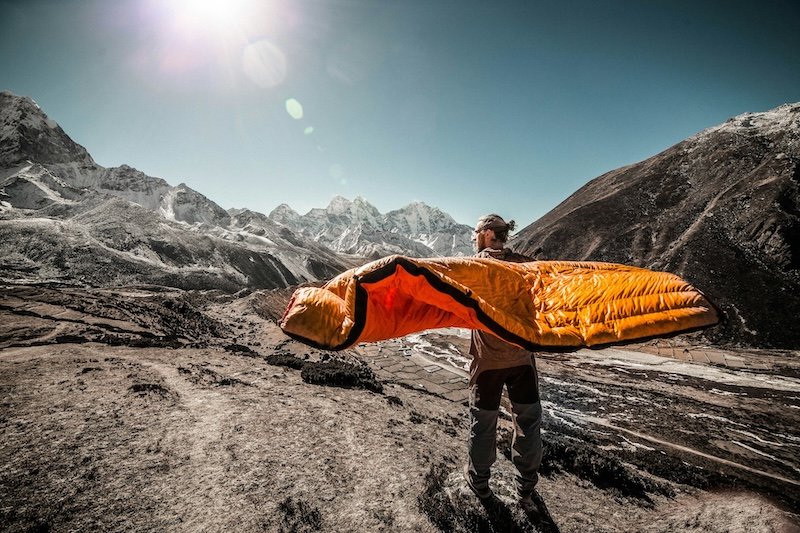 Photo by Martin Jernberg on Unsplash
With its stunning Himalayan landscapes, rich culture, and warm hospitality, it’s no wonder that thousands of tourists flock to the country every year to embark on their trekking adventures.
And while hiring a guide has always been recommended for safety reasons, some trekkers may wonder if they can tackle the trails alone. Here, we will explore whether or not you can trek in Nepal without a guide, the pros of hiring a guide, and the downsides of the solo trekking ban.
Rules to Observe When Solo Trekking in Nepal
Before discussing whether solo trekking is allowed in Nepal, it’s important to understand the rules surrounding independent treks.
The first rule is that all trekkers must obtain a TIMS (Trekkers’ Information Management System) card before entering any of the popular trekking areas. This card acts as proof of registration with the local tourism board and helps authorities keep track of visitors for safety purposes.
The TIMS card requires one form per person, two passport-sized photographs, and payment at either Kathmandu or Pokhara’s tourism board office. It costs around $10 for an individual, while a team of two or more can get one for about $20.
It’s wise to note that you only need the TIMS card if you are hiring a guide, as it helps cover their insurance. For instance, some trekkers decided to trek through the Langtang Valley trek to Kathmandu and opted for no guide, thus no TIMS card.
They noted that along the way, although the police stopped them and enquired whether they had a guide, and if they didn’t, they let them go but noted down their local phone number. And they were never forced to hire a guide.
The ban on solo trekking was to be implemented on 1 April 2023. Trekkers would not be permitted to explore national parks in Nepal and conservation areas without the help of a licensed guide.
Foreign trekkers can check the list of approved trekking operators on the Trekking Agencies Association of Nepal (TAAN) website before hiring a guide.
The ban was meant to help Nepal’s tourism sector create more jobs for the residents. However, it seems to be working against them as they experienced a decline in the number of tourists who visited Nepal for trekking adventures, as evidenced later in the blog.
Is the Ban on Solo Trekking in Nepal Being Implemented?
The Nepalese government announced on 1st April 2023 that solo trekking would be banned from that year onwards. However, reports have stated that this ban has not been strictly enforced since then.
Trekkers who have explored various routes, ranging from the Anapurna to the Everest regions, attest to going on the adventure without a guide accompanying them. And they were not stopped, turned back, or asked why they did not have a guide.
The best part is that the lodges continue to welcome solo trekkers, and some lodge owners plan on protesting against the ban. Nevertheless, travelers must adhere to local regulations and guidelines while visiting any foreign country.
What is the Cost of Hiring a Trekkig Guide?
The cost of hiring a guide in Nepal varies depending on the type and duration of the trek you choose to embark on.
On average, trekkers can expect to pay between $25 and $30 per day for their guide’s services. A porter’s fee ranges between $15 and $20 per day.
This fee includes meals, accommodation, and insurance coverage for your guide. Like in every other service industry, you are expected to tip your guide or porter once your trek is over.
What are the Downsides of the Solo Trekking Ban in Nepal?
While some may argue that solo trekking offers a sense of freedom and adventure like no other, there are also downsides to consider when it comes to this ban. Here are some potential drawbacks:
Reduces Tourism Revenue
Many businesses in Nepal rely on tourism, and with the ban in effect, foreigners refrain from visiting due to the high cost of obtaining permits and hiring guides. This, in turn, causes many businesses, such as lodges and trekking accessories shops, to close as they bring in no profit.
This undoubtedly impacts the country’s tourism revenue, which can have a ripple effect on local businesses and communities that rely on tourism for their livelihood.
Trekking in Nepal is not Dangerous for Experienced Trekkers.
Experienced trekkers want to feel the thrill of tackling a route alone and finishing successfully. However, it’s better to understand that although they may feel confident enough to tackle the trails alone, it’s essential to remember that accidents can sometimes happen.
A guide with proper training and experience can help prevent or handle any unforeseen situations.
The Ban Only Applies to Foreigners
Yes, it’s good to promote local tourism, but the government should be fair by at least applying local rates and foreign rates.
This will make trekkers from abroad feel appreciated. However, it’s worth noting that this ban only applies to foreign nationals, and Nepalese citizens are still allowed to trek solo if they wish. This creates an imbalance in regulations and may cause frustration among travelers.
It Puts a Dent on Nepal’s Greatest Tourism Destination
Nepal is the world’s go-to vacation spot for trekkers, presenting easy, advanced, and challenging routes.
The best part is that the treks offer awe-inspiring views, and as they trek to the peak, they experience different weather conditions, starting with the bright sun, the sharp wind, thin air, and, later, a bit or too much snow.
And don’t forget the lush green forests, rushing streams, barren lands, and piles of boulders. This makes for a memorable adventure.
As we all know, the Himalayas, including Mount Everest, are some of Nepal’s greatest tourist attractions. However, this restriction limits visitors from experiencing these iconic sites without a guide by their side.
It was Issued and Implemented on Short Notice
One of the main criticisms of this ban is that it was announced and implemented suddenly without much warning or explanation.
As the announcement was made on 9th March and was to be implemented on 1st April of 2023, this offered a grace period of three weeks.
Many trekkers had already planned their trips before the announcement, causing inconvenience and confusion.
Why Is It Advised to Hire a Guide When Trekking?
Despite the ban on solo trekking in Nepal, from the Facebook pages, it is evident that the ban has yet to be fully implemented as trekkers are still tackling challenging solo routes. However, procuring the services of a licensed guide is highly recommended for several reasons:
Safety
As mentioned earlier, trekking comes with its risks, especially in remote areas like the Himalayas, where weather conditions can change rapidly.
A trained guide will have first-aid knowledge and know how to handle emergencies effectively. They also help you avoid altitude sickness, pace the trek, and take breaks when necessary. So your safety is assured when trekking with the help of a guide.
Navigation Guide
The guides are trained and know all the routes by heart, so they can help you easily navigate the treks, minimizing your chances of getting lost. Your guide will also help you plan your itinerary, secure permits, book accommodations, and some also double up as porters at an extra charge.
Cultural Experience
Guides also act as cultural ambassadors who can share insights into local customs, traditions, and history while providing language translation services if needed. And you’ll receive the best treatment at the teahouses and lodges as the guides have relationships with the owners.
Supporting Local Communities
By hiring guides through registered agencies or associations such as the “Guide Association of Nepal,” you’re contributing directly towards supporting local economies rather than international tour companies.
What are the Best Routes for Solo Trekking in Nepal?
There are still plenty of options available for trekkers who are determined to go solo. Some popular routes for independent trekking include:
- Langtang Valley Trek: The best time to explore Langtang Valley is during Autumn (October-November) and Spring (March-May). Plenty of guesthouses along the route offer bed, dinner, and breakfast. You don’t have to make any bookings ahead during non-peak season, but it’s advisable to book ahead during peak seasons as you may find them full. That’s why it’s advisable to pack your sleeping bag.
- The Annapurna Circuit
- The Lower Mustang region
These areas have well-marked trails and teahouses along the way, making it easier for solo trekkers to navigate.
Why Do People Love Solo Trekking?
Trekking alone helps prepare you for future challenges, as you get to experience the ups and downs of a trek alone. You can improve your skills as you have to use the map; however, some routes are marked.
You get to trek on your terms, meaning you can shorten or extend a trek without worrying about the budget or the people accompanying you.
Although you set out alone on the trek, you will likely find other trekkers on the route, and this can be a great way to make lifelong friends.
Caution: when trekking solo, ensure you are acclimatizing accordingly, and don’t rush the trek as you may experience altitude sickness.
Things to Pack for Your Solo Trek
To make your trek easy and successful, make sure to pack the following:
- Passport
- Map
- Powerbank
- Toiletries ( tissue, sunscreen)
- Basic first-aid kit
- Trekking accessories (poles, sleeping bags, trekking shoes, socks, layered clothing, and a comfortable backpack)
- Smartwatch with O2 blood level indicator for checking altitude level
- Flashlight
- Cash
While it may be possible to trek in Nepal without a guide, hiring one for safety reasons and to support local communities is highly recommended.
Additionally, with the ban on solo trekking not being strictly enforced currently, travelers should stay updated on any changes in regulations before planning their trip.
Remember always to follow local rules and guidelines while exploring this beautiful country to ensure a safe and enjoyable experience.
Happy trekking!
