A guide to happiness, health and longevity.
 INSTAGRAM @hunzaexplorers
Okay, okay. I know how the title sounds. You’re probably wondering, “What does it even mean to be ‘happy?’” “How can we tell?” Sure, happiness might be a subjective term, or not? But more on that later.
First, picture this: a trove of red, gold and green trees line the rigid cliff outcrops. We’re in a valley bed, tucked beneath a circle of snow-capped mountains. No, we’re not meditating after yoga class, we’re in the original Shangri-La: the Hunza Valley. It’s the very same “idyllic eutopia” from James Hilton’s 1933 novel, Lost Horizon.
This is home to some of the happiest people on Earth: the Hunza of Northern Pakistan. They are known by legend for their remarkable longevity. There have been whispers of life expectancy reaching 120 years, with some living decades longer. While these rumors probably don’t hold any water, it’s very likely that the Hunza people have a life expectancy of around 100 years.
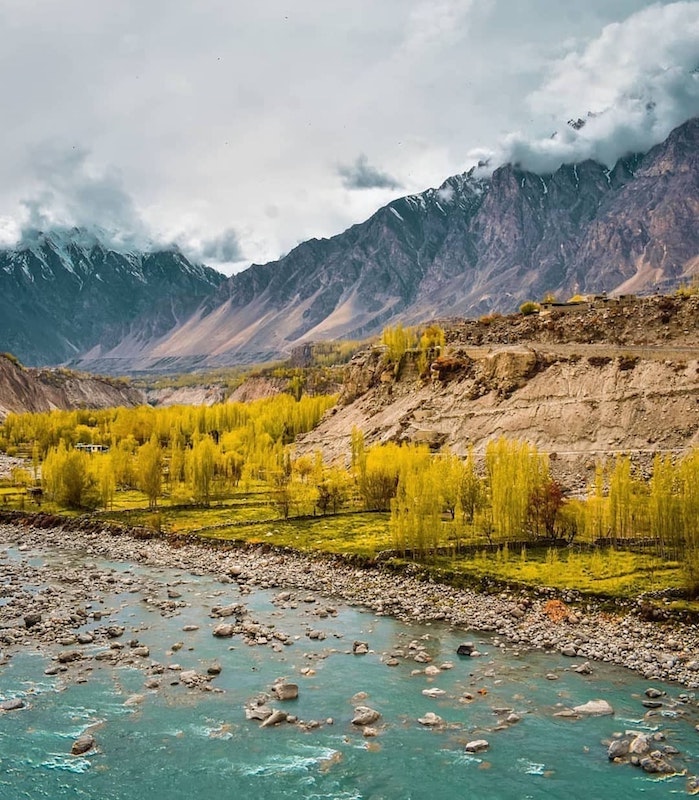 Hunza Valley. Photo by Shakeel Ahmad on Unsplash
This is just about thirty years greater than the average life expectancy in Pakistan (67,) and twenty years greater than the average in the U.S. (78,) the UK (81) or Canada (82.) So how are they doing it? What’s the secret to their undying health?
Well, it’s simple. I suppose that’s confusing, let me rephrase: the secret is to live simply. See, the Hunza people are fairly isolated from the outside world. They live in an area of high elevation where they shoulder laborious work. This daily exercise— along with the fresh air — keeps them in peak physical condition.
The real driver of Hunza people’s longevity, though, is diet. The tribe subsists entirely off the land, effectively maintaining a plant-based, nutrient-rich diet. Foods are either planted or gathered, and almost always eaten raw (i.e. uncooked and unprocessed.) The Hunza diet is rich in vegetables, fruits and grains, with less substantial focus on meat.
In fact, one of the primary components of their diet is apricot juice. This staple feeds the tribe for several months in a year. It’s said that the vitamin b-17 in apricot seeds protects the Hunza people from cancer. Whether they’re truly impervious or not, the Hunza community certainly qualify as “exceptionally healthful.”
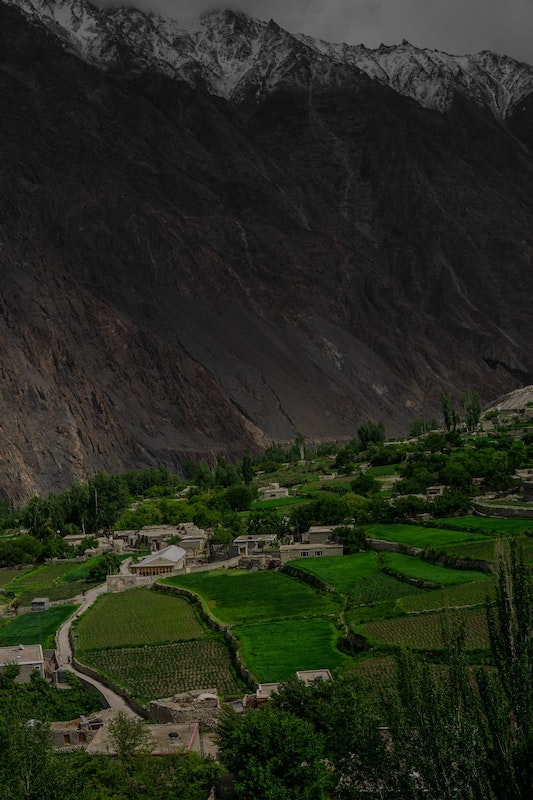 Hunza Agriculture. Photo by Shuttergames on Unsplash
Okay, so now you might be asking yourself: “Isn’t happiness subjective?” “Are they really the happiest people on Earth?” Who knows. But they are certainly one of the healthiest, and health has been irrevocably linked to happiness.
This is evident through the “gut-brain connection,” which states that stomach and intestinal distress can be the cause (or product) of anxiety, stress, and depression. In other words, the good you put in is the good you get out. When you treat your body right, you start to feel right.
Okay, so, happiness might not be subjective. After all, we’re not philosophers, who really cares? But no one can dispute that a healthy body makes for a healthy mind (a happy one.)