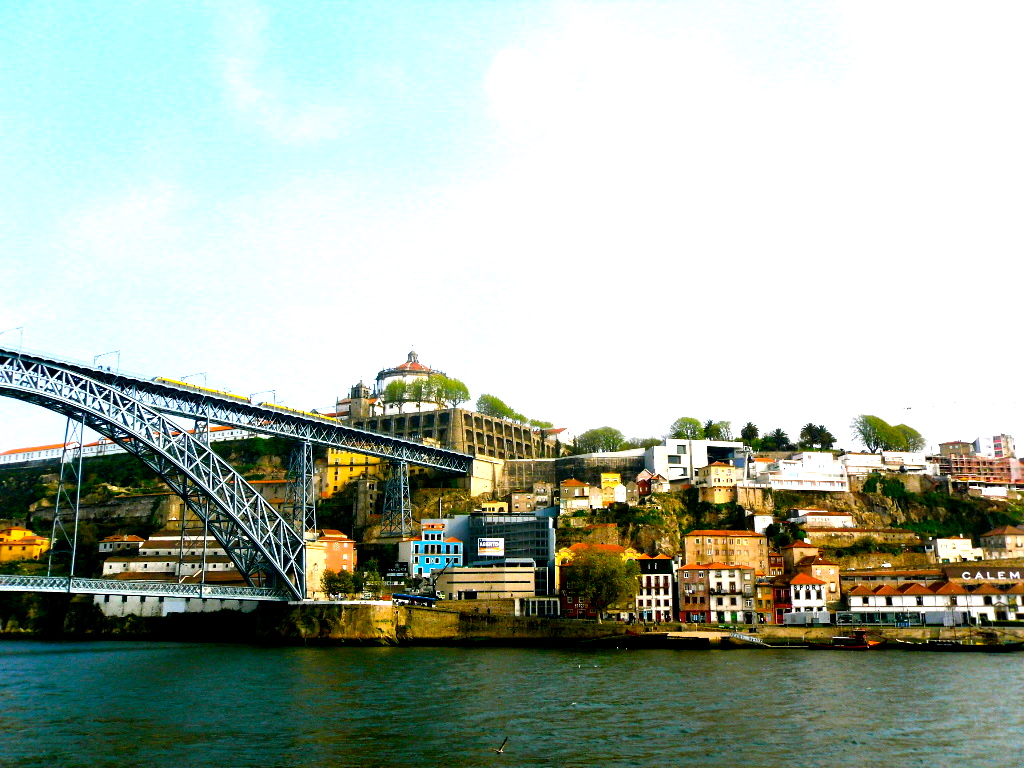
The crumbling buildings of Porto collaborated to create a picture devoid of the clean lines of works like Oslo’s Opera House or a perfectly maintained Frank Lloyd Wright piece, but full of alluring character just begging to tell a story.

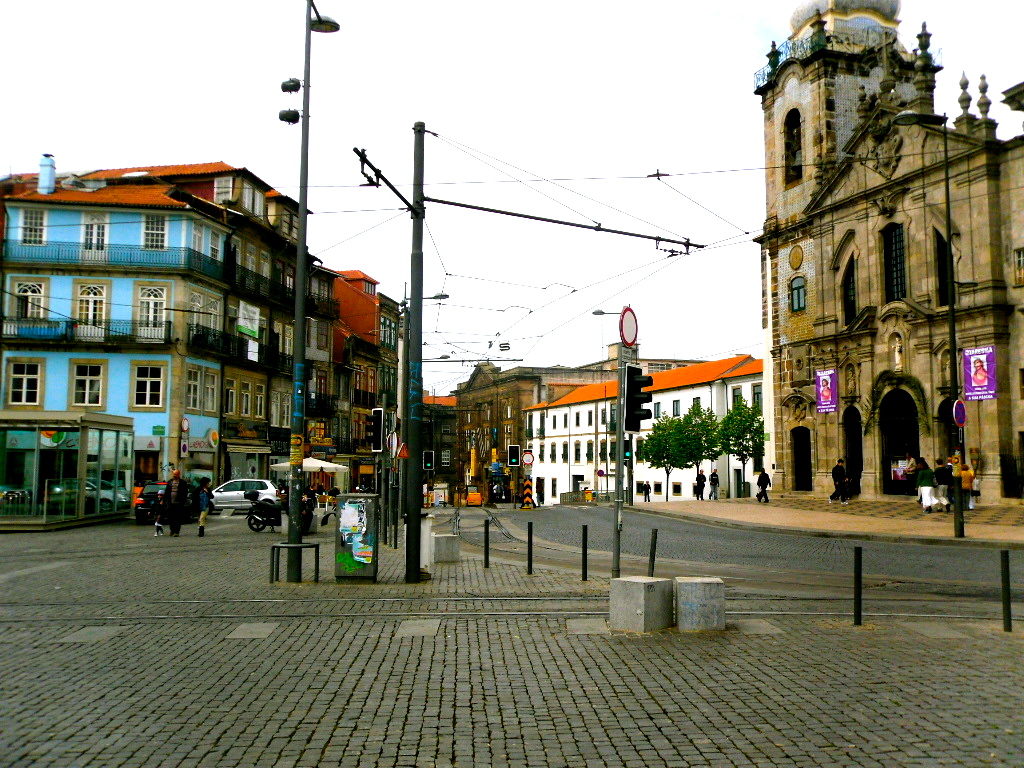
Similar to the Portuguese capital of Lisbon, the streets of Porto weave through the hills of Northern Iberia haphazardly with seemingly no organization. It’s almost as if concrete was poured onto the peak of the hills and allowed to filter down to the river on its own terms. No part of the beautiful city sports the typical, modern grid organization of streets making it nearly impossible to navigate via personal vehicle. When asking directions of passerby and shopkeepers their long-winded answers were always preceded by brief a chorus of laughter. It was almost as if the locals knew that we would never find our way, but thought that they’d try to practice their English anyways.
The rugged, haphazard nature of the street patterning match the crumbling facades of the buildings that fill the city. Nearly half of the residential buildings remain boarded and chained up, sporting a variety of graffiti tags. Those that look more operable still look like something out of a Call of Duty map. Walking around, I began to wonder where people live. Portugal is considered a first world country, but by the looks of Porto, I was thinking that my homeland resembled more of Mexico more than the United States.
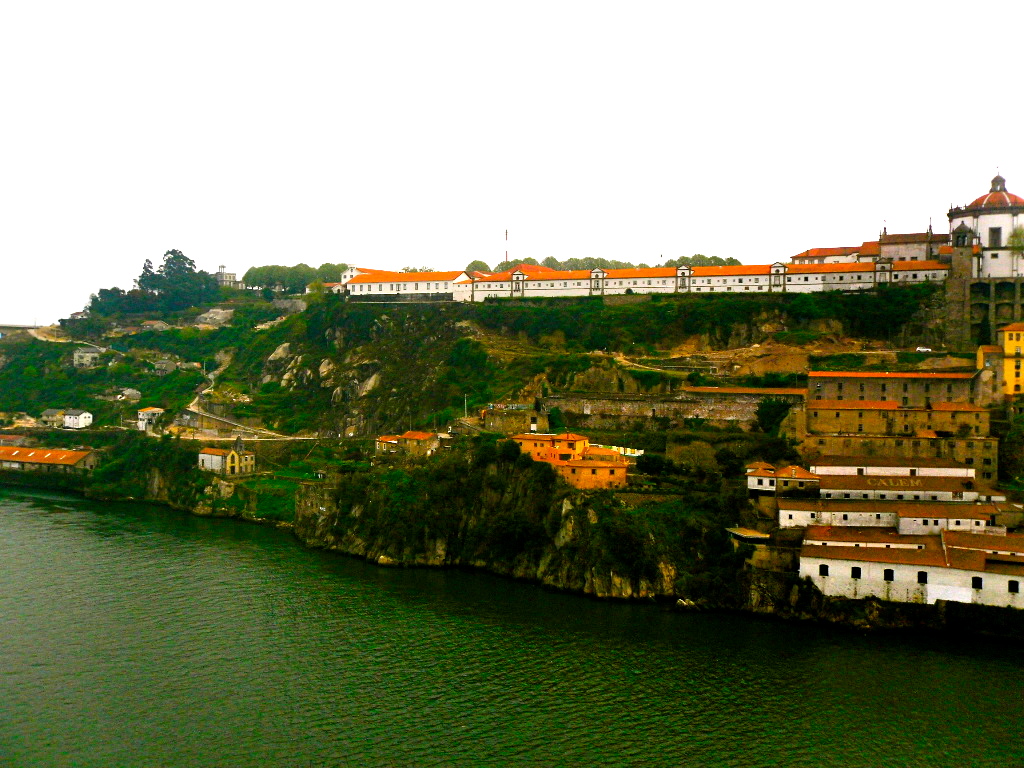
Atop the church clock tower, we could properly view the expanse of the city. The lack of organization with regard to the architecture and city planning actually provided for quite the sight. Each building seemed independent. No roofline seemed to correlate with the roof of the building next door creating a cubic three-dimensional topography of orange terracotta tiles.
While standing above the city, I recognized a different form of architectural beauty. The crumbling buildings of Porto collaborated to create a picture devoid of the clean lines of works like Oslo Opera House or a perfectly maintained Frank Lloyd Wright piece, but full of alluring character just begging to tell a story. The oldest structures surrounding the church and the waterfront remain renovated thanks to the tourism industry and the famous Porto wine cellars. Straying from these main areas, we were liable to find ourselves peddling through these back alleyways, which I eventually came to appreciate. What I initially saw as a bunch of annoyingly winding streets lined with decrepit, vacant buildings actually formed a standing timeline laced with literature describing the city’s past development.