
Old kingdoms, massive temples and intricate architecture.
 PHOTO Wendy Hung
*Images were taken prior to the earthquake in Nepal 2015.
It’s a famous slogan that there are more temples than people in Nepal. In Kathmandu Valley alone, there are seven UNESCO World Heritage Sites. First, understand that a Durbar Square is an old Newar kingdom in Nepal. There are 3 major Durbar Squares you need to see in Kathmandu, they contain temples, open courts, water fountains and religious idols.
Then, remember that Newars are historical residents of Kathmandu. Think of them as a civilization which created much of what you see today. Currently, they make up 5% of the entire population in Nepal, but their unique architecture and artworks have attracted worldwide travelers.
1. Boudhanath stupa
Boudhanath (Boudha), Kathmandu 44600, Nepal (map)
Also called “Bouda,” is one of the largest stupas in the world. The most popular tourist destination in Kathmandu may have been partly demolished from the earthquake in 2015, according to Boudhanath Area Development Committee, it will take two years to finish reconstruction.
Worshippers believe the stupa contains the remains of Kassapa Buddha. It’s located on the old trade route from Tibet to enter Kathmandu, it’s where Tibetan merchants stayed and prayed during numerous centuries. Later in the 1950’s, when Tibetan refugees entered Nepal, they also lived in the surrounding area.
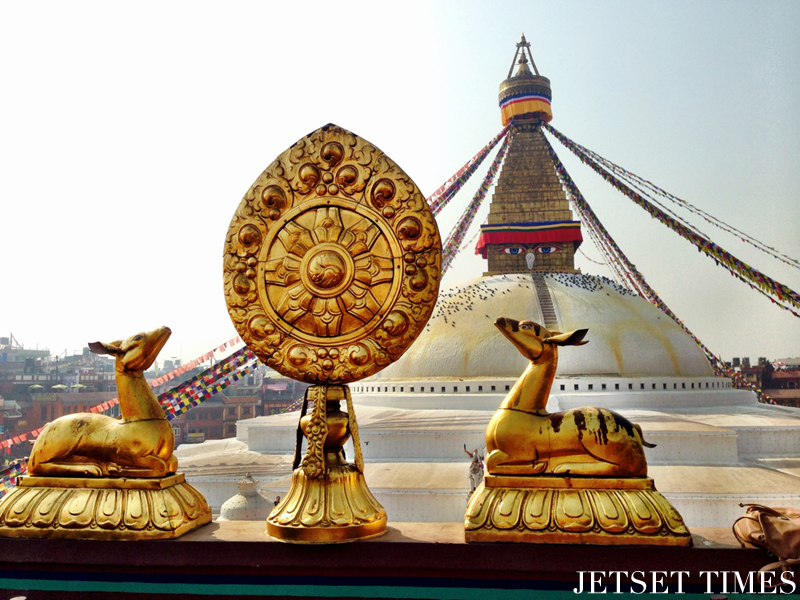 PHOTO Wendy Hung
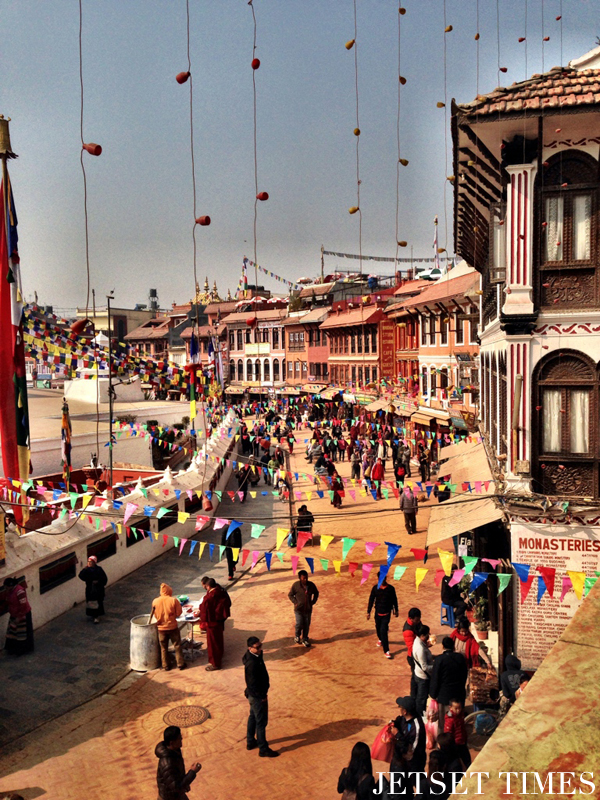 PHOTO Wendy Hung
2. Pashupatinath
Pashupati Nath Road, Kathmandu 44621, Nepal (map)
Located in the east of Kathmandu, Pashupatinath Temple is on the banks of the Bagmati River where worshippers bathe as a rite of purification. Ashrams, images, inscriptions, sadhus in long dreadlocks are vibrant characteristics making the celebrated temple a must-see.
This is one of the most impressive landmarks in Nepal due to the extensive Hindu temples and ashrams in the area. Visiting here during Hindism’s Maha Shivaratri Festival – which local calls “Marijuana Day” indicating a day when smoking pot is legal in Nepal – is a sight all on its own.
The main temple complex of Pashupatinath and sanctorum weren’t damanged from the earthquake but some outer buildings were left in crumbles.
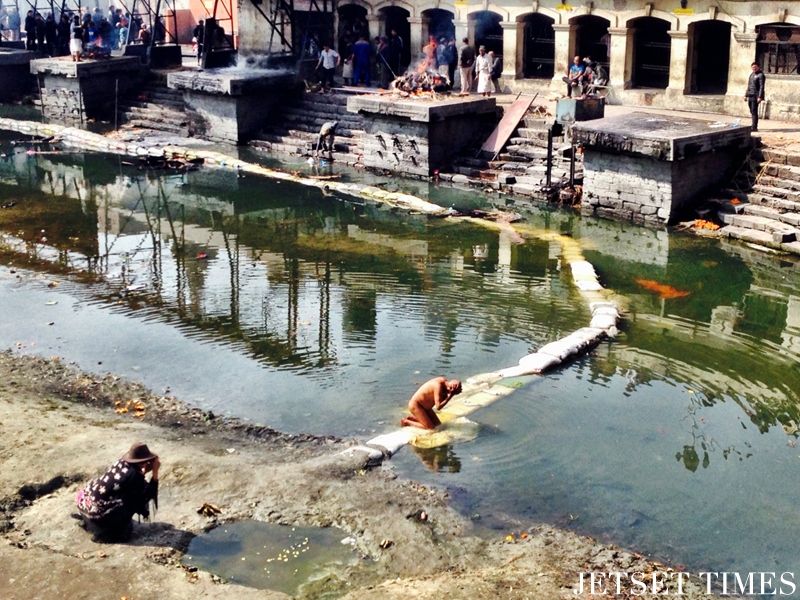 Photo: Wendy Hung
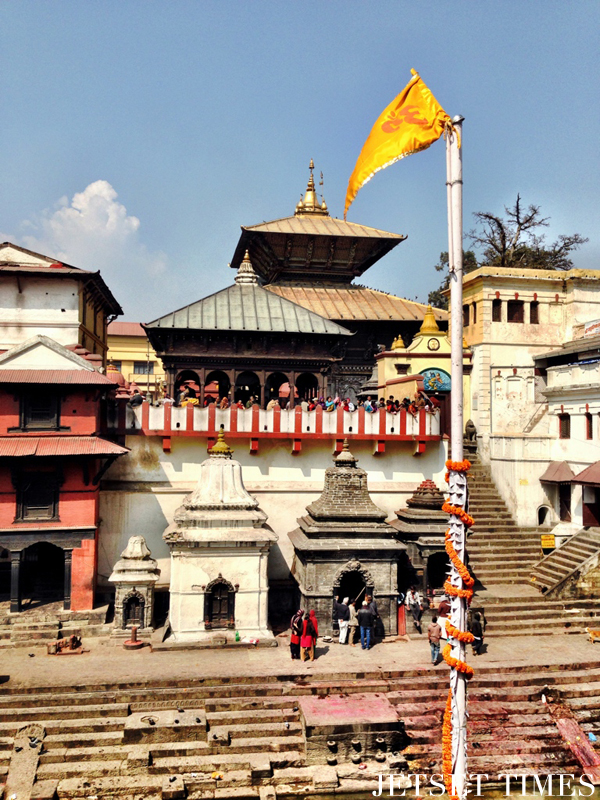 Photo: Wendy Hung
3. Bhaktapur Durber Square
Bhaktapur 44800, Nepal (map)
Bhaktapur, means “Place of Devotees,” was an isolated kingdom as opposed to the other two: Kathmandu and Patan. In Bhaktapur, locals speak a different Nepal local language. This is where you’ll see extravagant temples in wooden architecture and beautiful stone artwork.
This area was horribly destroyed from the earthquake with 67 heritages completely shattered and 49 were left partly damaged. Complete reconstruction will cost Rs 293 million (USD $2.7 million) which has begun.
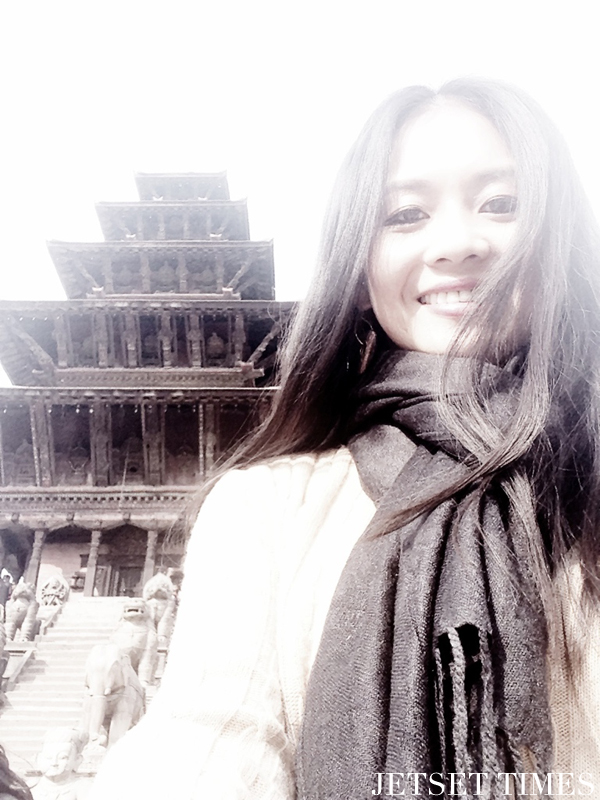 Photo: Wendy Hung
4. Swayambhunath
Swayambhu, Kathmandu 44600, Nepal (map)
Although in Tibetan, Swayambhunath means “Sublime Trees,” this is more popularly known as the Monkey Temple as you’ll see herds of holy monkeys resting, jumping or flying around shrines. In recent years, a library, a Tibetan monastery and a museum were added to the religious grounds.
You’ll want to climb up 365 steps to arrive at the main temple and check out the view from top of the hill. Myth has it that the entire valley was a lake which grew a lotus that formed into the Swayambhu valley (translation: self-created.)
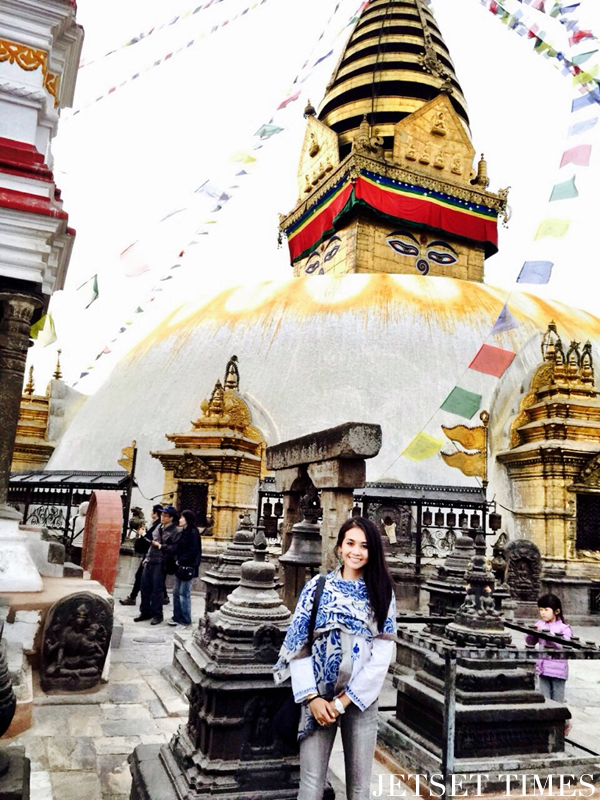 Photo: Wendy Hung
5. Kathmandu Durbar Square
Ganga Path, Kathamndu 44600, Nepal (map)
Another impressive site is the Kathmandu Durbar Square which was home of the Malla and Shah kings’ palaces adorned with embellished wooden windows that whisper tales of the royals. Snap a picture by the gate with monkey god by the name of “Hanuman Dhoka.” Unfortunately, much of this part of the city was also destroyed by the earthquake in April 2015.
The most fascinating part about this particular Durbar Square is Kumari Chok, which is a special room with a “human goddess” inside. At particular hours of the day, she will reveal her face on a balcony for tourists to view. A human goddess is a young girl selected through an ancient and religious process, designating her as the human incarnation of the Hindu mother goddess Durga. She makes appearances during ceremonies and festivals.
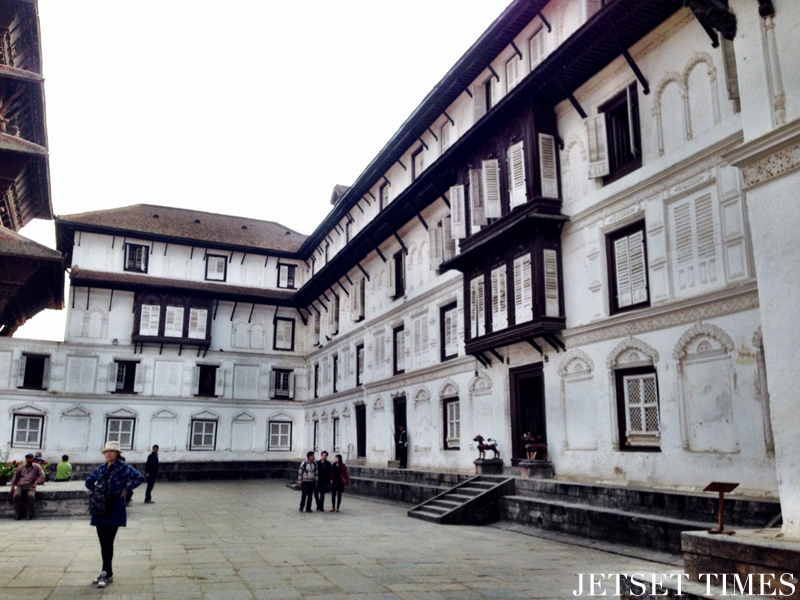 Photo: Wendy Hung
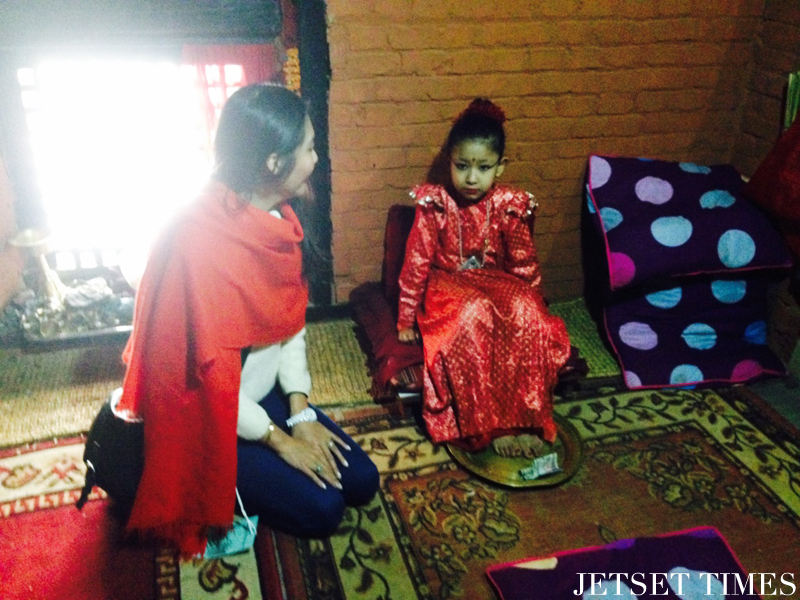 Photo: Wendy Hung
6. Patan Durbar Square
Patan 44700, Nepal (map)
One of the world’s oldest Buddhist cities is Patan. It hubs both Buddhism and Hinduism. At Patan Durbar Square, the Malla Kings made significant changes to the architecture in the 1600s, so don’t miss the Ancient Royal Palace. Though much of the damage was also caused by the earthquake.
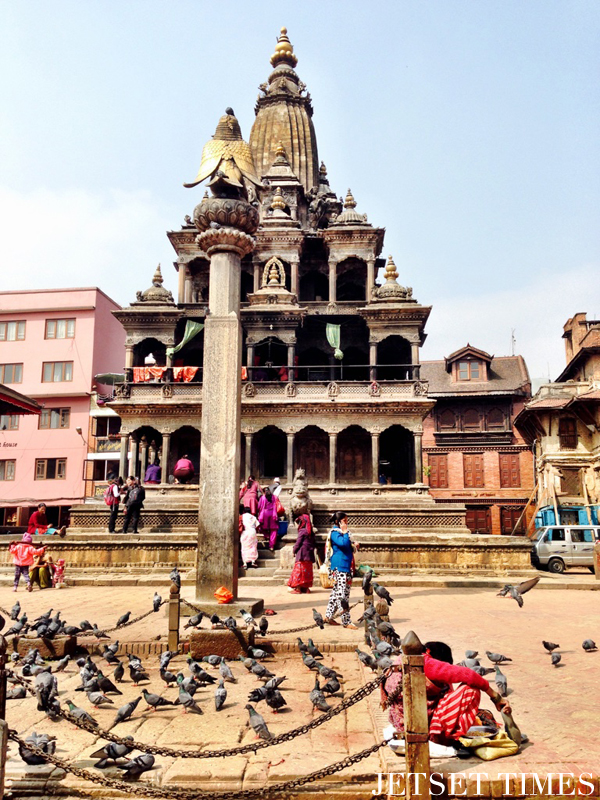 Photo: Wendy Hung
