
The contents of the jubako, filled to the brim to celebrate the coming of the New Year, will vary from family to family.
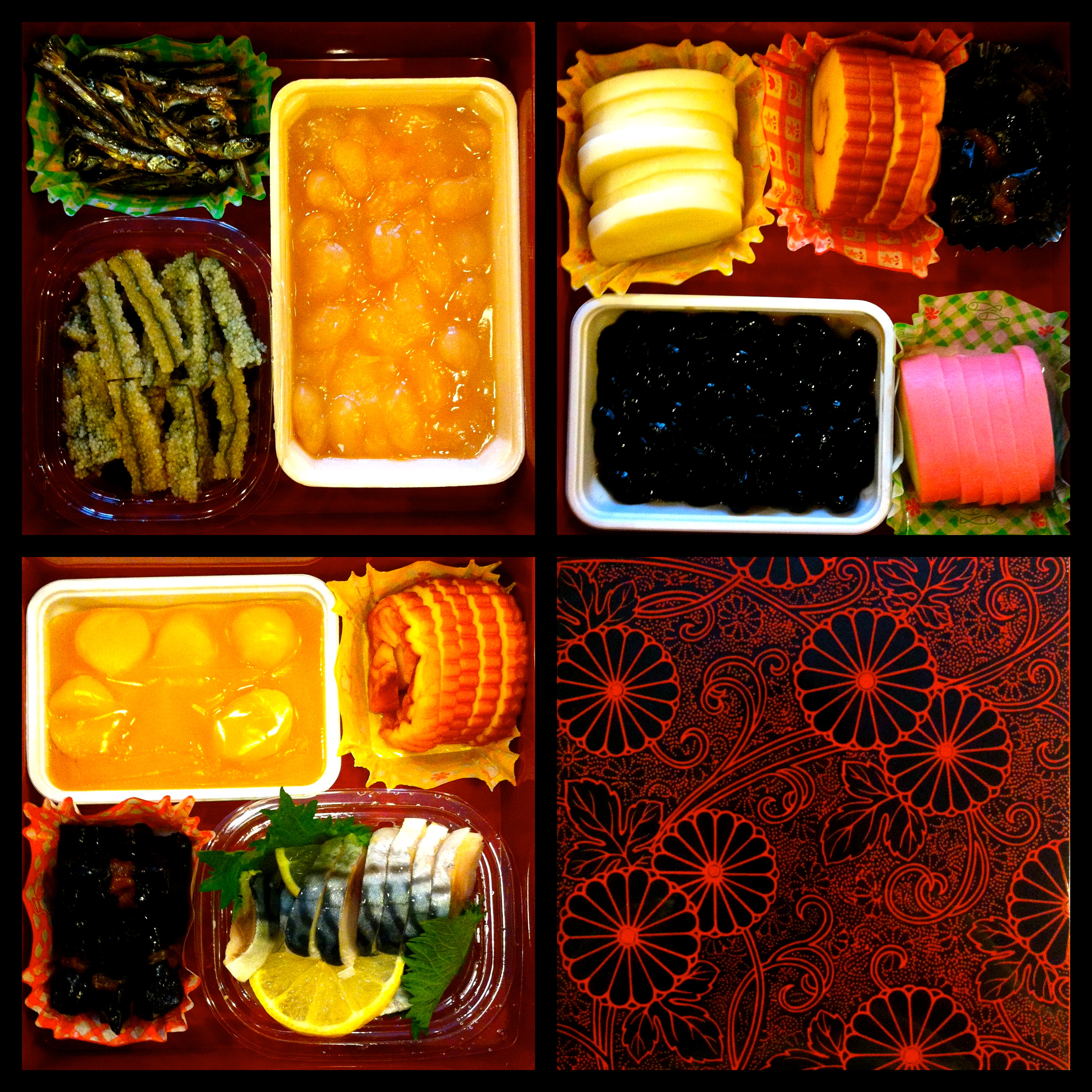 PHOTO MARINA KANEKO
When New Year’s Day rolls around, I know I can count on one sure thing. Without fail, every January first, my dad and I sit in the kitchen arranging special Japanese foods in a jubako, a traditional three-tiered lacquer box. He will explain to me how each of the ingredients is cooked, its name in Japanese, and any auspicious or obscure health benefits that come with eating it. In a meld of didactic recitation and dry humor, I can always glean his underlying excitement to complete the preparations. We can then finally enjoy the tasty bites of sticky-sweet dried niboshi fish that look back at you with silver eyes, pillow-soft sashimi, or crunchy marinated komochi kombu egg roe. The rest of the menu that tradition prescribes for the first day of the new year are toasted mochi and soba (noodles for longevity, of course).
“Do you know why they call it that?”
His chopsticks become his professorial pointer. In this corner: datemaki, a spongy rolled egg cake purportedly inspired by Portuguese cuisine. In that tier, shiny seaweed rolls neatly tied like packages are professed to make your hair thicker.
“The string you see tied in the middle is made from kanpyo. It’s the skin of a gourd that is peeled off and dried in the sun.”
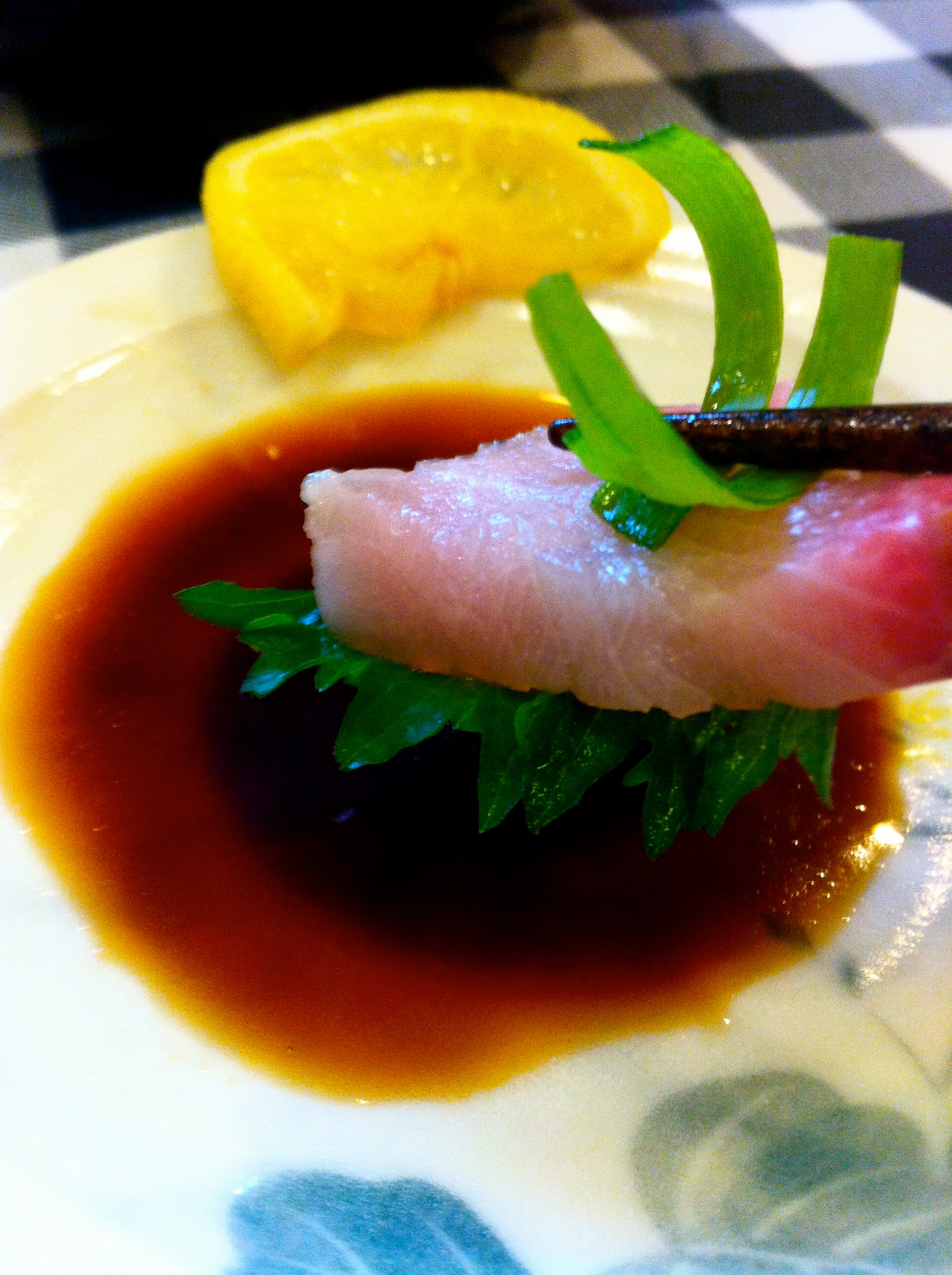 PHOTO MARINA KANEKO
Then he will proceed to translate and parse each Japanese name in its original Chinese characters. A small fish is offered up to the family, taking to the air amid proclamations of “Calcium, calcium!” And then, even though we already know the secret, my dad will explain how the black beans get so shiny: they are boiled in a pot with one single rusty nail.
The contents of the jubako, filled to the brim to celebrate the coming of the New Year, will vary from family to family. According to an ambiguous disclaimer during my father’s tour of the feast, “There are other items that are normally part of shogatsu (New Year’s food) though. So don’t be embarrassed…”
As a kid I remember being quite a shy eater. I was probably intimidated by my dad’s antics and learning about how they harvested the fish eggs and boiled this or that, simmered or dried it, and maybe even ground it into a paste.
What I love about traditions like these is that they are as I expect them to be, but then they surprise me in marking the passage of time. Over the years, the funny tastes in the tall lacquered box have become familiar, comforting, and anticipated so much so that I have graduated from a neophyte nibbler to a three-tiered champion. This year I can proudly say that I went bite for bite with my father. (Both of us favor the rusty kuromame black soybeans.)
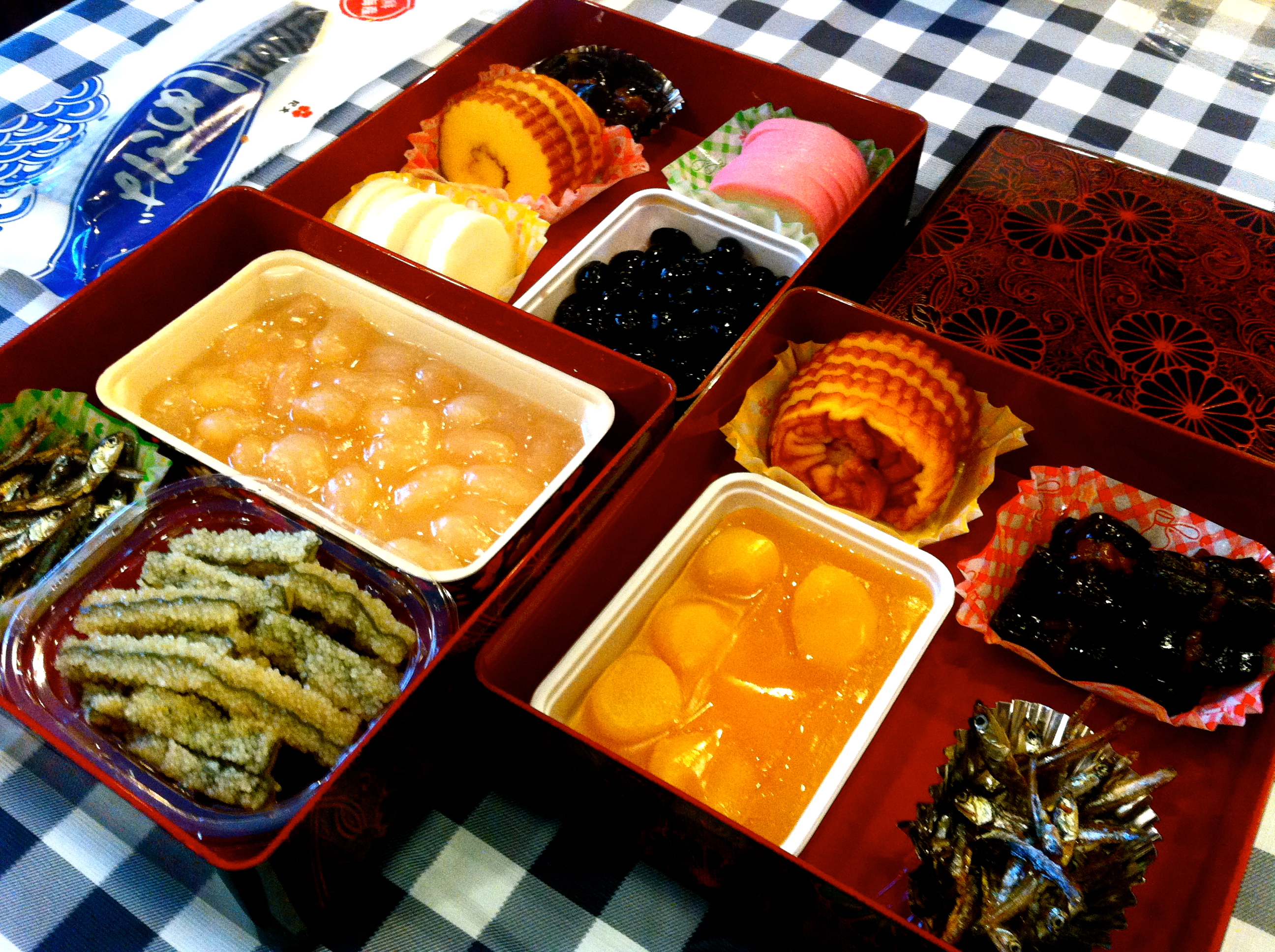 PHOTO MARINA KANEKO
When we’ve reached the end of the lesson, these days he’ll just tell me to ‘Google’ another Japanese food that I’ve never heard of instead of explaining any more. This is before urging me to keep eating with a false threat, “Hey, have more of this, otherwise we’ll just end up throwing it out.” Then again, some things never change.
So here’s to appreciating tried and true traditions in 2013, and to trying new tastes, and creating new traditions while moving forward!
Article written by Marina Kaneko.
