
Eating your way through Kyoto is an exploration through Japan’s artistic and ceremonial heritage while discovering its ancient beauty.
There’s no denying that Kyoto is Japan’s old capital embedded with vintage glamour and multifaceted culture. To enjoy a voyage of delicate meals throughout the city is a revealing passageway to further understand the region, prosperous land and traditional beliefs.
On this list, there’s a number of restaurants serving kaiseki meals, which is a classical Japanese tasting course typically accompanied by tea ceremonies that has elevated into today’s Japanese haut cuisine style. Omakase is also depicted in a few eateries on this list, as chefs proudly serves intimate restaurants with their choices of dishes for the day. For quick lunch breaks, there are also prominent ramen and udon shops that we highly recommend. Here are eleven of our favorite restaurants in Kyoto, itadakimasu!
View this post on Instagram
Ryosho
For an unbelievably tasteful dining experience in Kyoto, make a reservation at Ryosho 凌霄 which opened in 2022 and already garnered much Michelin fanfare. Chef Makoto Fujiwara’s artful presentation begins at the entrance, known to greet guests as they arrive at his restaurant. The entire sonnet of 10 to 12-course meal covers appetizers to dessert, using the highest quality of seafood and vegetables gathered from local markets. In autumn, seasonal ingredients include matsutake mushroom. Crabs are featured during winter and spring months, while puffer fish can be devoured from December to February.
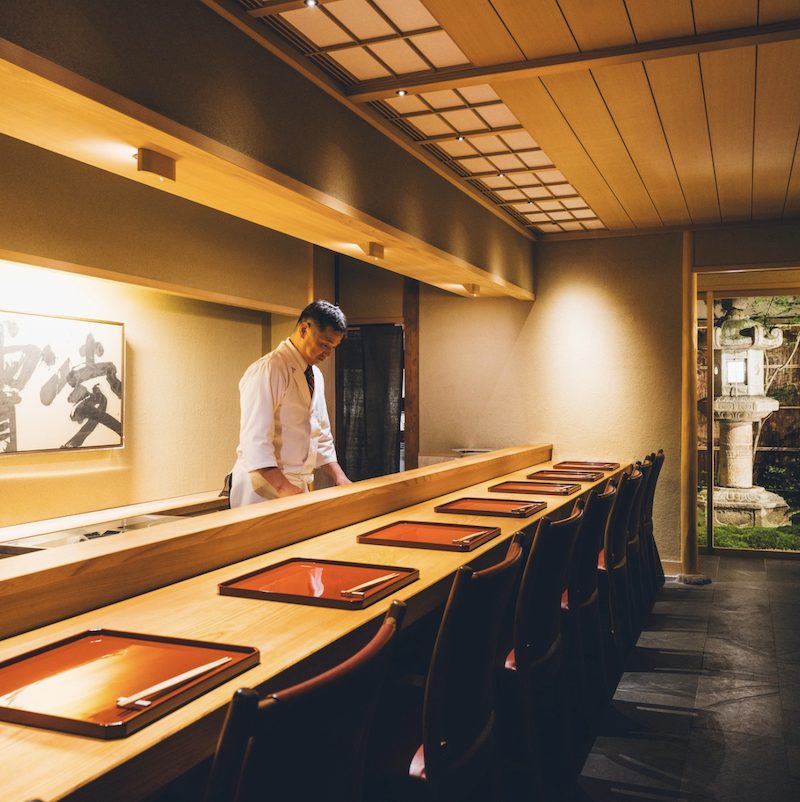 INSTAGRAM @ryosho_hrl
Hyotei
Your experience in Kyoto isn’t complete until you’ve spent a few hours in a proper tea house, and there’s no better place than Hyotei 瓢亭, situated in the tranquil Nanzenji Temple. For more than 450 years, Hyotei has maintained its culinary integrity of beautifully depicting Japanese heritage through traditions. Chef Yoshihiro Takahashi is the 15th generation headlining this historical institution, and aims to introduce Japanese culture to a younger generation with his variety of kaiseki cuisine: half-moon bento, three-tiered bento, Shokado bento, and other bento boxes.
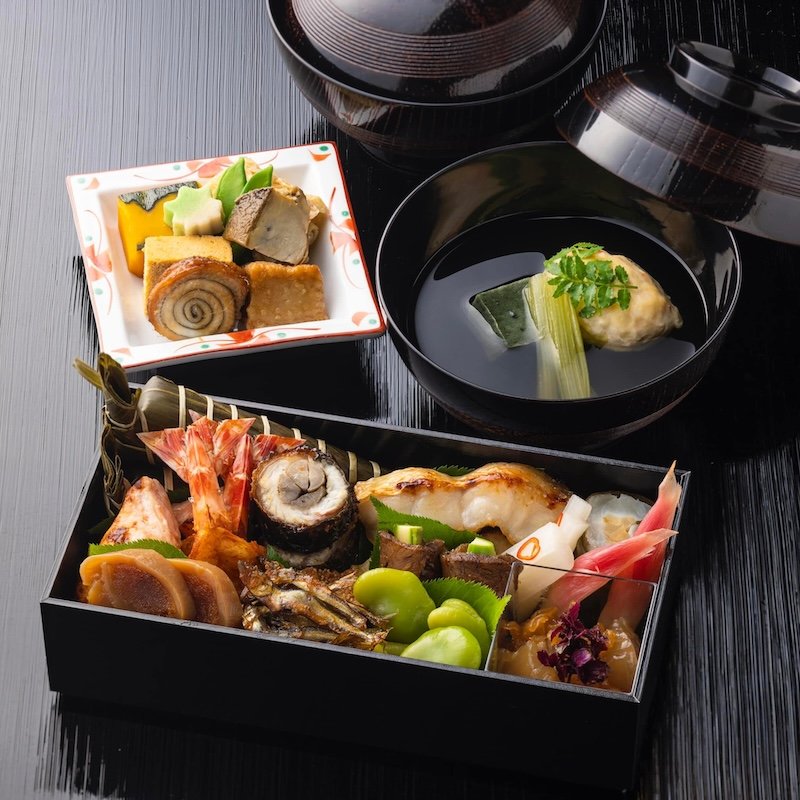 FACEBOOK 瓢亭

Omen Ginkaku-ji
If you want truly delicious udon in Kyoto, then Omen is your joint. The name does not carry any prophetic significance but in Japanese, it means: noodles. Either hot or cold, Omen features all types of thick udon that’ll leave you wanting for a different bowl every day. From traditional kake udon (served in a hot dashi soup and minimal toppings,) tempura udon to niku udon for meat lovers. Both tatami seats and table seating are available, but arrive early or expect to wait in long lines during high tourist seasons.
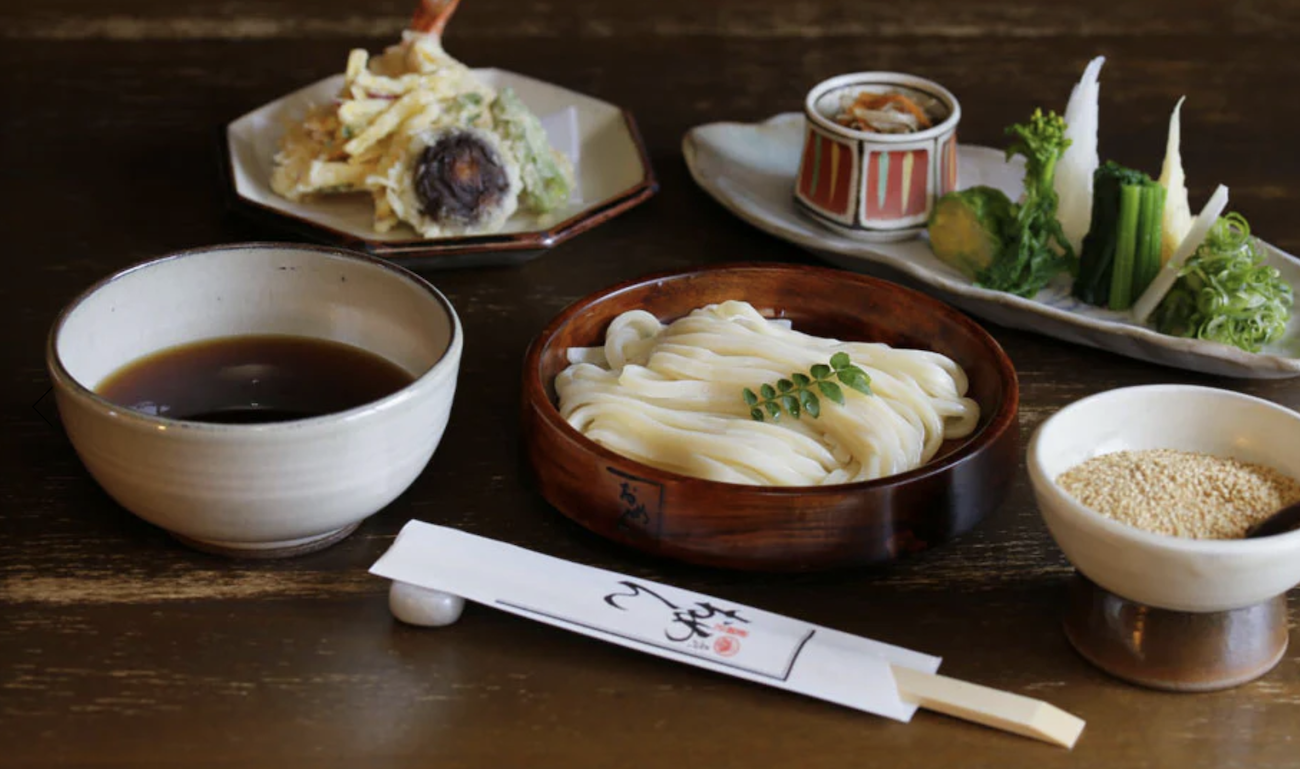 PHOTO Omen
Kikunoi Honten
For an elegant dining journey, check out Kikunoi 菊乃井. Adorned with tatami mats and 11 cozy rooms, chef Yoshihiro Murata changes his menu daily, using the best from the region, including: Grilled Abalone with Seaweed, Sea Urchin, Young Shoots. Or, Salted Grilled Sweetfish is another fine example of local freshness. Green Plum Simmered in Wine Sorbet can’t be missed. Patrons are welcomed to the restaurant by a serene garden which reflects upon Kikunoi’s values of integrating Japanese heritage through artistic senses.
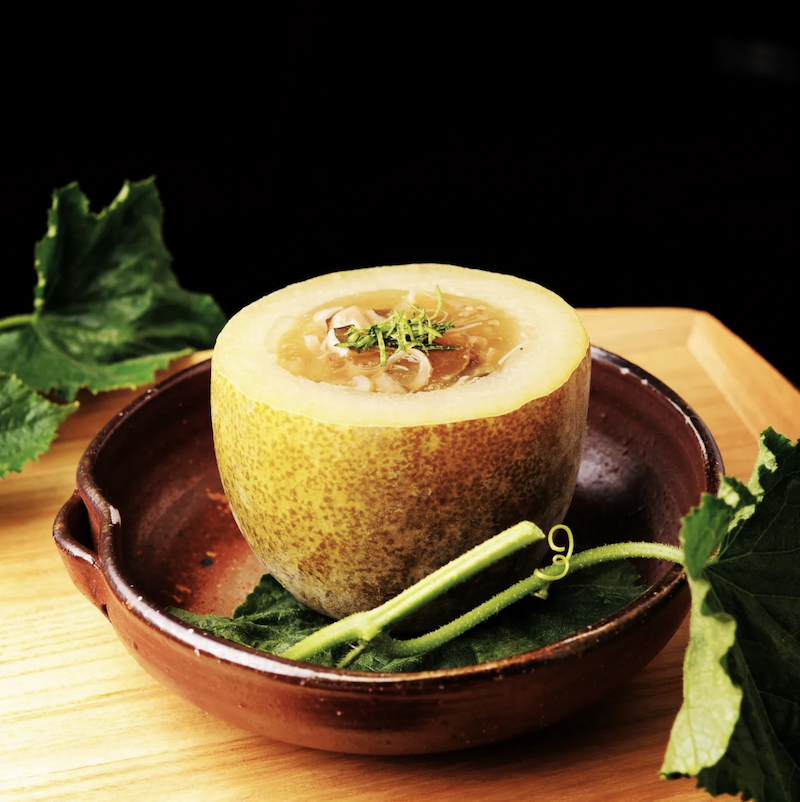 INSTAGRAM @kikunoi_honten
LURRA°
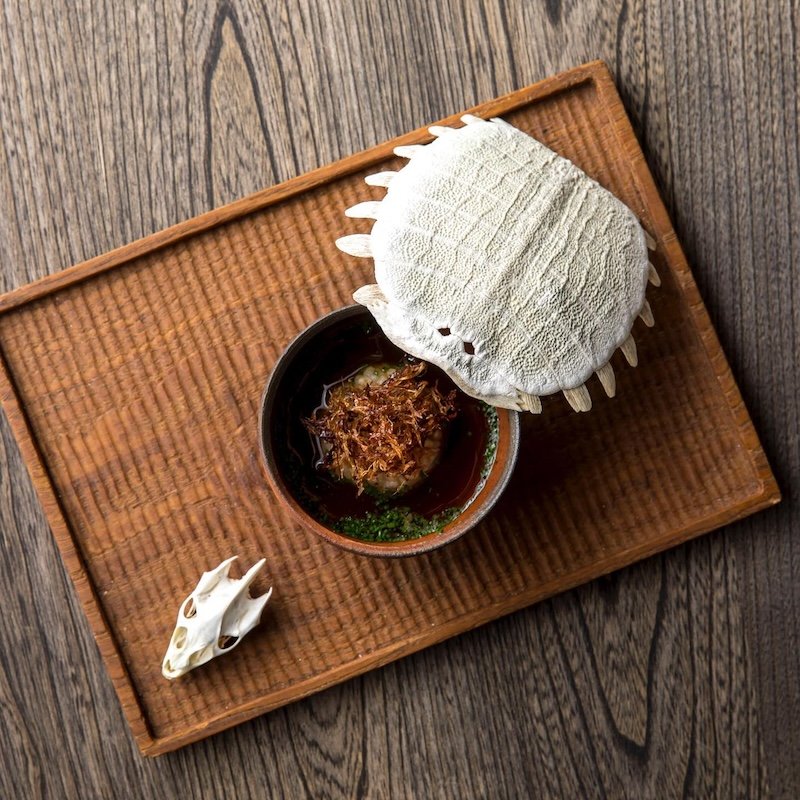
Chef and founder Jacob Kear was trained in Copenhagen’s Noma and wanted to create a fusion of Nordic cuisine along with ingredients and produce sourced directly from Kyoto. The result is his wildly popular restaurant: LURRA°. The open-kitchen townhouse seats merely ten diners, highlighting intimate and meticulous service. Foraged, fermented, cured…can all be expected in this full-circle culinary path. Since the name of the restaurant means “Earth” in the Basque language while the circle after is emblematic of the moon which circles around our planet.
 FACEBOOK LURRA
Ichimonjiya Wasuke
Right by Imamiya Shrine is a historical family-run mochi shop which has been around since 1002. For mochi fans, Ichimonjiya Wasuke 一文字屋和輔 is a foodie temple all on its own, a rare chance to taste the millennium-old abura mochi recipe. The mochi – skewered, roasted in soybean powder then grilled and glazed with brown miso – has since become an iconic treat in Kyoto.
.jpeg) FACEBOOK あぶり餅 一和(一文字屋和輔)
Mizai
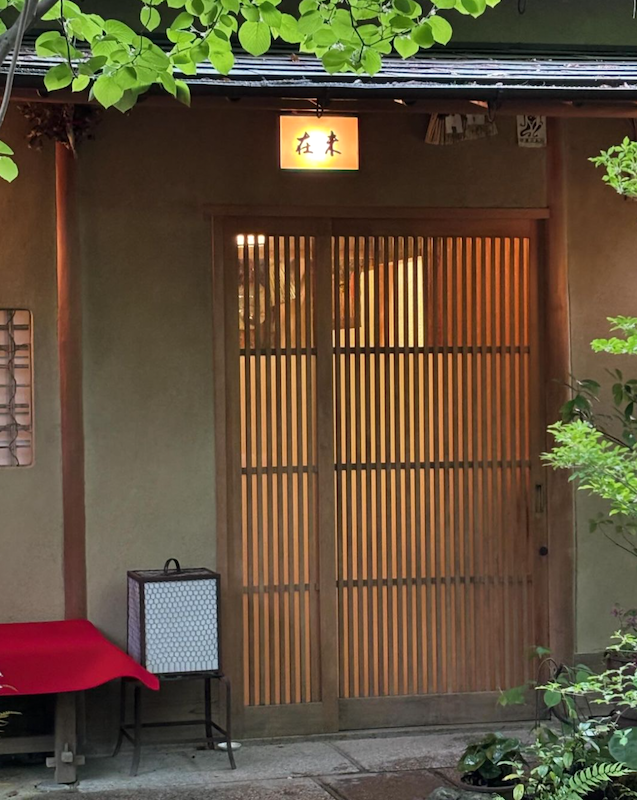
Mizai 未在 is another 15-seat kaiseki meal, charmingly surrounded by Maruyama Park. The residence is not only where chef Hitoshi Ishihara lives but where he also prepares a three-hour tasting menu which commences with steamed rice, soup, and sashimi. The decadent meal ends with matcha tea sourced from Yasaka Shrine’s holy water. Renowned for its tea kaiseki, Mizai infuses tea ceremony and Japanese culinary techniques.
 INSTAGRAM @mindfluid9
Nakamura
Isshi Souden Nakamura 一子相伝 なかむら was founded 180 years ago as a family business that brought fish from the Wakasa region to Kyoto. Now, the renowned restaurant is led by Motokazu Nakamura – the sixth-generation owner-chef – who uses home cooking which depicts his family’s passion for food along with Kyoto’s most-prized ingredients. There are four omakase menus (a chef-curated dinner) which features various lengths of meals that celebrate Edo Period. Don’t miss its signature dish: rice dumpling soup seasoned with white miso paste.
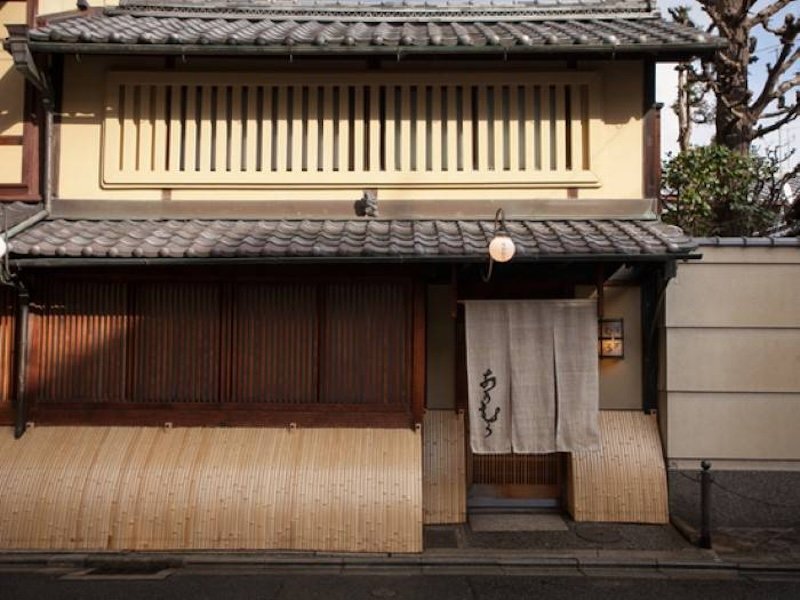 PHOTO Nakamura
RAMEN MURAJI
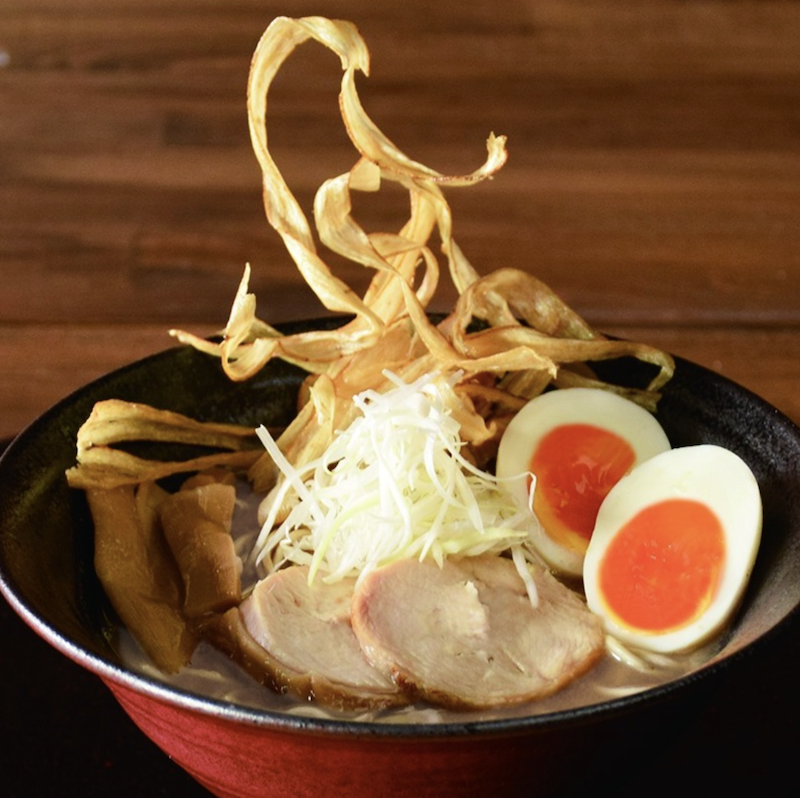
Craving for a lovely bowl of ramen? Then head over to Muraji, tucked in a small alley within the legendary Gion District. Since the restaurant can be busy, try to plan your meal away from peak hours. Indulge in the broth base, written out as “paitan” or white soup in kanji, referring to the color of the soup base resulted from bones simmered for hours. If you’re not a fan, then try the shio ramen broth which is a clear broth ramen soup, heavily seasoned with salt. Either way, you can’t go wrong.
 INSTAGRAM @ramen_muraji
Sojiki Nakahigashi
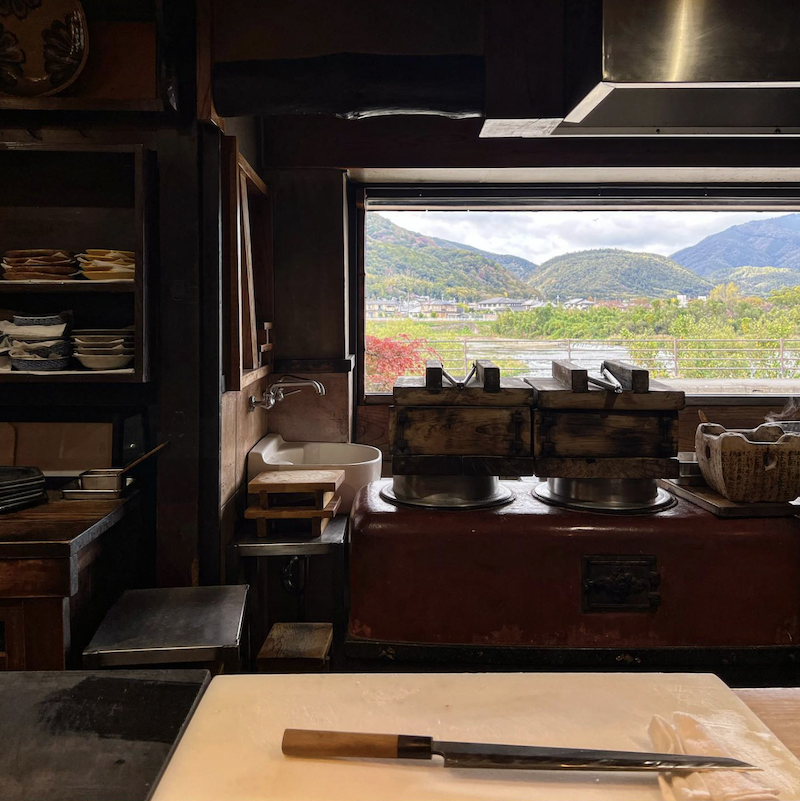
Sojiki Nakahigashi is a rustic yet sophisticated eatery guided by chef Hisao Nakahigashi who is celebrated for his belief in foraged vegetables and herbs. Nakahigashi focuses on “The Creation of All Things,” as his ingredients represent all life on Earth sustained by the light of the sun, water, and air. The chef collects wild flowers and vegetables from the mountains, then transform them into intricate omakase courses. Wonderful storytelling is unveiled through crispy rice, grilled fish to homemade pickles.
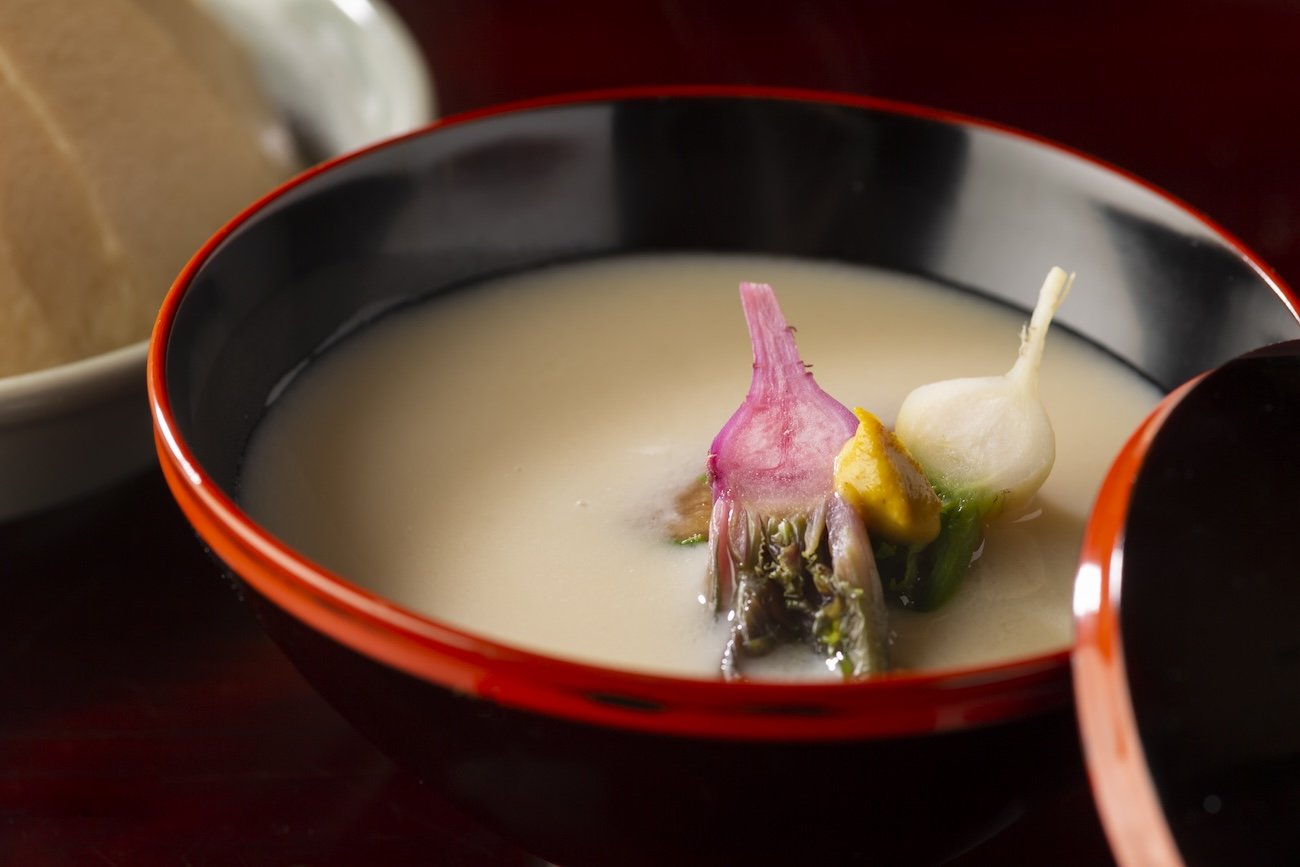 PHOTO Sojiki Nakahigashi
Tempura Matsu
Popular among politicians and traveling foodies, Tempura Matsu has been around since 1973 launched by Shunichi Matsuno. Now, taken over by his son Toshio Matsuno, who has worked with French chef Alain Ducasse among many others, the restaurant is a tasty blend of old and new. From snow crabs to lobster, don’t solely expect to enjoy crispy tempuras at this hotspot. The entire menu encompasses other traditionally Japanese favorites: sashimi, torched sea bass, shabu shabu…just to name a few.
 INSTAGRAM @kudkidd
