What you need to know before celebrating Rosh Hashanah – the Jewish New Year and High Holidays.
 UNSPLASH Anton Mislawsky
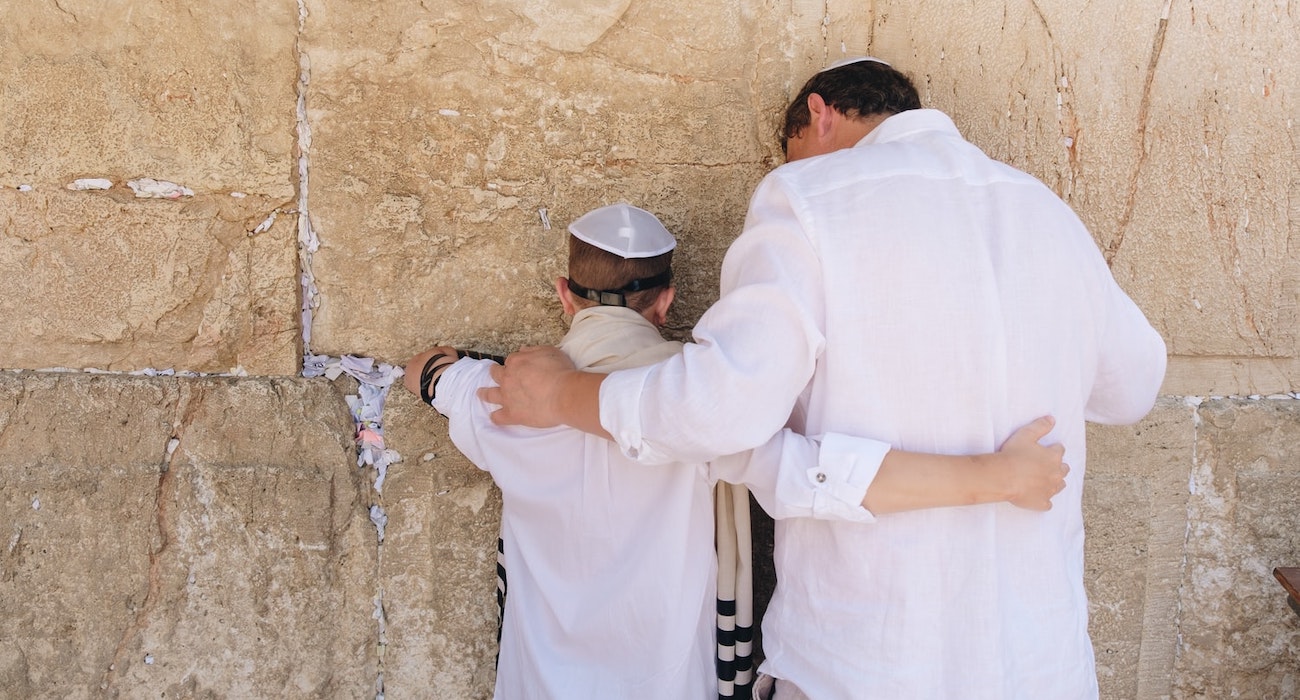
Rosh Hashanah, aka Head of the Year, is the two-day long ceremony to celebrate the arrival of the Jewish New Year. Rosh Hashanah marks the sixth day of the world’s creation, during God’s Seven Days of Creation. Like the “traditional” New Years’ Eve on December 31st, Rosh Hashanah is a reflection and growth time. However, this year’s New Years’ ceremony is more than just bar crawling until midnight and kissing the closest stranger. Rosh Hashanah is a time meant for growing yourself spiritually; it is said that on this day, God takes note of your actions, writing your name in the Book of Life if you follow the proper practice.
On the day of Rosh Hashanah, God’s judgment is being formulated; he is literally writing down everything you have done this past year to judge what you deserve for this new year. You need to partake in three specific actions to solidify/ convince God to allow you a good year.
Teshuvah
Often translated to “Repentance,” Teshuvah is a time of spiritual realignment. However, Jews must begin this journey a month prior during the 30-day holiday of Elul. Teshuvah is a time of prayer and spiritual introspection, having the month of Elul to ground yourself in your beliefs and show God your commitment to Him and yourself. Rosh Hashanah is among the last days of the High Holidays to prove to God your worthiness, the last day is Yom Kippur. Teshuvah is supposed to help bring you back to understanding your true self.
Tefillah
Tefillah is also about prayer, but unlike how Teshuvah is about finding yourself, Tefillah is about finding God within yourself. Attaching yourself to God is bonding through your spirituality. God and you are always intertwined, but praying keeps your intentions pure and your mind connected with Him.
Tzedakah
Tzedakah is about Justice, not receiving it, but being able to give it. In Judaism, there is a significant emphasis on doing good by others. To spread love and happiness is the basis for a good moral code. A man’s possessions are not inherently his because all belongs to God; however, sharing all that God has given you is sharing God’s love. Mitzvahs are commandments to be done by Jews to show God their worthiness of Heaven, think of them as good deeds to get you divine brownie points.
Traditions
 Image by @Ri_ya from Pixabay
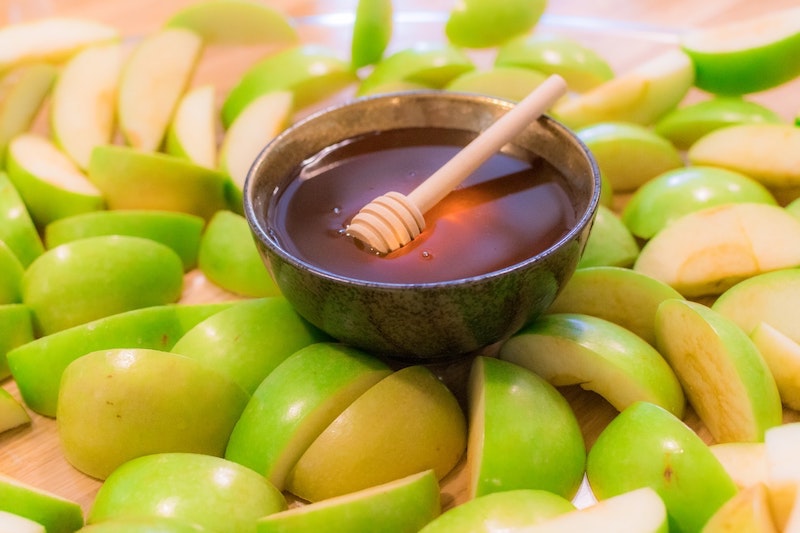
Traditions are a vital part of Rosh Hashanah; they help rid you of past sins while promising you good fortune in return. Blessed honey covered apple slices are eaten to ensure sweetness in the coming year. Unique fruits like pomegranates are also eaten for the reason. Bread crumbs are thrown into bodies of water to literally throw away the sins of the previous year.
At the synagogue, the ceremonial Shofar instrument is blown, symbolizing the beginning of prayer, celebration, and God. It is said that when God blew breath into Adam, his breath sounded like the blowing of a Shofar. Made of sheep’s horn, the Shofar comes in various lengths and sounds, all specifically made to be a natural call of attention to worshipers.
Get your challah bread and apple slices because this year Rosh Hashanah is on Friday, September 18th, until Sunday, September 20th. Shana Tova, my fellow Jews. Have a blessed New Year!
 UNSPLASH Igal Ness