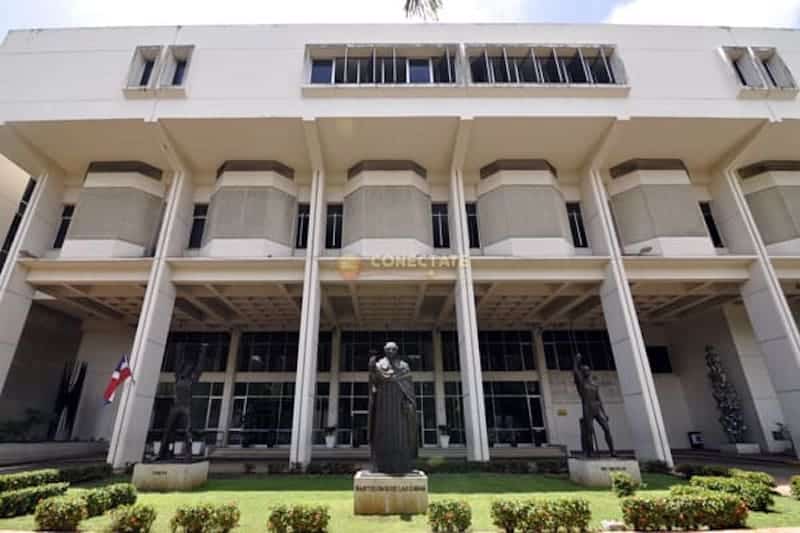
Despite that museums in Santo Domingo are on the smaller side, from a global standpoint, each is unique by paying homage to this beautiful land.
Art galleries, for instance, features works created by artists that often illustrate a similar historical theme: Dominicans’ resistance from European powers. Other museums educate travelers on the island’s natural resources like Larimar stones, rum and sugar cane. Here are some of the best museums in Santo Domingo so you can learn more about its sordid yet resilient past.
@jetsettimes Here are some of the best things to do in #santodomingo #dominicanrepublic 📸🇩🇴 #travel #traveltiktok #travellife #travelbucketlist #traveling #traveltips #travelmemories #travelthrowback #traveldiaries #food #foodie #foodtiktok #foodtok #foodlover #foodies #cocktails #bar #bars #caribbean #caribbeantiktok #island #islandlife #dominicana #dominicano #dominicana🇩🇴 #dominicanos #dominicanos🇩🇴 #santodomingo🇩🇴 ♬ Los Choukarios – Bellecour
Museum of the Royal Houses
Museo de las Casas Reales, or Museum of the Royal Houses, is a must-see in Zona Colonial since it is one of the most significant monuments built during the colonial era. The 16th-century structure is the former palace of the Real Andiencia of Santo Domingo. It makes an important mark in history as not only the first, but also the oldest headquarter of Spanish power in the New World where administration offices were held as well as a place to hold trespassers until their death sentences.
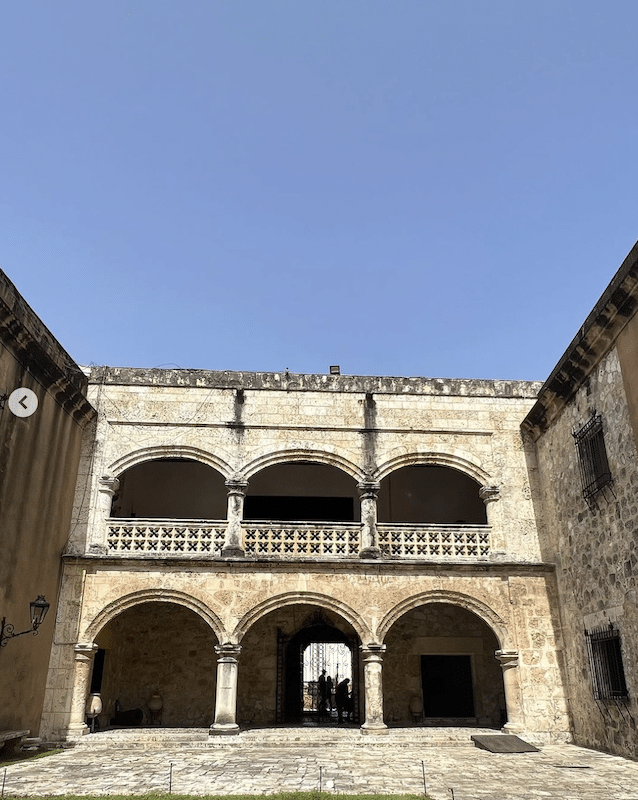 Museo Casas Reales, Santo Domingo. PHOTO WENDY HUNG
Pantheon of the Fatherland
National Pantheon of the Dominican Republic was built in 1714 as a Jesuit church where masses were held. Later, it was used as a tobacco warehouse, then a theater. In 1956, it was transformed into a national mausoleum, as a final resting place for the influential figures in recent history of Dominican Republic.
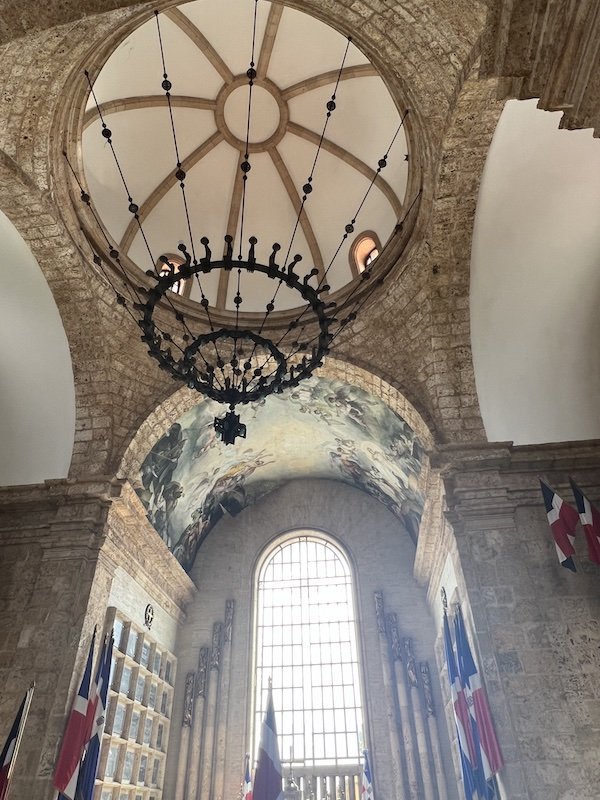 National Pantheon of the Dominican Republic. PHOTO WENDY HUNG
Fortaleza Ozama
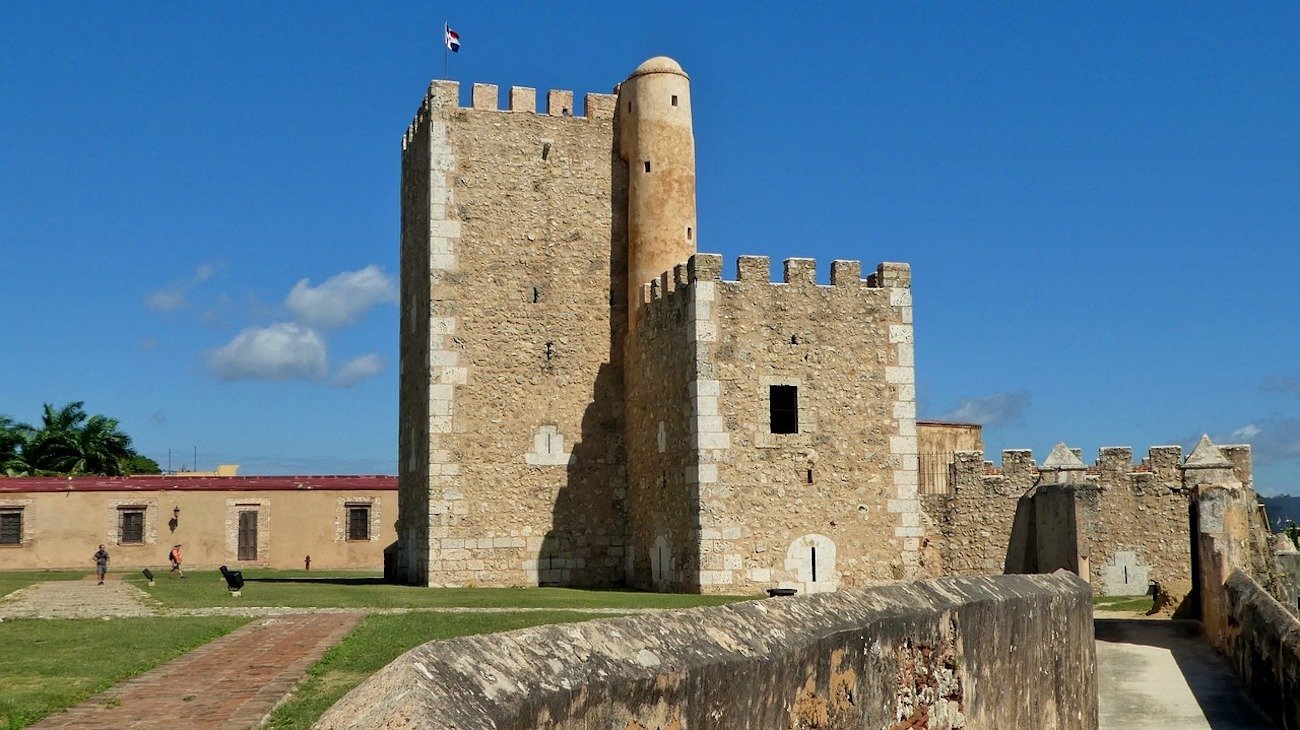
Ozama Fortress was built by the Spanish between 1502-1508, as their entry to Santo Domingo. Named after the river that it sits by, the fortress we see today is one of the remaining Walls of Santo Domingo, the oldest military European constructions in the Americas. Designed in the form of a stone castle, the fortress also houses tunnels and dungeons where prisoners were kept, including Christopher Columbus.
Museum of Rum
Museum of Rum is a lovely place to learn more about the history of rum and sugar cane, from roots of slavery to the development as a source of economic prosperity for the nation. The museum is attached to a ballroom where several night of the week, various dances showcased: merengue, salsa, zumba…etc. There’s also a gift shop where travelers can purchase infused rum made by the museum staff. Ginger, cilantro, pineapple, passion fruit…every flavor is homemade and delicious!
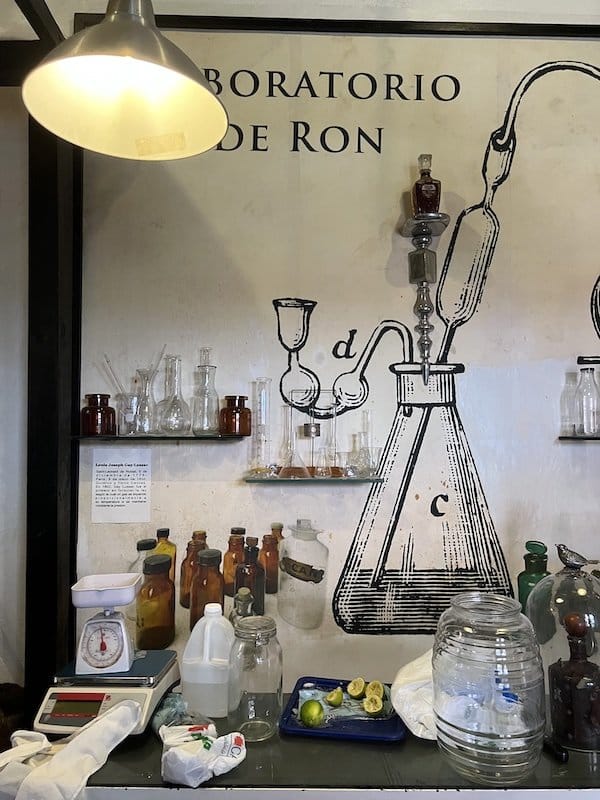 Museum of Rum. PHOTO WENDY HUNG
Museo de Arte Moderno
Museo de Arte Moderno mainly exhibits 20th century and contemporary works by Dominican artists, including: Celeste Woss y Gil, Yoryi Morel, Gilberto Hernández Ortega, Jaime Colson and many more. Situated in Plaza de la Cultura, the museum also showcases visual arts in the Caribbean. The building itself was designed by José Miniño.
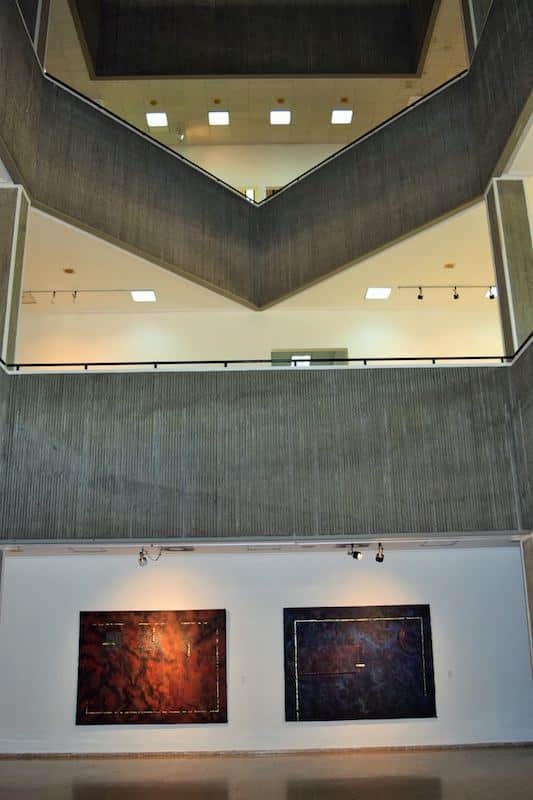 FACEBOOK Museo de Arte Moderno RD
Museo Bellapart
Museo Bellapart is a smaller and private space. It’s a wonderful preface to Dominican art as it also displays works by Celeste Woss y Gil, Yoryi Morel, Jaime Colson…and many more. It mostly showcases pieces from the mid-19th century to the 1960s. Although the museums is on the 5th floor of the Honda Building, upon arrival, it’s instantly evident that Museo Bellapart is a tasteful gallery gleamed by elegant lighting.
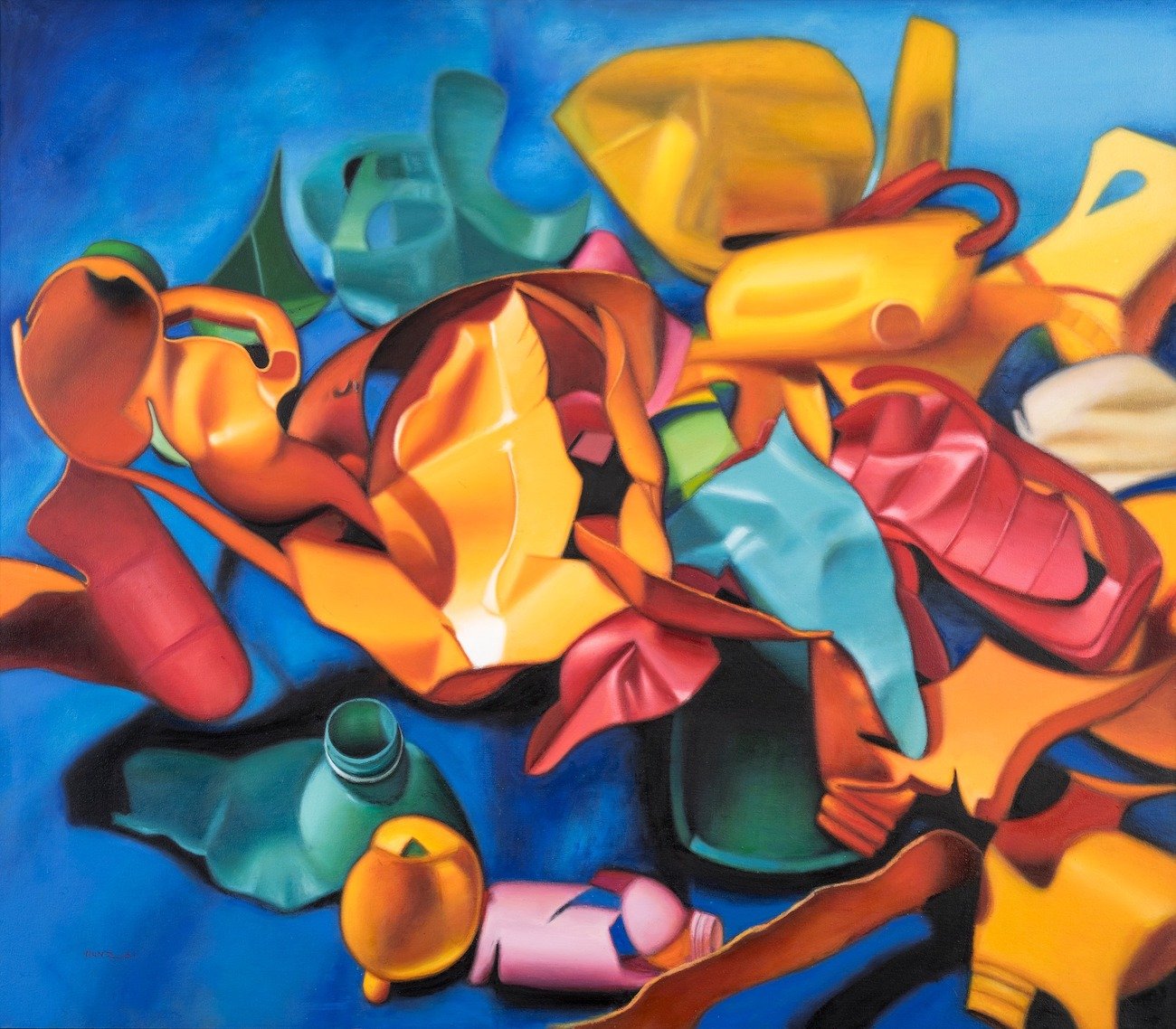 JUAN JOSÉ BELLAPART ART PRIZE. “At the beginning of October” by Rubén Gonza. Oil on canvas. FACEBOOK Museo Bellapart RD
Museum of the Dominican Man (Museo del Hombre Dominicano)
Another fascinating museum in Santo Domingo is the Museum of the Dominican Man (Museo del Hombre Dominicano) which focuses on pre-Colombian Taino artifacts, slavery, carnival and voodoo. Located in front of the U.S. Embassy, the museum contains the largest collection of Taino items in all of the Caribbean. There are also spaces dedicated to indigenous people from the 15th century (and before,) when local culture on the island and that of theEuropean settlers heavily conflicted.