
Casino gaming has long been intertwined with travel, architecture, and cultural identity.
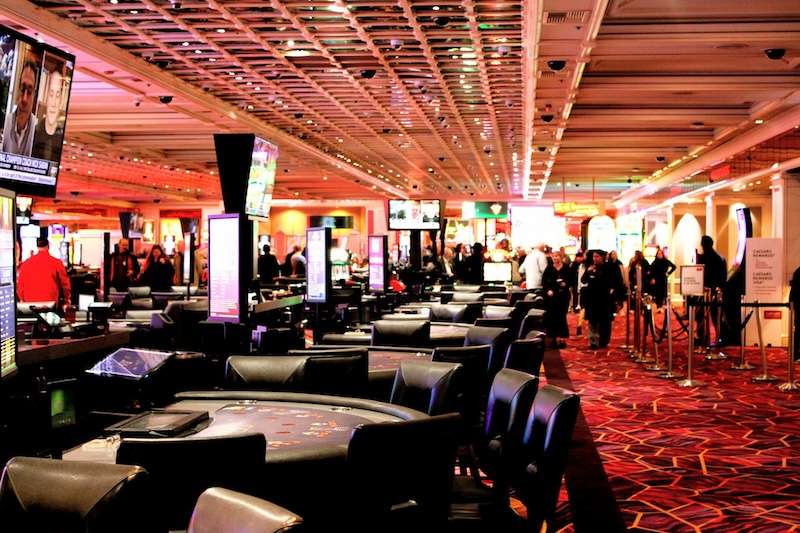 Photo by Tyson Milanovich on Unsplash
Around the world, certain destinations have become known not just for their landmarks or scenery, but for the role casino venues play in their broader entertainment offering. In 2026, casino focused travel continues to attract visitors who appreciate atmosphere, design, and the experience of exploring gaming environments in different cultural settings.
Las Vegas, United States
Las Vegas remains one of the most recognisable casino destinations in the world. The city’s casino venues are closely linked to large scale entertainment, hospitality, and architectural spectacle. Visitors often experience casinos as part of a broader itinerary that includes shows, dining, and themed resorts. Casino floors in Las Vegas are known for their size and variety, offering everything from traditional table layouts to modern digital games. The emphasis is on presentation, lighting, and immersive design, making the city a long-standing reference point for casino focused travel.
Monte Carlo, Monaco
Monte Carlo offers a contrasting casino experience, one rooted in heritage and architectural elegance. Casino venues in Monaco are often admired for their historic interiors, formal atmosphere, and association with European leisure culture. Visitors to Monte Carlo typically encounter casino gaming as part of a refined travel experience, surrounded by luxury hotels, waterfront views, and cultural landmarks. The setting highlights how casino environments can reflect regional identity and design traditions.
Macau, China
Macau has developed into a major global hub for casino tourism, blending modern architecture with cultural influences. Large integrated resorts dominate the skyline, combining gaming spaces with hotels, retail areas, and performance venues. Casino gaming in Macau is often experienced within expansive, carefully designed interiors that prioritise visual impact and accessibility. The destination demonstrates how large scale casino developments can reshape tourism landscapes and attract international visitors.
London, United Kingdom
London’s casino scene is more understated, integrated into the city’s broader entertainment and hospitality offering. Casino venues are typically smaller and more discreet, reflecting the city’s regulatory framework and urban layout. Visitors often encounter casino gaming as part of an evening itinerary that includes dining, theatre, or cultural events. The emphasis is on convenience and location rather than spectacle, offering a distinctly different experience from destination-style casino resorts.
Singapore
Singapore has established itself as a modern casino destination through carefully designed integrated resorts. These venues combine gaming areas with hotels, convention centres, shopping complexes, and cultural attractions. Casino environments in Singapore are known for their contemporary design, clear layout, and emphasis on organisation. The destination illustrates how casino gaming can coexist with broader urban planning and tourism development.
Atlantic City, United States
Atlantic City offers a coastal casino experience that blends seaside travel with gaming venues. Casinos here are often located along the waterfront, creating a setting that combines leisure travel with indoor entertainment. Visitors may explore casinos alongside boardwalk attractions, dining venues, and seasonal events. The destination highlights how casino gaming can be integrated into regional tourism rather than dominating it.
Online and Travel Inspiration
While travel remains central to the casino experience, digital platforms increasingly influence how people discover and engage with casino gaming. Many travellers research destinations by exploring online versions of games before visiting physical venues. Themed digital slot games online such as big bass bonanza demonstrate how online gaming environments can reflect creativity and design, inspiring interest in casino culture more broadly. These digital experiences often serve as an introduction to gaming themes rather than a substitute for travel.
Design and Atmosphere as Key Attractions
Across all destinations, the appeal of casino travel often lies in atmosphere rather than gameplay. Lighting, architecture, interior design, and spatial layout all contribute to how visitors experience casino venues. Some casinos emphasise grandeur and spectacle, while others focus on intimacy and elegance. Understanding these design differences helps travellers choose destinations that align with their personal interests, whether they prefer modern resort environments or historic, architecturally rich settings.
Planning a Casino Focused Trip
When planning travel centred around casino venues, many visitors consider factors such as location, accessibility, surrounding attractions, and cultural context. Casino gaming is often one element of a broader itinerary that includes sightseeing, dining, and entertainment. Approaching casino travel with an interest in place and presentation allows visitors to appreciate how gaming venues reflect the destinations they inhabit. In 2026, casino tourism continues to evolve, offering a wide range of experiences shaped by culture, design, and global travel trends.
